
Plants
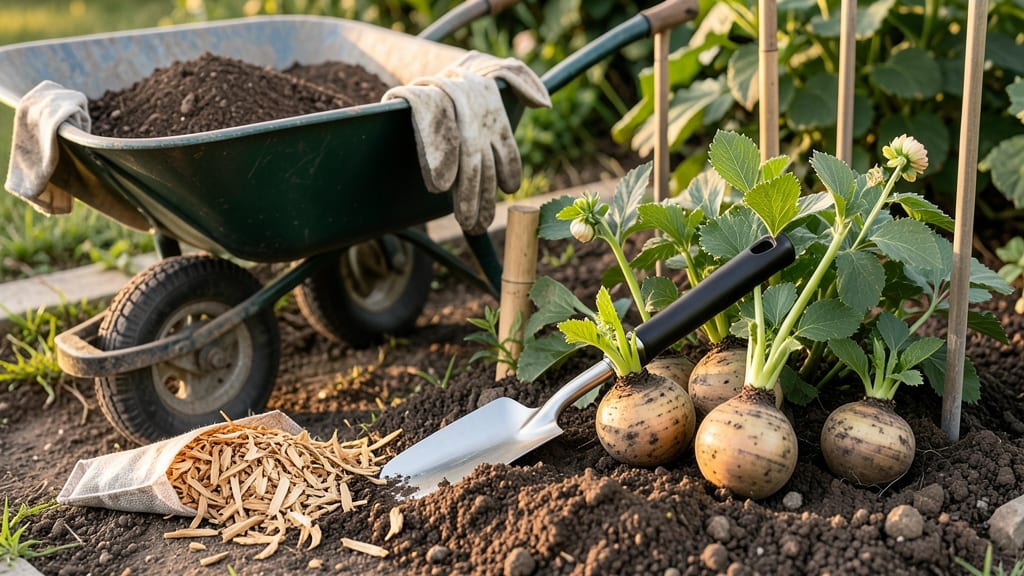
Timing your dahlias planting in Rhode Island can make the difference between a showstopping summer garden and frost-damaged tubers. With USDA Zone 6b’s unpredictable springs, getting those 🌸 tubers in the ground too early risks losing them to late frosts—while planting too late cuts your bloom season short.
Most gardeners in Rhode Island wait until after the average last frost date (April 15), but soil temperature matters just as much. Dahlias need 60°F+ soil to thrive, which often means holding off until mid-May in cooler microclimates.
I’ll break down the exact window and share my top strategies to maximize your blooms—no guesswork needed.
You’ll also discover how to prep your soil for zero frost damage, choose the hardiest varieties for Rhode Island’s short season, and protect your dahlias from early fall frosts.
Whether you’re a first-time planter or a seasoned gardener, these tips will help you grow dahlias that thrive from first leaf to last bloom.
Ready to transform your garden? Let’s dive into the perfect planting timeline and care routine so your dahlias put on a bold show all summer long.
Rhode Island’s exact dahlias planting timeline by USDA zone
Rhode Island’s USDA Zones 6b-7a demand precision when planting dahlias—timing can mean the difference between vibrant blooms and frost-killed tubers. The average last frost date hovers around April 15, but microclimates like Narragansett Bay can push this 1-2 weeks earlier than inland areas.
Always wait until soil temperatures hit 60°F+ for optimal root growth.
For container-grown dahlias, you can plant 2-3 weeks earlier than in-ground varieties, as pots warm faster. However, never rush planting—cold soil slows root development and increases frost heave risk. Use a soil thermometer to confirm readiness, especially in cooler coastal zones like Block Island.
Here’s your Rhode Island-specific planting timeline, broken down by zone and method to maximize your dahlias’ 180-day bloom window before the first frost (October 15):
If you’re starting dahlias from tubers indoors, begin 6-8 weeks before your target outdoor planting date.
Use seed-starting mix and keep tubers in bright, indirect light until shoots emerge. Transplant seedlings outdoors only after hardening them off for 7-10 days—this mimics Rhode Island’s chilly coastal breezes and prevents shock.
For direct-sown tubers, cut them into sections with at least one eye per piece and let the cuts callus for 1-2 days before planting. This speeds up root growth and compensates for Rhode Island’s short growing season.
Bury tubers 2–4 inches deep in loose, well-draining soil mixed with compost to boost fertility.
Don’t overlook late-season planting for short-day varieties like ‘Thomas Edison’ or ‘Karma Choc’. These can be planted as late as June 15 and still produce fall blooms before frost. Just protect them with row covers if temperatures dip below 50°F at night.
Pro Rhode Island gardeners swear by planting dahlias near tall perennials like sunflowers or hollyhocks. The taller neighbors shield dahlias from late spring frosts and strong coastal winds, while their deep roots help stabilize soil moisture during summer droughts.
This natural microclimate hack adds 2-3 extra weeks of bloom time.
Track your local frost dates using the National Oceanic and Atmospheric Administration (NOAA) or apps like Frost Date Calculator. Rhode Island’s unpredictable weather patterns mean a 10-day buffer between your target planting date and the average last frost is wise.
For example, if NOAA predicts April 20, wait until May 5 to plant in inland zones.
Once planted, mulch heavily with straw or shredded leaves to retain soil moisture and regulate temperature. In coastal areas, add a layer of pine needles to reduce salt spray damage from ocean breezes.
This simple step can double your dahlias’ survival rate in Rhode Island’s humid, variable climate.
Rhode Island’s exact dahlias planting timeline by USDA zone
Rhode Island’s USDA Zones 6b-7a mean your dahlias must wait for soil temperatures above 60°F—typically mid-April to mid-May. The average last frost date for most of the state is April 15, but coastal areas like Narragansett Bay may see frost-free conditions a week earlier.
Inland regions often lag by 5-7 days, so adjust accordingly.
For container planting, you can push the timeline slightly earlier (late March) since pots warm faster.
However, always harden off tubers for 7-10 days before planting to prevent shock. Black plastic mulch can help warm soil by 2-3°F, extending your planting window by 1-2 weeks if applied 2 weeks before planting.
Soil temperature is the critical factor—never plant when ground temps dip below 55°F, or your tubers risk frost heave (when they’re pushed out of the soil by freezing/thawing cycles). Use a soil thermometer to confirm readiness, especially in cooler microclimates like Westerly or Block Island.
| Zone & Location | Avg. Last Frost | Optimal Planting Window | Soil Temp Threshold | Pro Tip |
|---|---|---|---|---|
| Zone 6b (Providence, Woonsocket) | April 20 | May 1–15 | 60°F+ | Use row covers for early starts |
| Zone 7a (South County, Narragansett) | April 10 | April 25–May 5 | 58°F+ | Coastal winds delay frost—plant 1 week early |
| Containers (Statewide) | April 5 | April 15–April 30 | 55°F+ | Move pots to warmer spots at night |
| Microclimates (Block Island, Westerly) | May 1 | May 10–25 | 62°F+ | Wait for 3 consecutive warm days |
If you’re eager to start earlier, sprout tubers indoors in late March under grow lights.
Plant them out once soil warms, but be prepared to cover young plants if nighttime temps drop below 50°F. Early-blooming varieties like ‘Café au Lait’ (peach-colored blooms) tolerate cooler soils better than late-season types like ‘Galaxy’.
For extended blooming, time your planting to align with your first frost date (typically October 15). Dahlias need 90–120 days to mature, so aim to plant by mid-July at the latest for a second flush of blooms.
Use row covers or cloches to protect late-season flowers from early frosts.
Remember: Patience pays off. Rushing dahlias into cold soil guarantees poor root establishment and stunted growth. Mark your calendar for May 10 as the safest statewide average—then adjust based on your microclimate. Your summer garden drama starts with this one decision! 🌸