
Plants
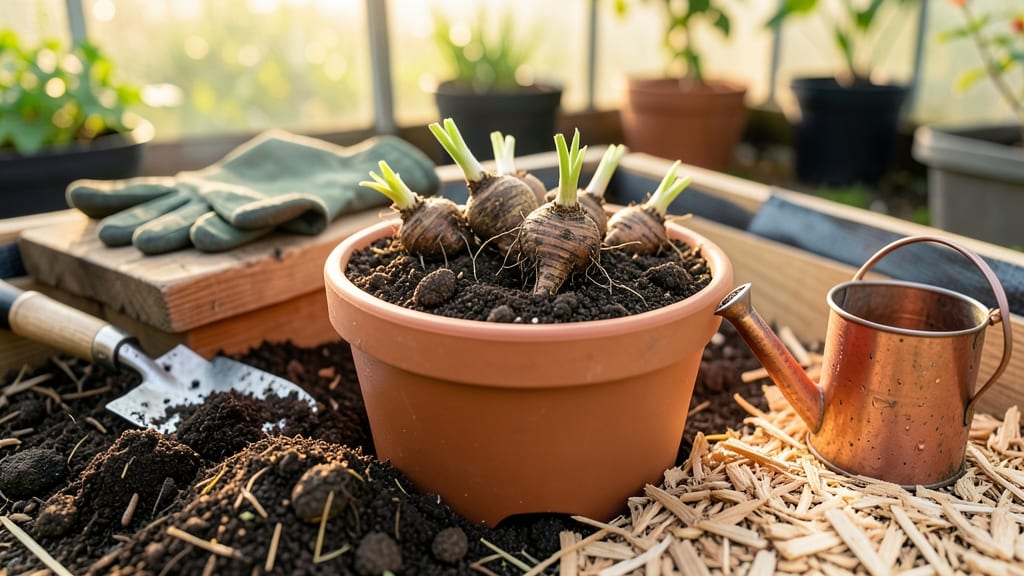
Timing your dahlia planting in Chicago isn’t just about avoiding frost—it’s about unlocking a summer of vibrant blooms that last until October.
With Zone 6a winters and unpredictable spring weather, getting those tubers in the ground at the right moment means the difference between a showstopping garden and a sad, wilted disappointment.
Most gardeners wait until Memorial Day to plant, but that’s often too late for dahlias—these heat-loving 🌼 need soil temperatures of at least 60°F to thrive. That means you’ve got a tighter window than you think, and missing it could cost you weeks of blooms.
The key? Start prepping tubers indoors 4-6 weeks before your target planting date, so you’re ready to go when the last frost finally passes.
Here’s the secret Chicago gardeners use to beat the clock: plant your dahlias as soon as the soil warms up, even if the air is still chilly.
With the right variety and a little extra care, you can stretch your blooming season well past Labor Day—just in time for fall festivals and photos. Let’s break down exactly how to time it right.
From chitting your tubers to choosing the fastest-growing varieties for our short season, I’ll walk you through every step to ensure your dahlias not only survive but thrive in Chicago’s unpredictable climate. No more guessing games—just a foolproof plan for stunning 🌼 all summer long.
Chicago’s last frost dates and soil temperature rules for dahlias
Chicago’s last average frost date hovers around April 15, but don’t let that fool you—urban areas like Downtown and Lincoln Park can experience late frosts until May 1.
Dahlias, being tender perennials, demand patience: plant too soon, and a surprise frost will kill your tubers. The real secret? Soil temperature, not air temperature.
Dahlias thrive when soil reaches a steady 60°F (15°C)—this usually happens 4-6 weeks after Chicago’s last frost. In USDA Zone 5b (like the city’s north side), this often lands in late May.
Meanwhile, Zone 6a suburbs (e.g., Naperville) may hit that mark by mid-May. Use a soil thermometer to confirm before planting.
Here’s the kicker: Chicago’s microclimates create chaos. South-facing gardens warm faster than north-facing ones. Lake-effect winds near Lake Michigan can delay soil warming by 1-2 weeks in areas like Evanston. Always adjust your timeline based on your specific spot.
Pro tip: Chitting (pre-sprouting) your dahlia tubers indoors 6-8 weeks before your target planting date gives them a head start. This hardens them off and ensures they’re ready to bloom faster once soil warms.
For fall planting (to overwinter tubers), aim for late August to early September—this gives dahlias time to establish roots before the first frost (usually October 15). But beware: Chicago’s early October can still surprise with 20°F nights, so protect young plants with row covers.
| Stage | Action | Chicago Timeline |
|---|---|---|
| Last Frost | Average: April 15 Urban areas: May 1 |
Wait 4-6 weeks |
| Soil Temp | 60°F (15°C) minimum | Late May (Zone 5b) Mid-May (Zone 6a) |
| Planting Window | After last frost + soil check | May 15–June 1 (high risk) |
| First Frost | Average: October 15 | Stop fertilizing by Sept 15 |
| Fall Planting | For overwintering tubers | Late August–Early Sept |
If you’re planting in containers, soil warms faster—often 1-2 weeks earlier than in-ground beds. Black pots absorb heat, so they’re ideal for Chicago’s shorter season. Just ensure your container has drainage holes to prevent rot.
For extended blooms, deadhead spent flowers weekly and fertilize with a 5-10-10 blend every 4-6 weeks until mid-August. Dahlias are heavy feeders, and Chicago’s nutrient-poor clay soil demands extra care—mix in compost at planting for a 30% boost in growth.
Remember: Dahlias are not perennials in Chicago—they die back in winter. To save your tubers, dig them up before the first frost, cut back foliage, and store them in dry peat moss at 35-40°F until spring. This resets their cycle for next year’s earlier blooms.
Chicago’s short growing season (just 165 frost-free days) means every day counts. Time your planting perfectly, and you’ll enjoy dahlia blooms from July to October—long after your neighbors’ gardens have faded.
Chicago’s last frost dates and soil temperature rules for dahlias
Chicago’s USDA Zone 5b/6a climate means dahlias must wait for soil temperatures of 60°F+ to thrive. The average last frost date hovers around April 15, but urban areas like Lincoln Park often see frost lingering until May 1 due to microclimates.
Rural spots like Wheaton may warm up faster, giving you a 2-week head start.
Dahlias are tender perennials—they die back to tubers in winter, so planting too soon risks frost damage. The 60°F soil rule isn’t just about air temperature; use a soil thermometer to confirm readiness. Chicago’s spring variability means checking weekly after April 1 is critical.
🌱 Key Takeaway: Wait until mid-to-late May in most of Chicago, but early May in warmer pockets like Bridgeport. Planting 4-6 weeks after last frost ensures tubers establish roots before summer heat arrives.
| Chicago Zone | Last Frost Avg. | Safe Planting Window | Soil Temp Check |
|---|---|---|---|
| Urban (5b) | May 1 | May 15–22 | 60°F+ (use thermometer) |
| Suburban (6a) | April 25 | May 1–10 | 60°F+ (warmer microclimates) |
| Rural (6a+) | April 15 | April 25–May 1 | 55°F+ (earlier risk) |
Even after soil warms, nighttime temps below 50°F can stunt growth. Use row covers or black plastic mulch to insulate tubers if late frosts hit. Chicago’s first frost in fall (around October 15) signals it’s time to dig up tubers before they freeze.
Pro tip: Chit tubers indoors 4–6 weeks before planting. Place them in trays with eyes facing up in a 60°F environment to jumpstart sprouts. This 2-inch growth gives dahlias a 2-week advantage over unchitted tubers.
For container gardening, plant tubers in pots by May 10—containers warm faster but dry out quicker. Use self-watering pots to prevent stress. Black pots absorb heat better than white, helping maintain 60°F+ soil.
Remember: Dahlias hate soggy soil. Amend beds with compost and perlite to improve drainage—a must in Chicago’s clay-heavy soil. Mulch heavily (3–4 inches) to lock in moisture and regulate temperature.