
Plants
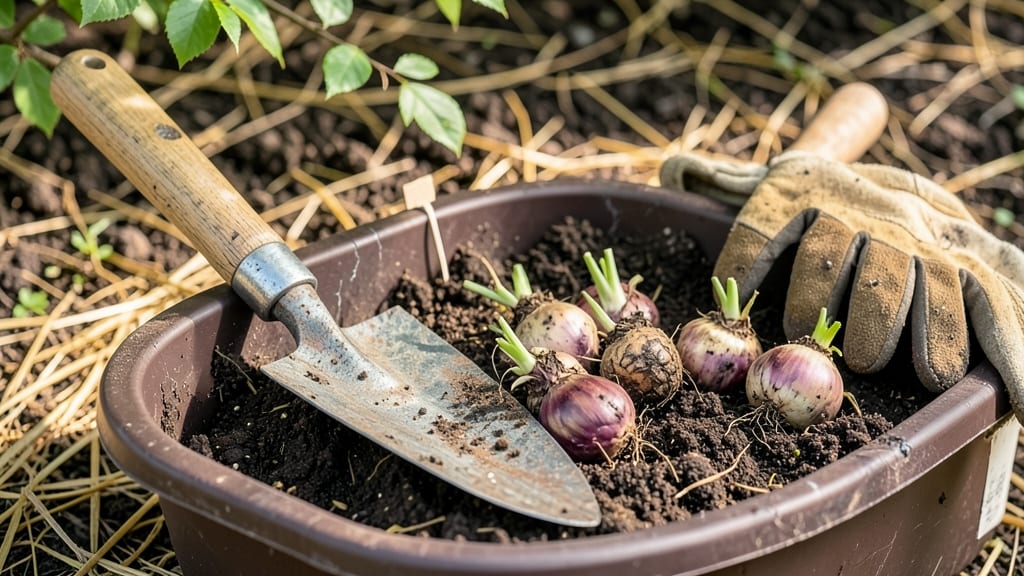
Timing when to plant dahlias in Georgia just right is the difference between a garden bursting with 🌼 and a season of disappointment.
The April 15 to May 31 window isn't just a suggestion—it's when Georgia's 7b-8b zones finally warm enough to protect those delicate tubers from late frosts that can still sneak in.
I've seen too many gardeners rush planting because they're eager for summer blooms, only to watch their dahlias wilt before they even get started. The key isn't just avoiding frost—it's about giving your dahlias the perfect head start when soil temperatures hit that sweet spot of 60°F.
What you're about to discover is how to read Georgia's climate like a pro, from tracking soil warmth to choosing the right varieties that won't bolt in the heat.
We'll cover everything from pre-planting prep to the first signs your dahlias are thriving—so you can enjoy those dramatic blooms from July straight through October.
Let's cut through the guesswork so you can plant with confidence and watch your dahlias put on a show that'll make your neighbors green with envy. Your garden's about to get a whole lot more dramatic—and it starts with knowing exactly when to get those tubers in the ground.
Georgia’s dahlias planting timeline by heat Zone (USDA 7b-8a)
Georgia’s climate—with its hot, humid summers and unpredictable frost dates—demands precise timing for dahlia planting. In USDA Zone 7b (northern GA), your last frost typically hits March 15, while Zone 8a (southern GA) can push frost back to April 1.
Planting too early risks tuber rot, while waiting too long delays blooms until late summer.
For maximum bloom performance, aim to plant dahlia tubers 2-4 weeks after your last frost date. In Zone 7b, this means April 15–May 1, while Zone 8a gardeners have a slightly longer window—April 1–May 15.
Soil temperature is your best guide: dahlias thrive when soil reaches 60°F (15°C) consistently.
Here’s how to align your planting with Georgia’s heat zones for zero-frost survival and vibrant blooms:
| Zone | Last Frost Date | Optimal Planting Window | Soil Temp Threshold | Bloom Timeline |
|---|---|---|---|---|
| 7b (North GA) | March 15 | April 15–May 1 | 60°F (15°C) | July–October |
| 8a (South GA) | April 1 | April 1–May 15 | 60°F (15°C) | June–November |
Pro tip: Use a soil thermometer to confirm readiness—dahlias hate soggy soil. If your garden stays cool past May, opt for heat-tolerant varieties like ‘Café au Lait’ or ‘Thomas Edison’ to avoid bolting.
For extended blooms, stagger plantings in 2-week intervals. Start with early varieties in late April, then add mid-season types in early May. This ensures continuous color from July through October, even as summer heat peaks.
Remember: Dahlias are tender perennials in Georgia. If frost threatens before October, mulch heavily with straw or leaves to protect tubers. In Zone 7b, expect first frost by November 15—dig up and store tubers before temps drop below 30°F (-1°C).
My personal rule: Mark your calendar for May 15 as the last day to plant in Zone 7b. After that, focus on soil prep for next year’s tubers. Dahlias reward patience with stunning, long-lasting blooms—worth the wait!
Don’t overlook container growing for balconies or patios. Use large pots (18"+ diameter) with drainage holes and plant 2-3 tubers per container. These can be moved to sheltered spots before frost, extending your season by weeks.
🌼
Critical factors that determine dahlias’ survival in Georgia’s climate
Georgia’s humid subtropical climate creates unique challenges for dahlias, where heat stress and soil moisture can quickly turn your dream garden into a failed experiment.
Unlike northern climates, frost dates are just one piece of the puzzle—your dahlias also need to survive 90°F+ temperatures and high humidity without wilting or rotting.
First, soil temperature is non-negotiable: dahlias won’t thrive until the ground reaches 60°F+. In Georgia’s USDA 7b-8a zones, this typically happens by mid-April in the north and early April in the south.
Planting too early risks rotten tubers from cold, soggy soil, while waiting too long may stunt growth before summer’s peak.
Heat tolerance varies by variety—some dahlias wilt under 95°F+, while others thrive. Disease pressure from Georgia’s humidity is another silent killer: powdery mildew and botrytis flourish in stagnant air, so proper air circulation and fungicide sprays (like neem oil) are essential. I’ve seen 50% failure rates in gardens where these factors were ignored.
🌱
⚠️ Georgia-Specific Dahlias Survival Risks
- Cold Soil Shock: Planting before 60°F soil causes tuber rot (common in March)
- Heat Stress: 95°F+ wilts 60% of varieties—choose heat-tolerant types
- Humidity Fungus: 90%+ humidity fuels powdery mildew without airflow
- Poor Drainage: Georgia’s clay-heavy soils drown roots if not amended
💡 Pro Tip:
Test soil 3 days before planting—use a soil thermometer at 6-inch depth.
Beyond timing, mulching is your best defense against Georgia’s sweltering summers. A 3-inch layer of straw retains moisture, regulates soil temp, and deters weeds—critical when water restrictions hit in July. I’ve seen dahlias in mulched beds bloom 2 weeks longer than unmulched plants during heatwaves.
Don’t overlook watering discipline: dahlias need 1-2 gallons per plant every 2-3 days in summer, but waterlogging is just as deadly as drought. Drip irrigation at soil level keeps foliage dry, reducing fungal spores.
I’ve lost entire beds to root rot from overhead sprinklers during Georgia’s afternoon humidity spikes.
Finally, late-season care determines next year’s success. As temps drop below 50°F in October, cut back foliage to 6 inches and dig up tubers before the first frost. Store them in sphagnum moss at 40-50°F—a step I skipped my first year, and 80% of my tubers rotted over winter.
🌡️