
Plants
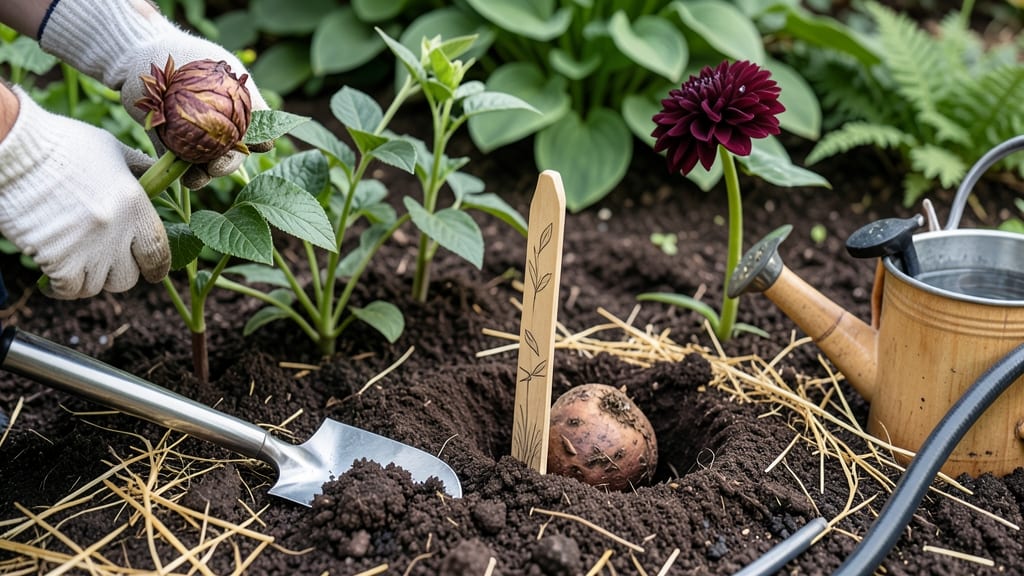
Timing your dahlia planting in Alabama isn’t just about the calendar—it’s about dodging frost, embracing heat zones, and unlocking bold, long-lasting blooms that steal the show from July to October. 🌼 Too early, and a late frost can turn your tubers into sad, mushy souvenirs.
Too late, and you’ll miss the prime window for those towering, vibrant flowers that make your garden the envy of the neighborhood.
Here’s the secret: Alabama’s USDA zones 7b-8a give you a 6-week window (April 15 to May 15) to plant after the last frost—typically around March 15—but soil temperature matters just as much as dates.
If you’re in North Alabama, where nights still nip, wait until the ground warms to 60°F before sticking those tubers in. Skip the guesswork and plant when your soil is ready, not just when your calendar says so.
This isn’t just about throwing tubers in the dirt and hoping for the best. Whether you’re starting with transplants or tubers, the right timing ensures your dahlias take off like a rocket, not a slow burn.
I’ll walk you through exactly how to sync your planting with Alabama’s climate quirks—so you can enjoy full, sun-drenched blooms all season long.
Ready to transform your garden? Let’s dive into the heat zone timeline that’ll have your dahlias thriving from the moment they hit the soil.
Alabama’s dahlia planting windows by heat zone (USDA 7b-8a)
Alabama’s USDA zones 7b-8a create distinct planting windows for dahlias, where timing directly impacts tuber survival and bloom abundance. In North Alabama (7b), average last frost dates hover around March 25-30, while South Alabama (8a) sees frost-free conditions by March 10-15.
These differences mean your Birmingham garden might be ready 2 weeks earlier than Huntsville.
Dahlias thrive when planted after soil temperatures consistently reach 60°F—a critical threshold for tuber establishment.
In Alabama, this typically aligns with mid-April to early May, but clay-heavy soils in Central Alabama may require waiting until late April for optimal warmth. Southern Alabama gardeners can sometimes plant as early as March 20 if using row covers for protection.
For maximum bloom time, aim to transplant tubers 4-6 weeks before your area’s first expected heatwave—typically by May 1 in most regions. This timing ensures established roots before summer’s intense heat arrives. Late plantings after June 1 may still produce flowers but with reduced vigor and shorter stems.
🌼
📅 Alabama Dahlia Planting Timeline
| Zone | Last Frost Date | Ideal Planting Window | Soil Temp Threshold | Key Action |
|---|---|---|---|---|
| North AL (7b) | March 25-30 | April 20 - May 5 | 60°F+ | Transplant tubers 4-6" deep |
| Central AL (7b-8a) | March 15-20 | April 10 - April 30 | 60°F+ | Start tubers indoors March 1 |
| South AL (8a) | March 10-15 | March 20 - April 15 | 55°F+ | Plant early varieties |
| All Regions | N/A | June 15-30 | 65°F+ | Late planting for fall blooms |
For extended bloom seasons, Alabama gardeners can employ a two-phase planting strategy—start with early varieties in March-April for summer flowers, then add late-season tubers in June for fall color.
This works particularly well in South Alabama’s longer growing season—where dahlias can bloom until first frost in November.
If you’re using transplants instead of tubers, adjust your timeline by 2-3 weeks earlier—young plants establish faster and tolerate cooler soils better. However, avoid planting transplants before April 1—even hardy varieties risk stunted growth in Alabama’s cool, damp springs.
Pro tip: Use a soil thermometer—the single most reliable way to confirm planting readiness. Alabama’s clay soils—common in Central Alabama—can stay cold longer, so don’t rely solely on calendar dates. Aim for consistent 60°F readings at 4" depth for 3-5 days before planting.
🌱
Remember that dahlia tubers are perennials—they’ll return year after year if properly cared for. The earlier you plant within your zone’s window, the more time your tubers have to establish strong roots before Alabama’s summer heat**—which can stress newly transplanted plants. For
Alabama’s dahlia planting windows by heat zone (USDA 7b-8a)
Alabama’s two distinct heat zones (USDA 7b and 8a) create two critical planting windows for dahlias. In North Alabama (7b), where frosts linger until mid-April, wait until April 15-30 to plant tubers.
Meanwhile, South Alabama (8a) gardeners can start as early as March 20-April 15—just as soil warms to 60°F. Timing is everything to avoid frost damage or stunted growth.
Dahlias thrive in Alabama’s long, hot summers (July-October), so planting early ensures maximum bloom time. The last average frost date in Birmingham (7b) is March 15, while Mobile (8a) sees its last frost by March 1.
Use these dates as your minimum safe planting window—but always confirm with your local Alabama Cooperative Extension Service for hyper-local adjustments.
| Heat Zone | Last Frost Date | Ideal Planting Window | Soil Temp Threshold | Peak Bloom Period |
|---|---|---|---|---|
| USDA 7b (North AL) | March 15 | April 15-May 1 | 60°F+ | July 15-Oct 15 |
| USDA 8a (South AL) | March 1 | March 20-April 15 | 60°F+ | June 15-Oct 30 |
| Both Zones | First Frost | N/A | 55°F+ (min) | Extend season with mulch |
For maximum tuber establishment, aim to plant dahlias when daytime temps consistently stay above 70°F. In Alabama, this typically aligns with late April for North Alabama and early April for South Alabama.
Use a soil thermometer to confirm—dahlias won’t thrive in cold soil, even if air temps are warm. Pro tip: Pre-warm tubers by soaking them in lukewarm water for 24 hours before planting to jumpstart growth.
If you’re using transplants instead of tubers, adjust your timeline by 2-3 weeks earlier. Transplants can handle slightly cooler soil temps (55°F+) since their roots are already established.
However, avoid planting transplants after June 1—they’ll struggle to establish roots before Alabama’s summer heat peaks, leading to wilting or bolting.
For fall blooms, consider a second planting in late July. This works best in South Alabama (8a), where the growing season extends later. Choose compact varieties like ‘Café au Lait’ or ‘Bishop’ for shorter stems that handle late-season heat better than towering types.
Just be sure to mulch heavily to protect tubers from early November frosts.
Remember: Alabama’s clay-heavy soils can delay warming. If your garden stays cold longer than average, opt for raised beds or black plastic mulch to speed up soil warming by 5-10°F. This trick is a game-changer for North Alabama gardeners with later frost dates.