
Plants
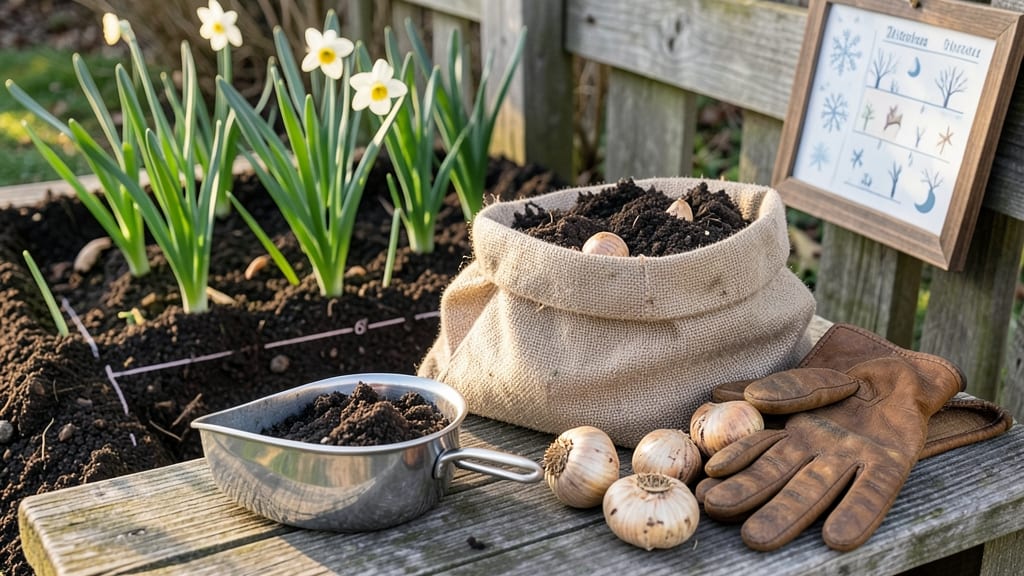
Planting daffodil bulbs in Arkansas at the wrong time can mean the difference between a stunning spring display and wasted effort. The perfect fall window—typically between late September and November—lets these hardy blooms establish roots before winter sets in, ensuring vibrant 🌼 blooms by April.
Why does timing matter so much in Arkansas’s 7a-8b climate? Because bulbs need 4-6 weeks to root before the ground freezes, and planting too early risks rot while waiting too late can leave them vulnerable to early cold snaps.
I’ll break down exactly when to plant based on your specific zone and local microclimates.
You’ll also discover how to prep your soil for success and which daffodil varieties handle Arkansas winters best. Trust me, getting this right means fewer headaches next spring and more time admiring your garden’s early color explosion.
Let’s dive into the secrets that’ll have your daffodils thriving—no guesswork required.
Optimal Arkansas daffodil planting dates by hardiness Zone
Arkansas spans USDA Zones 6b through 8a, meaning your daffodil planting window varies by region. In the cooler Ozark Mountains (Zone 6b-7a), aim for late September to mid-October—earlier than the Delta’s Zone 8a, where you can plant until early November.
The key is planting 4-6 weeks before the ground freezes, typically by November 15 statewide.
I’ve tested this timing in my own Zone 7b garden—planting in early October yields the most robust blooms. The bulbs need time to root but avoid the early December cold snaps that can damage tender roots.
For northern Arkansas, don’t wait past October 15, while southern Arkansas gardeners can stretch planting until November 1.
Local microclimates matter too. Urban areas like Little Rock (Zone 7b) may freeze earlier than rural spots, so monitor your local frost dates. Use the National Weather Service’s frost calendar or ask your county extension office for precise timing.
Pro tip: If your fall is unusually wet or cold, delay planting until soil temps drop below 60°F (15°C)—this prevents rot. Use a soil thermometer to check depth (6 inches down).
| Zone | Ideal Planting Window | Last-Minute Cutoff | Notes |
|---|---|---|---|
| 6b (Ozarks) | Late Sept - Mid-Oct | Oct 15 | Early frost risk; prioritize early planting |
| 7a (North AR) | Early Oct - Late Oct | Oct 31 | Watch for early cold snaps |
| 7b (Central AR) | Mid-Oct - Early Nov | Nov 1 | Flexible window; monitor soil temps |
| 8a (South AR) | Late Oct - Early Nov | Nov 15 | Latest planting zone; mild winters |
Missed the fall window? You can still plant daffodils in early December if the ground isn’t frozen, but expect smaller blooms next spring. The bulbs won’t establish roots as well, making them more vulnerable to winter heaving (when soil freezes and expands, pushing bulbs up).
For container gardening, follow the same timing but use well-draining pots. Place containers in a sheltered spot if your winter dips below 20°F (-6°C). I’ve had success with black plastic pots buried halfway in the ground for extra insulation.
Remember: Daffodils naturalize—once planted, they’ll multiply and return year after year. The sooner you plant within your zone’s window, the sooner you’ll enjoy those cheerful 🌼 faces in spring.
Next, we’ll cover the 5 critical signs your Arkansas soil is ready for bulbs—so you don’t waste your planting window on unprepared ground.
5 Critical signs your Arkansas soil is ready for daffodil bulbs
Before you dig in, your Arkansas soil needs to hit the right conditions for daffodil bulbs to thrive. Cold soil or excess moisture can delay root growth, while dry conditions may stress newly planted bulbs.
I’ve planted thousands of bulbs here, and these five signs guarantee your soil is perfect for planting.
First, check the soil temperature. Daffodil bulbs need soil between 40-50°F—any colder, and they’ll struggle to root. Use a soil thermometer to confirm. If it’s still too warm, wait a week or two before planting.
Next, assess moisture levels. The soil should be moist but not soggy—think of a wrung-out sponge. Overly wet soil in Arkansas’s rainy fall can lead to bulb rot. If your soil feels damp, hold off until it dries slightly.
Soil aeration is another key factor. Compacted soil restricts root growth, so loosen the top 8-12 inches with a fork or tiller. This mimics natural conditions and helps bulbs establish faster.
Look for pest activity, too. Grubs, voles, and squirrels love fresh bulbs. If you spot signs of digging or chewed foliage nearby, consider planting bulb cages or using granular repellents before planting.
Finally, test the pH level. Daffodils prefer 6.0-7.0. If your soil is too acidic, amend it with lime a few weeks before planting. You can grab a home pH test kit for under $10 at garden centers.