
Plants
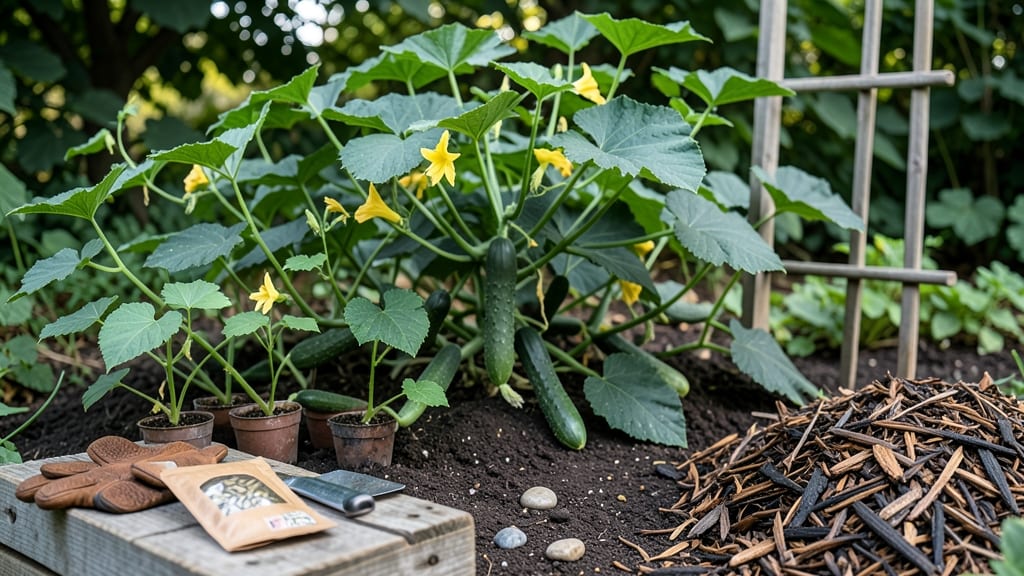
Timing your 🥒 cucumber planting in New Hampshire isn’t just about waiting for spring—it’s about dodging frost while giving your plants the warm soil they crave. Skip the guesswork, and you’ll miss out on a harvest that stretches from July to September, packed with crisp, homegrown veggies.
Most gardeners in zones 5a-6b wait until late May or early June, but soil temperature matters more than the calendar. Plant too soon, and your cucumbers will wilt before they even sprout. The key? Wait until the ground hits 60°F—that’s when these heat-loving plants finally feel at home.
You’ve got options: direct-sow seeds after the last frost or start transplants indoors 3-4 weeks earlier. Either way, row covers can buy you an extra 2-3 weeks of growing time if summer arrives late. Let’s break down exactly when to plant for your specific corner of NH.
From extending your season with black plastic mulch to picking the right cucumber varieties for your zone, I’ll show you how to turn New Hampshire’s short summer into a high-yield cucumber goldmine—no matter how unpredictable the weather gets.
New Hampshire cucumber planting dates by USDA hardiness Zone (with frost-date guide)
New Hampshire spans USDA Zones 4a-6b, meaning frost dates vary dramatically from the cooler north to the warmer southern valleys. For cucumbers, which thrive in warmth, timing your planting based on your specific zone is critical.
Most of the state sees its last spring frost between May 10-20, but soil temperatures need to reach at least 60°F before planting—often 2-3 weeks after the final frost.
In Zone 4a (northern NH), gardeners should wait until late May or early June to plant cucumbers outdoors. Meanwhile, Zone 6b gardeners in southern NH can start as early as mid-May.
The key is balancing frost risk with soil warmth—cucumbers won’t germinate in cold soil, and transplants will struggle until temperatures stabilize.
Here’s how to align your planting with NH’s microclimates. Northern valleys like Coos County often experience frost 2 weeks later than southern areas like Rockingham County.
If you’re unsure, use row covers or black plastic mulch to warm the soil faster and extend your planting window by 1-2 weeks.
For direct sowing (planting seeds outdoors), aim for 2-3 weeks after your last frost date. If you’re starting seeds indoors, begin them 3-4 weeks before your target outdoor planting date.
This gives seedlings a head start in NH’s short growing season, which typically runs from late May to mid-October.
Here’s a quick zone-by-zone breakdown to help you decide when to plant cucumbers in NH:
| USDA Zone | Last Frost Date | Optimal Planting Window | Soil Temp Requirement | Notes |
|---|---|---|---|---|
| 4a (Northern NH) | May 15-25 | Late May to early June | 60°F+ (use mulch) | Shortest season; prioritize early varieties. |
| 5a (Central NH) | May 10-20 | Mid-May to late May | 60°F+ (test with thermometer) | Balanced zone; good for most varieties. |
| 5b (Southern NH) | May 5-15 | Early to mid-May | 55°F+ (sooner with mulch) | Longer season; try late varieties. |
| 6a-6b (Southwest NH) | April 25-May 10 | Late April to early May | 55°F+ (earliest in state) | Warmest zone; can plant earliest. |
If you’re starting seeds indoors, begin them 4-6 weeks before your target outdoor planting date. For example, Zone 4a gardeners should start seeds by early April, while Zone 6b gardeners can begin as late as mid-April.
Use grow lights to provide 12-14 hours of light daily until seedlings are ready to transplant.
For direct sowing, wait until the soil is at least 60°F and all frost risk has passed. In NH, this often means planting after Memorial Day, but always check a local frost calendar for your specific area.
A simple soil thermometer (available for $10-$15) can save you from planting too early.
Pro tip: Black plastic mulch can raise soil temperatures by 5-10°F, allowing you to plant 1-2 weeks earlier in cooler zones. Simply lay the mulch 1-2 weeks before planting to warm the soil. This is especially useful in Zone 4a, where the growing season is short.
Remember, cucumbers are heat-loving plants that won’t tolerate frost. Even a light frost can kill young plants, so always have a backup plan like row covers if late frosts are forecasted.
With the right timing, you can enjoy a bountiful harvest from July to September—no matter which zone you’re in.
5 Critical factors that determine the best planting time for cucumbers in NH
New Hampshire’s cool springs and short growing season demand more than just checking frost dates—soil warmth, microclimates, and even your garden setup can shift the ideal planting window by weeks. Let’s break down the 5 game-changers that separate a thriving cucumber patch from a failed experiment.
First, soil temperature is non-negotiable. Cucumbers refuse to germinate below 55°F, and even at 60°F, growth stalls. Use a soil thermometer—70°F+ is ideal for direct sowing.
In NH’s Zone 5a-6b, this often means waiting until late May or early June, even if frost risk drops earlier.
Minimum: 55°F (barely tolerates)
Optimal: 60-70°F (fast germination)
NH Reality: Wait until late May for most zones
Next, microclimates can create a 2-week difference in your garden. South-facing slopes warm faster than north-facing beds, while valleys hold cold air longer. If your yard sits in a frost pocket, opt for late-maturing varieties or use row covers to push harvests into August.
Container gardeners face unique challenges too. Pots heat up faster than soil but dry out quicker. Start seeds in containers 2 weeks earlier than in-ground plants, and use black plastic pots to absorb sunlight and warm the roots.
Just ensure pots are at least 12 inches deep—shallow roots mean stunted vines.
Don’t overlook row covers and cold frames, your secret weapons for NH’s unpredictable springs. Laying down floating row covers after planting can add 2-3°F of warmth, letting you sow 2 weeks earlier.
Remove covers when flowers appear to prevent heat stress—but keep them handy for late-season frosts in September.
Finally, common mistakes like planting too early or crowding vines can delay harvests by 3-4 weeks. Space cucumbers 2 feet apart (or 1 foot for bush types) and avoid planting near potatoes or squash—shared diseases like powdery mildew thrive in crowded beds.
Master these factors, and you’ll turn NH’s short season into a high-yield cucumber bonanza—no matter where you live in the state. 🥒