
Plants
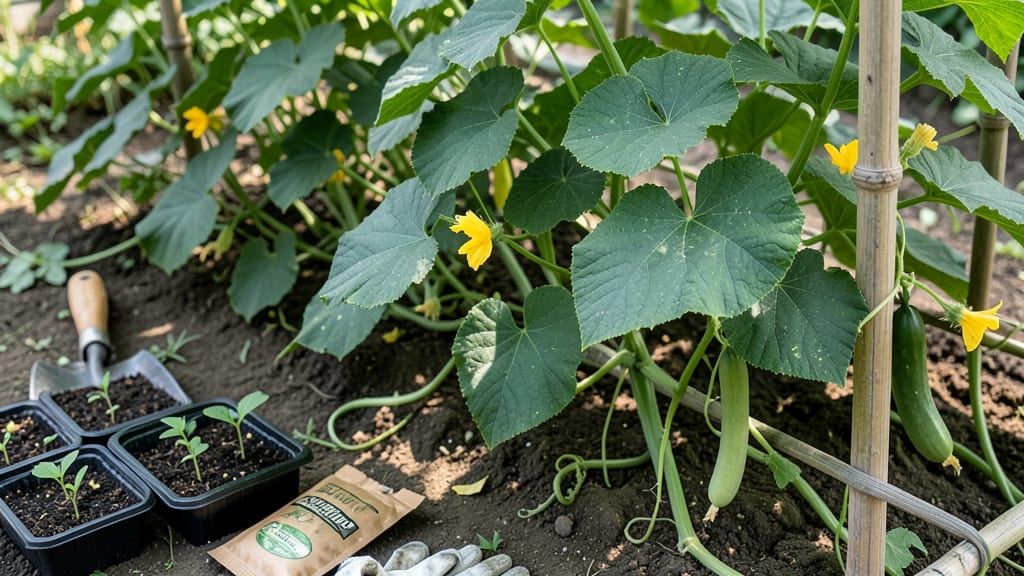
Timing cucumber 🥒 planting in Maine isn’t just about avoiding frost—it’s about catching the perfect window between coastal breezes and inland heat waves that can shift your harvest by weeks.
If you plant too early, a late frost will nip your seedlings in the bud; too late, and you’ll miss the summer rush when homegrown cucumbers taste their sweetest.
Maine’s 5b-6b zones mean your coastal neighbors in Portland might be harvesting by late June while inland gardeners in Bangor are still waiting for soil to warm. The key? Tracking last frost dates (usually mid-May) and soil temperatures—60°F or higher—before sticking those seeds in the ground.
I’ve seen gardeners rush planting because they’re eager, only to watch their vines struggle in chilly soil. Or worse, they wait until June, assuming “it’s safe,” and end up with bitter, underdeveloped fruit.
The solution? A two-step approach: monitor local forecasts and adjust for your microclimate, whether you’re near the ocean or tucked in the hills.
In this guide, I’ll break down exactly when to plant—down to the week—for both coastal and inland Maine, plus pro tips to stretch your growing season. No more guesswork, just crisp, homegrown 🥒 success from July through September.
Maine’s frost-free dates for cucumber planting by region (coastal vs inland)
Maine’s coastal and inland regions experience last frost dates that can differ by 2-3 weeks, making timing critical for cucumber success. Coastal areas like Portland and Bar Harbor typically see frost-free conditions by mid-to-late May, while inland zones like Augusta and Bangor often wait until early June.
Always verify with local USDA Plant Hardiness Zone maps (Maine falls in 5b-6b) for precision.
Cucumbers thrive when soil temperatures reach at least 60°F, a threshold coastal areas hit 1-2 weeks earlier than inland spots due to moderating ocean breezes.
Inland gardeners should use black plastic mulch or row covers to accelerate soil warming. For both regions, wait until nighttime temperatures consistently stay above 50°F before planting.
Here’s how to align your planting with Maine’s microclimates—coastal vs inland—using last frost averages and soil temperature benchmarks:
| Region | Last Frost Date | Soil Temp (60°F+) | Optimal Planting Window | Harvest Window |
|---|---|---|---|---|
| Coastal (Portland, Bar Harbor) | Mid-to-late May | Early-to-mid May | Late May (after May 15) | July–early September |
| Inland (Augusta, Bangor) | Early June | Late May | Early June (after June 1) | Late July–October |
For coastal Maine, aim to plant cucumbers by late May to maximize your harvest window (July–early September). Use heat-tolerant varieties like ‘Straight Eight’ or ‘Marketmore’ to handle cooler coastal summers.
Inland gardeners should plant by early June and choose varieties that mature quickly, such as ‘Bush Champion’ or ‘Suyo Long.’
Soil temperature is just as critical as air temperature. Use a soil thermometer to confirm 60°F+ before planting. Coastal soils warm faster due to ocean influence, while inland areas may need black plastic mulch or row covers to reach the ideal temperature.
If your soil is still cold by the recommended planting window, opt for container growing to control soil warmth.
Maine’s first frost typically arrives in mid-October, but cucumbers need 90-100 days to mature. Plant heat-loving varieties early in coastal zones and fast-maturing types in inland areas to ensure a harvest before frost. Succession planting—sowing seeds every 2 weeks—can stretch your harvest into early fall.
Check local Maine Agricultural Extension resources or community garden groups for real-time updates on frost dates. In 2023, coastal Maine saw frost as late as June 5, while inland areas experienced late frosts until June 12.
Always have a backup plan, like row covers, to protect young plants if late frosts strike.
Pro tip: Start seeds indoors 4-6 weeks before your region’s last frost date. Transplant seedlings outdoors once soil is warm and all frost risk has passed. This head start gives cucumbers a 2-week advantage over direct-sown seeds, especially in inland Maine where springs are cooler.
Remember, coastal vs inland differences aren’t just about frost—they also affect humidity levels and wind exposure. Coastal cucumbers may need staking or trellising to handle salty ocean breezes, while inland plants benefit from mulching to retain moisture in drier conditions.
Adjust your approach based on your specific Maine microclimate.
By aligning your planting with these regional benchmarks, you’ll avoid the two biggest mistakes: planting too early and risking frost damage, or waiting too long and missing the optimal harvest window.
Cucumbers are fast growers—get them in the ground at the right time, and you’ll enjoy fresh, homegrown cukes all summer long! 🥒
Maine’s frost-free dates for cucumber planting by region (coastal vs inland)
Maine’s coastal and inland zones experience last frost dates that can differ by 2-3 weeks, making timing everything for cucumber success.
Coastal areas like Portland and Bar Harbor typically see their final frost around May 15, while inland spots like Augusta and Bangor often wait until May 22-28.
This shift means your coastal neighbors might plant by late April (under row covers), while inland gardeners should hold off until early May.
But frost dates aren’t the whole story—soil temperature is critical. Cucumbers need soil at 60°F or warmer to germinate properly. In coastal Maine, soil may hit this mark by late May, while inland areas often need to wait until early June.
Use a soil thermometer to confirm before planting; cold soil slows growth and invites disease.
For coastal gardeners, I recommend starting seeds indoors in early April and transplanting after May 10. Use row covers if nights dip below 50°F. Inland gardeners should wait until after Memorial Day to plant outdoors, as soil warms more slowly.
Pro tip: Test your soil’s pH (6.0-6.8) and amend with compost—cucumbers thrive in fertile, well-draining soil.
If you’re unsure about your local frost dates, check the Maine Climate Office or use the National Weather Service’s frost prediction maps.
I also recommend planting a test row of radishes in early May—they’ll tell you when soil is warm enough for cucumbers (they germinate at 40°F, while cucumbers need 60°F+).
Remember, succession planting can extend your harvest. After your first planting, add another batch 4-6 weeks later to keep cucumbers coming through September. Just be ready to harvest by late August before fall frosts arrive—typically around mid-October in most of Maine.
Timing your cucumber planting right means the difference between bountiful harvests and bitter disappointment. With these regional guidelines, you’ll be well on your way to growing crisp, homegrown cucumbers that put store-bought to shame. 🥒