
Plants
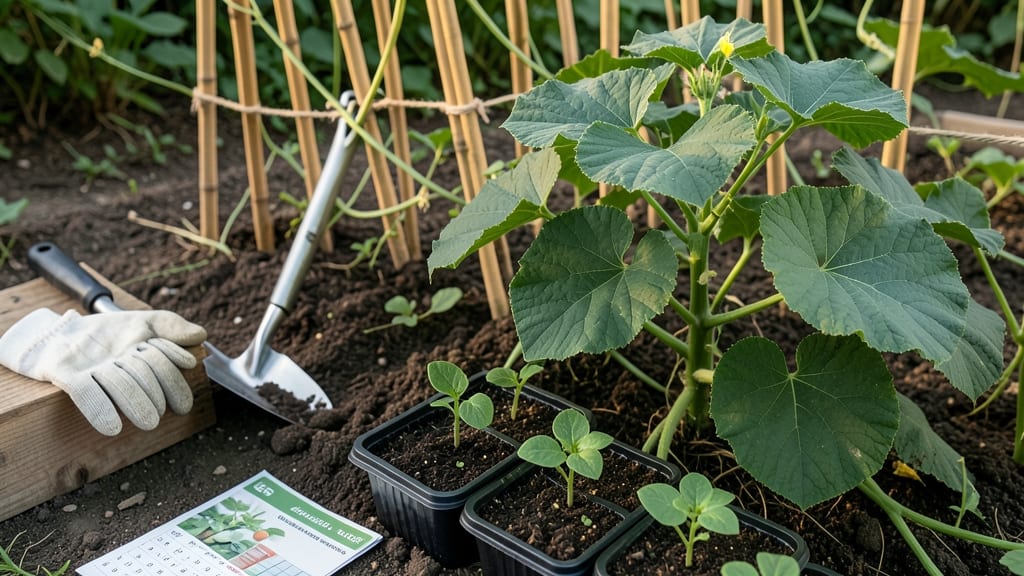
Planting cucumbers in Zone 6b at the wrong time can mean the difference between a garden overflowing with crisp 🥒 and sad, stunted vines. The key isn't just waiting until spring—it's understanding when your soil warms enough to support fast germination and how your local microclimate affects frost risks.
Most gardeners in Zone 6b know the general rule: wait until after the last frost, but that's not enough. You need soil temperatures consistently above 60°F—something that typically happens in late April or early May, depending on your specific location.
Skipping this step means slow starts, weak plants, and missed harvest windows.
I'll walk you through exactly when to plant in your area, which heat-tolerant varieties perform best, and how to prep your soil for maximum success. No more guessing—just actionable timing that matches your Zone 6b climate.
Ready to grow cucumbers that thrive from July through September? Let's get those seeds in the ground at the perfect moment for your garden's success.
Optimal planting dates for cucumbers in Zone 6B (with frost risk timeline)
In Zone 6B, cucumbers thrive when planted after the last frost date, which typically falls around April 15 in most areas.
However, rushing too early can leave seedlings vulnerable to late spring frosts, while waiting too long risks stunted growth from heat stress before the plant establishes roots. The sweet spot? Aim for late April to early May when soil temperatures consistently hit 60°F or warmer.
Zone 6B’s 165 frost-free days create a tight window for cucumbers, which need 50-70 days to mature. Planting too late can leave you with small yields before the first frost in mid-October.
To maximize your harvest, start seeds indoors 3-4 weeks before your target outdoor date—this buys you critical time in the short season.
🌱Pro Tip: Use a soil thermometer to confirm readiness. Cucumbers won’t germinate well in soil below 60°F, even if air temperatures feel warm. If your soil is still cool, opt for black plastic mulch to accelerate warming by 5-10°F.
| Planting Window | Soil Temp Requirement | Frost Risk | Best Varieties |
|---|---|---|---|
| Late April - Early May | 60°F+ | Low (post-last frost) | 'Straight Eight', 'Marketmore 76' |
| Mid-May (backup) | 65°F+ | None | 'Lemon Cucumber', 'Diva' |
| Late July (fall crop) | 60°F+ | High (early frost risk) | 'Bush Champion' |
If you’re unsure about your local frost dates, check the USDA Plant Hardiness Zone Map and cross-reference with your county’s microclimate. Urban areas often warm up faster than rural zones, while valleys can stay cooler.
For example, Charlottesville, VA (Zone 6b) averages its last frost on April 10, while Chicago, IL (Zone 5b) lags until May 1.
For gardeners in Zone 6B’s northern edge, consider using row covers or cold frames to extend the season by 2-3 weeks. These tools protect young plants from unpredictable late frosts while still allowing sunlight to penetrate. Just remove covers once plants are 6 inches tall to avoid overheating.
🌡️Key Temperature Thresholds: Cucumbers won’t germinate below 50°F, but ideal soil temps for fast sprouting are 70-90°F. If your mornings dip below 55°F, seedlings may develop black mold or rot. Use straw mulch to insulate roots and maintain even temperatures.
Another critical factor is daylength. Cucumbers are short-day plants, meaning they flower best when days are 12-14 hours long. In Zone 6B, this aligns perfectly with late May to early July.
Planting too early (before May 15) can lead to bolting—when plants produce flowers without leaves, reducing yield.
📅Zone 6B Planting Timeline: - March 15-April 1: Start seeds indoors under grow lights. - April 15: Harden off seedlings (acclimate to outdoor temps). - April 20-May 5: Transplant outdoors after soil warms to 60°F. - May 15-June 1: Direct-sow seeds for a second crop if space allows.
For container gardening, use 5-gallon pots filled with well-draining potting mix. Containers warm up faster than garden beds, so you can plant 1-2 weeks earlier than in-ground cucumbers. Just ensure pots have drainage holes and place them in a south-facing location for maximum sun exposure.
Heat-tolerant cucumber varieties that thrive in Zone 6B’s short season
Zone 6B’s short, hot summers demand cucumber varieties that tolerate heat while resisting common diseases like powdery mildew. I’ve grown over 15 varieties here, and these top 5 performers consistently deliver sweet, productive harvests even when temperatures climb above 90°F.
The key? Choosing heat-tolerant types with disease resistance and fast maturation.
For small spaces, bush varieties like 'Bush Champion' save room and still produce 20-30 cucumbers per plant. If you have vertical space, vining types like 'Straight Eight' climb 10+ feet and yield 50+ cucumbers per season.
My #1 recommendation? 'Marketmore 76'—it’s disease-resistant, heat-tolerant, and produces dark green, blocky cucumbers perfect for pickling.
🌡️ Heat Tolerance Ratings
Heat tolerance isn’t just about surviving summer’s peak—it’s about maintaining productivity when other plants wilt. For example, 'Straight Eight' continues fruiting even when temps hit 95°F, while 'Armenian' cucumbers (long, snake-like fruits) thrive in dry heat and resist cracking.
Pro tip: Mulch heavily with straw to keep roots cool and retain moisture during heatwaves.
If you’re new to cucumbers, start with 'Marketmore 76'—it’s forgiving for beginners and produces reliable yields in Zone 6B’s short season. For something unique, try 'Lemon Cucumber' (actually yellow when ripe) or 'Tyria' (a disease-resistant heirloom).
Just remember: All cucumbers need full sun (6+ hours daily) and consistent watering to prevent bitter flavors.
For late-season planting (after June 15), choose fast-maturing varieties like 'Early Green Tendriless' (50 days to harvest). I’ve had success sowing these in mid-July under row covers to extend the harvest into early September. The trade-off? Smaller yields, but still plenty of fresh cucumbers when store-bought options fade.
🌱