
Plants
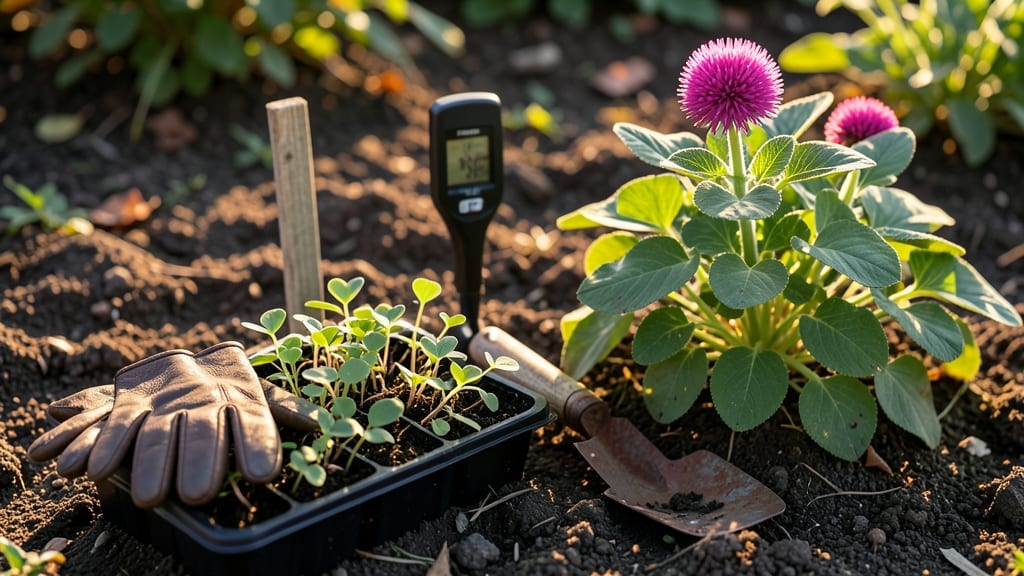
If you're planting crimson clover in North Carolina, timing it right is the key to thriving 🌸 fields and happy pollinators. The perfect window—late summer to early fall—lets this hardy cover crop establish strong roots before winter chill sets in, giving you lush growth by spring.
Why does this matter? Because planting too early means battling summer heat stress, while waiting too long risks frost damage before seeds even sprout. I’ll break down the exact months that work best for your specific USDA zone in NC, whether you're in the Piedmont or coastal regions.
You’ll also discover how local weather patterns—like those 200 frost-free days in most of NC—shape your planting schedule. Plus, I’ll share pro tips for soil prep and post-planting care to ensure your crimson cllover thrives as a cover crop, pollinator magnet, or erosion fighter.
Ready to transform your soil and support local ecosystems? Let’s dive into the ideal planting dates and strategies tailored just for North Carolina gardeners.
NC USDA Zones and crimson clover planting windows by month
North Carolina's diverse climate—from the coastal plains to the mountain regions—means crimson clover planting dates vary by USDA Zone. Most of NC falls in Zones 7a-8b, with ideal planting windows centered around late summer to early fall (August–October) to avoid summer heat stress and winter frost.
Let’s break down the best months for each zone to maximize your cover crop’s success.
For Zone 7a (e.g., Asheville), aim to plant between August 15 and September 15. This window ensures seeds germinate in warm soil (60–70°F) but before first frost (typically mid-October).
In Zone 8a (e.g., Raleigh), you have a slightly longer window—late July to early October—thanks to milder winters.
Here’s how to align your planting with NC’s frost-free growing season:
| USDA Zone | Best Planting Window | Soil Temp. Threshold | First Frost Risk |
|---|---|---|---|
| 7a (Asheville, Boone) | August 15–September 15 | 60–70°F | Mid-October |
| 7b (Greenville, Hickory) | August 1–September 30 | 60–75°F | Late October |
| 8a (Raleigh, Fayetteville) | Late July–October 15 | 65–80°F | November 1 |
| 8b (Wilmington, Charlotte) | July 15–November 1 | 70–85°F | Mid-November |
Pro tip: Use a soil thermometer to confirm temperatures—crimson clover seeds need 60°F+ soil to germinate. If your soil runs cooler (common in higher elevations like the Blue Ridge Mountains), wait until late August or even early September to plant.
While fall planting is ideal, you can also sow late winter to early spring (February–March) in Zone 8a/b. However, this method risks spring heat stress if planted too early. For Zone 7a, spring planting is risky due to earlier frosts—stick to fall.
If you’re using crimson clover as a winter cover crop, aim to establish it 6–8 weeks before first frost. This gives roots time to anchor before cold weather sets in. For example, in Zone 7a, plant by September 15 to ensure full establishment before frost.
For pollinator-friendly gardens, fall-planted clover will bloom in early spring (March–April), providing critical nectar for bees and butterflies. If you’re growing it for forage, spring planting in Zone 8a/b can yield earlier growth, but fall is still preferred for soil health benefits.
Always check your local NC weather forecasts for unusual temperature swings. A heatwave in September or an early frost in October can derail your planting plans. Adjust your timeline by 1–2 weeks if needed—flexibility is key!
🌸
How to adjust planting dates for crimson clover varieties in NC
Not all crimson clover varieties thrive on the same schedule in North Carolina, so choosing the right type—and adjusting your planting dates accordingly—can mean the difference between a thriving cover crop and one that struggles.
For example, 'Dixie' crimson clover, a popular early-season variety, is best sown in late August to early September to avoid summer heat stress.
Meanwhile, mid-season varieties like 'FL-1' can handle slightly later plantings, up to mid-October, because they establish roots faster. If your goal is pollinator support, timing matters even more—planting too late may delay flowering until spring, missing the critical fall pollinator season.
Here’s how to match your variety to NC’s USDA Zones 7a-8b and regional microclimates. Coastal areas like Wilmington (Zone 8a) can push planting dates 2-3 weeks later than inland Piedmont cities like Greensboro (Zone 7b), thanks to milder winters.
| Variety | Best Planting Window (NC) | Ideal Use | Adjustment for Late Planting |
|---|---|---|---|
| Dixie | Late August–Early September | Cover crop, erosion control | Avoid after September 15 |
| FL-1 | Mid-September–Mid-October | Forage, pollinator support | Can tolerate light frost |
| Osceola | Early September–Early October | Winter forage, soil improvement | Use row covers for late plantings |
| Tifcr-1 | Late August–Late September | High biomass production | Prioritize soil moisture |
For cover crop goals, aim to plant 6-8 weeks before the first expected frost in your area. This gives roots time to establish before winter dormancy. In Zone 7a (e.g., Raleigh), that’s typically by October 1, while Zone 8b (e.g., Fayetteville) can extend planting to mid-November.
If you’re growing crimson clover for forage or pollinators, push planting dates slightly later—late September to early October—to ensure flowers bloom in late winter or early spring, when pollinators are most active.
Just remember: soil temperatures below 50°F can stunt germination, so avoid planting when nighttime temps drop below this threshold.
Pro tip: Use a soil thermometer to confirm temperatures are ideal (60-70°F) before sowing. This small step can save you from wasted seed and re-planting headaches in NC’s unpredictable fall weather.