
Plants
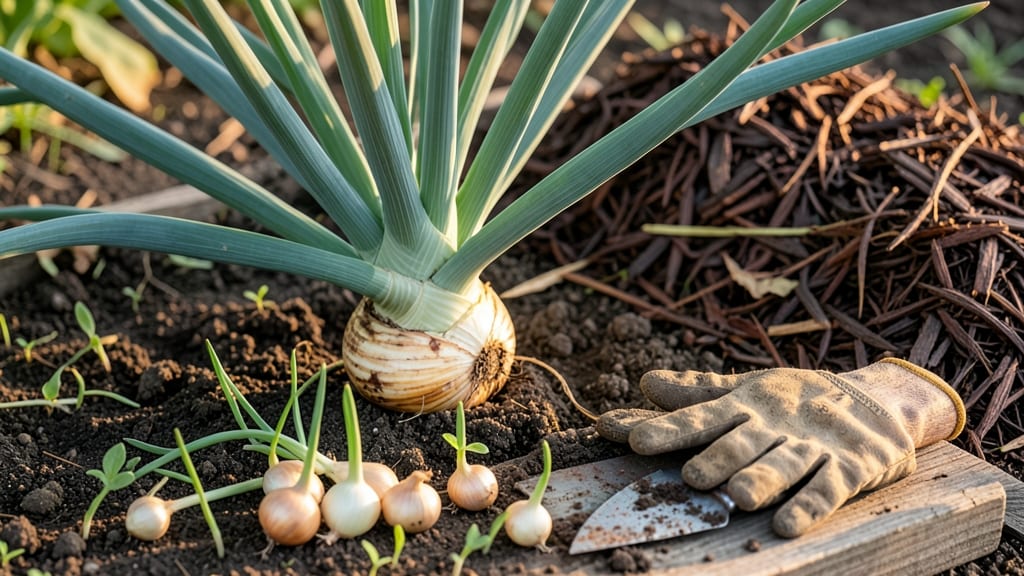
Timing your 🧅 onion planting in North Carolina can mean the difference between a bumper crop and a disappointing harvest. Whether you're growing sweet onions for salads or robust bulbs for storage, getting the schedule right is the key to success in zones 7a-8b.
Most gardeners in North Carolina plant onions during two distinct windows: late winter for spring harvests and early fall for winter storage. But here's the catch - planting too early in spring risks bolting (premature flowering), while fall plantings must happen before the first frost hits around November 15.
I'll walk you through exactly when to plant - whether you prefer using onion sets, transplants, or seeds - and how to adjust your schedule based on your specific region within the state. You'll discover the optimal months for each method and how to prepare your soil for maximum yield.
With the right timing, you could be enjoying homegrown onions from June through November. Let's get started with the planting schedule that works best for North Carolina's climate.
North Carolina onion planting timeline: spring vs fall months by climate zone
North Carolina’s diverse climate zones—coastal, piedmont, and mountain—create distinct planting windows for onions. The key is aligning your schedule with your region’s last frost date (typically March 15) and first frost (around November 15).
Coastal areas like Wilmington have longer growing seasons, while the mountains near Asheville face earlier frosts.
For spring plantings, aim to get onions in the ground 4-6 weeks before your last frost date. This usually means late February to early April in most of the state. Fall plantings should occur 90 days before your first frost, landing in August or early September.
Timing is critical—plant too early, and you’ll risk bolting; too late, and frost will stunt growth.
Here’s how to adjust your schedule based on North Carolina’s three main climate zones:
| Zone | Spring Planting Window | Fall Planting Window | Soil Temp Requirement | Best Method |
|---|---|---|---|---|
| Coastal (Zones 8a-8b) | Late Feb - Early April | Late Aug - Early Sept | 50-60°F | Sets or transplants |
| Piedmont (Zones 7a-7b) | Early March - Mid-April | Mid-Aug - Late Sept | 45-55°F | Sets or seeds |
| Mountains (Zones 6a-7a) | Mid-March - Early May | Early Aug - Mid-Sept | 40-50°F | Transplants (longer season) |
The coastal zone offers the longest growing season, allowing for two full harvests if you plant both spring and fall crops. In the piedmont, focus on either spring or fall—don’t attempt both unless you have ample space.
Mountain gardeners should prioritize fall plantings for storage onions, as spring harvests may arrive too late in the season.
For spring plantings, soil temperature is your best guide. Wait until the ground warms to at least 50°F—cold soil slows germination and invites rot. Use a soil thermometer to check, especially in the mountains where nights remain chilly.
In fall, aim to plant when daytime highs are still above 70°F to encourage root growth before frost.
I recommend marking your calendar with these key dates: March 15 (last frost) and November 15 (first frost). These anchor points will help you calculate your ideal planting windows each year.
Pro tip: Use onion sets (small bulbs) for spring plantings—they’re faster and more reliable than seeds in North Carolina’s variable climate.
Once you’ve nailed the timing, the next step is choosing the right onion varieties for your zone. Short-day onions like ‘Texas Early White’ thrive in North Carolina’s long growing season, while long-day varieties like ‘Yellow Granex’ need cooler summers to form bulbs.
I’ll cover variety selection in the next section—stay tuned!
🌱
How to choose onion varieties for North Carolina’s short vs long-day needs
North Carolina’s diverse climate means you’ll need to choose between short-day and long-day onion varieties to avoid bolting. Short-day onions thrive in the South, while long-day types grow best in cooler northern regions.
For NC’s zones 7a-8b, this distinction is critical—planting the wrong type can lead to bitter bulbs or wasted effort.
Short-day onions like ‘Texas Early White’ or ‘Yellow Granex’ (the sweet onion type) are ideal for coastal and piedmont areas. These varieties need fewer daylight hours to bulb properly, making them perfect for NC’s warmer southern regions.
Long-day onions such as ‘Candy’ or ‘Sweet Sandwich’ work better in the mountains, where cooler temperatures delay bolting.
Here’s a quick guide to help you decide: If you’re in the coastal plain (zones 8a-8b), stick with short-day varieties. For the mountains (zones 7a-7b), long-day onions are your best bet. Piedmont gardeners can experiment with both, but short-day types often perform better due to slightly warmer springs.
| Variety Type | Best For | Days to Maturity | Notes |
|---|---|---|---|
| Short-Day | Coastal/Piedmont | 105-120 days | ‘Texas Early White’, ‘Yellow Granex’ |
| Long-Day | Mountains | 110-130 days | ‘Candy’, ‘Sweet Sandwich’ |
| Day-Neutral | All Regions | 90-110 days | ‘Red Baron’, ‘Walla Walla’ |
Bolting is the biggest risk when growing onions in NC’s unpredictable spring weather. To prevent it, plant short-day varieties in late February to early March and long-day types in late March to early April.
This gives bulbs enough time to mature before the heat of summer triggers flowering. For fall plantings, aim for August to early September to ensure harvest before frost.
If you’re unsure which variety to choose, start with day-neutral onions like ‘Red Baron’—they adapt to NC’s varying daylight conditions. These are a safe bet for gardeners in transition zones like the piedmont, where temperatures fluctuate more dramatically. Always check seed packets for days-to-maturity and adjust your planting schedule accordingly.
Remember, the key to success is matching your variety to your location and planting at the right time. With the right choices, you’ll enjoy plump, flavorful onions all season long—whether you’re growing them for fresh eating or storage. Happy gardening! 🧅