
Plants
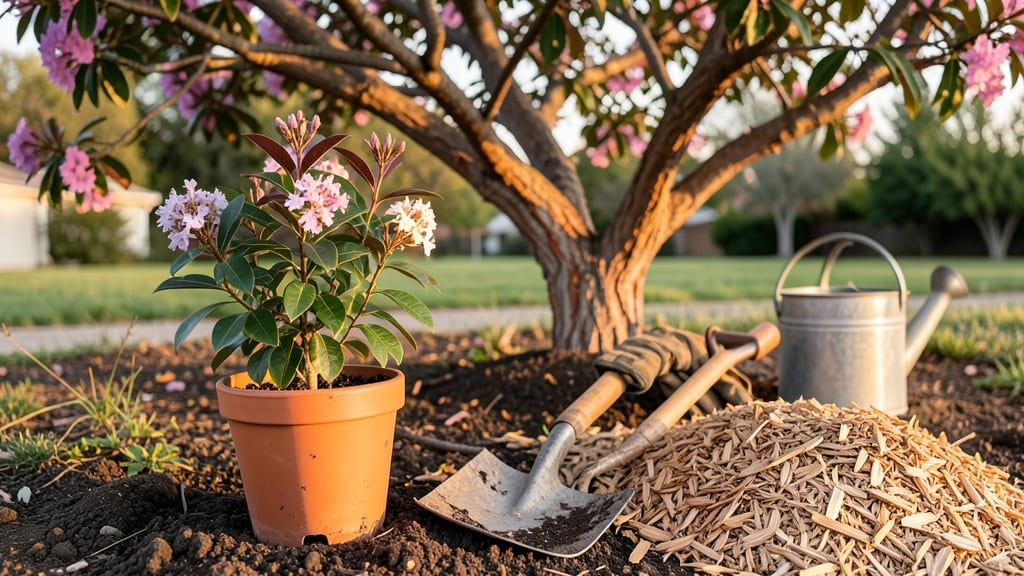
Timing your crepe myrtle 🌸 planting in Florida could mean the difference between a showstopping tree and one that struggles—or even dies—under the state’s unpredictable heat and humidity. Unlike cooler climates, Florida’s frost-free zones (8a-11) let you plant year-round, but February to March remains the golden window for maximum success.
Why? Because planting too early risks soggy soil from Florida’s winter rains, while waiting too long stresses young roots as summer heat arrives. I’ll break down the exact cues to watch for—soil temperature, rainfall patterns, and even your local microclimate—so you can plant with confidence and skip the guesswork.
Whether you’re starting with bare-root saplings or container-grown trees, I’ll cover the critical steps to help your crepe myrtle thrive in Florida’s warm embrace. From avoiding common mistakes to choosing the right variety for your zone, this guide ensures your tree gets off to a strong start.
Ready to transform your yard with vibrant blooms? Let’s dive into the perfect planting strategy tailored just for Florida gardeners—no frost, no stress, just stunning results.
Florida heat Zones and best crepe myrtle planting months by region
Florida’s diverse climate means crepe myrtle planting times vary dramatically from North to South. The state spans USDA Zones 8a-11, with frost risk in the Panhandle and none in the Keys.
Your best planting window depends on where you live—aim for late winter or early spring to balance root growth with summer heat.
For North Florida (Zones 8a-9a), like Jacksonville or Tallahassee, plant between February 15 and March 15. This avoids late frosts (common until March 1) while giving roots time to establish before 90°F+ summer temps.
In Central Florida (Zones 9b-10a), like Orlando or Tampa, you can plant January 15 to April 1—frost risk is minimal, but early spring is ideal.
In South Florida (Zones 10b-11), like Miami or Fort Lauderdale, crepe myrtles thrive year-round, but September to November is best. This lets roots settle before hurricane season and avoids peak summer heat (which stresses young trees).
Even in frost-free zones, avoid planting in extreme heat—soil temps above 85°F can shock roots.
🌱 Pro Tip: Use Florida’s 11 heat zones (A-C) as a guide. Zone A (North) = February-March planting; Zone C (South) = September-November. Check your zone here for precision.
| Region | USDA Zone | Best Planting Window | Frost Risk | Soil Temp Goal |
|---|---|---|---|---|
| North Florida | 8a-9a | Feb 15 - Mar 15 | High (until Mar 1) | 60°F+ |
| Central Florida | 9b-10a | Jan 15 - Apr 1 | Low (occasional) | 60°F+ |
| South Florida | 10b-11 | Sep - Nov | None | 70°F+ |
🌡️ Soil temp is critical—use a soil thermometer to confirm readiness.
If you’re in Zone 8a (Panhandle), prioritize bare-root crepe myrtles planted in February—they establish faster than container-grown trees.
For Zones 9b-11, container-grown trees can go in year-round, but spring/fall still yields best results. Urban areas (like Miami’s heat islands) may need earlier fall planting to beat summer stress.
🌿 Key Cultivar Tip: North Florida’s ‘Natchez’ (white blooms) thrives in Zone 8a, while South Florida’s ‘Tonto’ (red blooms) handles Zone 11’s humidity. Match your crepe myrtle variety to your microclimate for guaranteed success.
For container planting (common in apartments or rental homes), spring or fall works best—avoid summer’s intense heat, which dries out pots quickly. If you must plant in summer, do it in June (before peak heat) and mulch heavily to retain moisture.
Remember: Crepe myrtles hate soggy roots. Florida’s wet springs (like April showers) can drown young trees—plant in well-draining soil or slightly elevated beds. Amend clay soil with compost or sand to improve drainage.
Finally, monitor local weather for unusual frost warnings (even in Zone 10). Sign up for UF/IFAS alerts or use the National Weather Service app to track freeze risks in real time. Timing isn’t just about months—it’s about microclimates and soil conditions.
Signs your Florida soil and climate are ready for crepe myrtle planting
Florida’s warm climate lets you plant crepe myrtles almost year-round, but soil temperature and rainfall patterns are the real game-changers. Aim for 60°F+ soil temps—use a soil thermometer to check 6 inches deep.
In North Florida, this usually aligns with late February to early March, while South Florida gardeners can start as early as January.
Watch for consistent rainfall too—crepe myrtles need moisture to establish roots, but waterlogged soil can suffocate them. If your area’s had steady showers for 2-3 weeks, that’s your green light. Urban heat islands (like Miami or Orlando) may dry out faster, so mulch heavily to retain moisture.
- 🌡️ Soil temp hits 60°F+ (use a thermometer)
- ☔ 2+ weeks of steady rainfall (or consistent irrigation)
- 🌿 New growth on nearby plants (signs of warming soil)
- 🌬️ Wind speeds drop below 10 mph (coastal areas)
- 🌞 Daylight exceeds 12 hours (spring equinox onward)
Coastal areas like Fort Myers or Key West can plant earlier, but wind exposure matters—crepe myrtles dislike salt spray. If you’re near the beach, plant in sheltered spots or use windbreaks like bamboo fencing.
For inland zones (e.g., Tallahassee or Gainesville), wait until after March 1 to dodge late frosts.
Pro tip: Container-grown crepe myrtles adapt faster than bare-root—plant them anytime soil is workable. Just water deeply after transplanting to reduce shock. My ‘Natchez’ variety in Zone 8b thrived when planted in mid-March, despite a 28°F dip two weeks later—its roots were already anchored!
Finally, check for pest activity. If you spot aphids or scale insects on nearby plants, delay planting until treatments are done. Healthy soil = healthy trees, and Florida’s humidity can turn weak starts into pest magnets overnight.
Timing isn’t just about months—it’s about reading your microclimate. Use these cues, and your crepe myrtle will reward you with bold blooms by summer. 🌸