
Plants
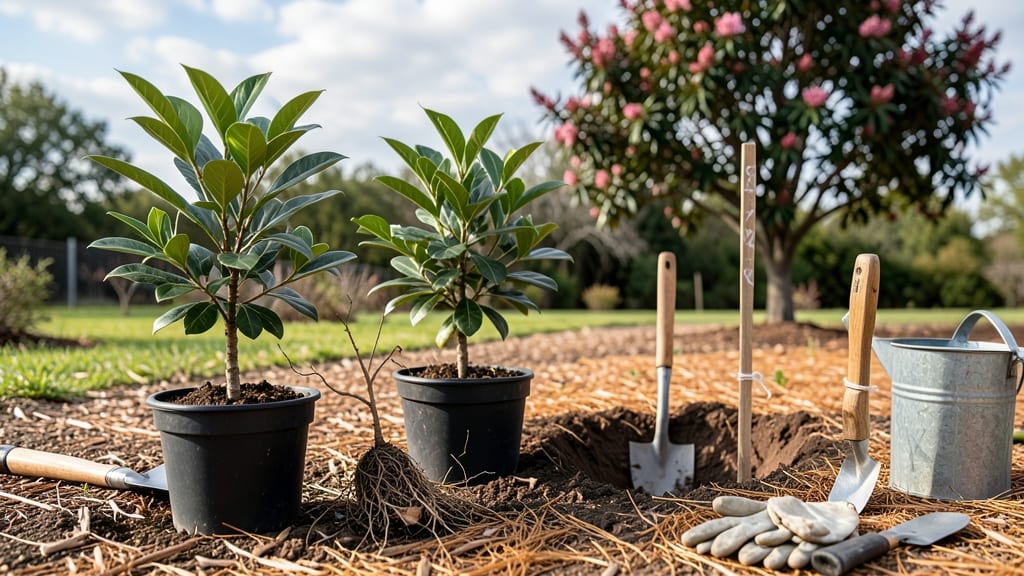
Timing your crepe myrtle 🌸 planting in North Carolina can make the difference between a thriving tree and one that struggles to take root. Planting at the wrong time—whether too early when frost lingers or too late when summer heat arrives—can stress your tree and set it up for failure.
The ideal window is narrow, and missing it means risking stunted growth or even death, especially in zones 6a-8b where temperatures swing dramatically.
Most gardeners assume spring is the only option, but fall planting actually offers a second chance for success. The key is understanding your specific heat zone and soil conditions—crepe myrtles need warm soil (60°F+) and frost-free ground to establish strong roots.
In North Carolina, this means waiting until after the average last frost date (March 15) or planting in early fall before the first chill sets in.
I’ve seen firsthand how a few weeks off the ideal planting window can turn a promising tree into a struggling one. Whether you’re a seasoned gardener or new to crepe myrtles, knowing the exact timing—and how to prepare your soil—will give your tree the best start.
Let’s break down the best months, soil prep, and care tips to ensure your crepe myrtle thrives from day one.
From choosing the right variety for your zone to avoiding common mistakes like planting too deep or in soggy soil, this guide covers everything you need.
You’ll learn how to time your planting for maximum growth, plus how to spot signs of stress if you’ve already planted outside the ideal window. Ready to get started?
North Carolina heat zones and exact planting windows for crepe myrtles
North Carolina's USDA zones 6A-8B create distinct planting windows for crepe myrtles, where timing directly impacts their survival and blooming potential. The optimal window is either late winter to early spring (March-April) or early fall (September-October), aligning with soil temperatures between 50-60°F.
In Zone 6A (western NC mountains), plant after March 15 when frost risk drops below 10%. Meanwhile, Zone 8B (coastal areas) can start as early as February 15 since milder winters reduce cold stress. Fall planting works best when soil stays above 55°F through October.
Crepe myrtles are dormant in winter, so planting too early risks root freeze from late frosts. Conversely, planting after May 15 stresses young roots during summer heat. The 100-day rule applies: plant early enough for roots to establish before summer drought.
| Zone | Spring Window | Fall Window | Soil Temp | Key Tip |
|---|---|---|---|---|
| 6A (Mountains) | March 15-April 15 | September 15-October 15 | 50-55°F | Use frost cloth for first 2 weeks |
| 7A (Piedmont) | March 1-April 15 | September 1-October 15 | 55-60°F | Mulch 3" deep after planting |
| 8A (Coastal) | February 15-March 30 | August 15-September 30 | 60-65°F | Water deeply 2x/week after planting |
| 8B (Outer Banks) | February 1-March 15 | August 1-September 15 | 60-65°F | Choose salt-tolerant varieties |
For spring planting, aim for March-April when soil temperatures consistently stay above 50°F. Test with a soil thermometer—crepe myrtles need root zone warmth to break dormancy. In Zone 7A, this typically means waiting until mid-March.
Fall planting offers a second chance for gardeners who miss spring. Plant 6-8 weeks before first frost (usually September-October) to allow roots to establish before winter. Avoid planting after October 15, as roots may not harden off before cold snaps.
North Carolina's microclimates create exceptions. For example, Asheville (Zone 7A) may experience late April frosts, while Raleigh (Zone 7B) often sees consistent warmth by March 15. Check your local Cooperative Extension Service for precise frost dates.
After planting, prioritize deep watering (1-1.5 gallons per tree) to encourage root growth. In Zone 8B, reduce watering after June 1 to mimic natural drought conditions, which strengthens root systems. Mulch with 3 inches of pine straw to retain moisture and regulate soil temperature.
Crepe myrtles planted outside these windows often show bolting (premature flowering) or leaf scorch from stress. For example, trees planted in May may bolt in July but produce smaller blooms. Always verify your exact microclimate using tools like the USDA Plant Hardiness Map.
For container-grown crepe myrtles, adjust timing by 2-3 weeks earlier since potted roots warm faster. However, avoid planting container trees after June 1, as they struggle to adapt to summer heat without established root zones.
🌸
Signs you’re planting too early or late (and how to fix it)
Planting your crepe myrtle outside its ideal window can trigger stress responses like bolting (premature blooming) or winter dieback. In North Carolina, the 50-60°F soil temperature threshold is critical—planting too early when soil is still cold forces roots to struggle, while late planting exposes young trees to summer heat stress.
Watch for yellowing leaves or stunted growth in spring-planted trees—they’re signs of early planting. These trees often bolt prematurely, producing weak blooms and reducing winter hardiness. Conversely, late summer planting (after July) can lead to shallow root systems, making trees vulnerable to drought or frost damage.
Here’s how to diagnose timing mistakes: Early planting results in wilted foliage during heatwaves, while late planting causes delayed flowering or no blooms at all. Both scenarios weaken the tree’s ability to establish roots before dormancy.
⚠️ Warning: Common Planting Mistakes
- 🌱 Too Early: Planting before last frost (March 15 in Zone 6a) → root rot risk from cold, wet soil.
- 🌱 Too Late: Planting after July 1 → shallow roots before winter dormancy.
- 🌱 Wrong Soil: Heavy clay without amendments → waterlogged roots.
Fix It:
- For early planting: Mulch heavily with 3-4 inches of wood chips to insulate roots.
- For late planting: Water deeply 2x/week until roots establish (6-8 weeks).
- For soil issues: Amend with compost or sand to improve drainage.
If you’ve already planted outside the ideal window, don’t panic. Mulching and consistent watering can salvage your tree. For spring-planted trees, apply a 2-3 inch mulch ring to protect roots from temperature swings. Late-planted trees need drip irrigation to encourage deep root growth before winter.
Pro tip: Use a soil thermometer to monitor temperatures—crepe myrtles thrive when soil stays above 60°F for at least 2 weeks. This simple tool can save you from costly mistakes and ensure your tree establishes strong roots.
Remember, crepe myrtles are drought-tolerant once established, but their first year is critical. By correcting timing errors with proper care, you’ll set your tree up for vibrant blooms and decades of beauty in your North Carolina landscape. 🌸