
Plants
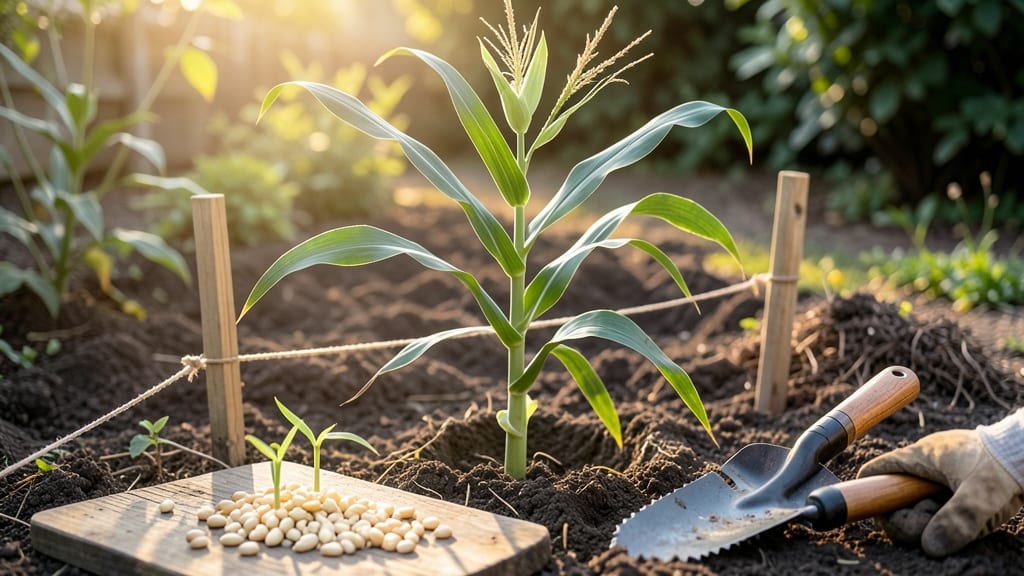
Timing your corn planting in Zone 8a could mean the difference between a bumper crop of sweet 🌽 and struggling with weak stalks or pests. The key to success isn't just waiting for spring—it's understanding when your soil is actually ready for those seeds to sprout.
Most gardeners in Zone 8a make the mistake of planting too early, only to watch their corn sit in cold soil and rot. But with the right soil temperature tricks—like warming beds or using row covers—you can extend your planting window by 2-3 weeks without risking frost damage.
In this guide, I'll break down exactly when to plant (and why), how to prep your soil for fast germination, and which varieties thrive in your short growing season. Let's make sure your corn gets off to the best possible start.
Whether you're a first-time gardener or a veteran looking to boost yields, these insights will help you avoid common pitfalls and enjoy plump, juicy ears all season long.
Ideal corn planting dates in Zone 8a based on soil temperature
In Zone 8a, corn thrives when planted between mid-April and early June, but timing depends on your soil temperature and last frost date. Corn seeds need soil at 50-60°F to germinate—any cooler, and you risk rot or slow sprouting.
Since Zone 8a’s last frost typically lands around March 15, wait 2-3 weeks after that date before planting to avoid frost damage.
For direct sowing (planting seeds outdoors), aim for late April to early May when soil consistently stays above 60°F. If you’re using starter plants, transplant them 1-2 weeks earlier (mid-April) to give them a head start.
Early varieties (like Silver Queen) can handle cooler soil, while late varieties (like Peaches and Cream) need warmer conditions.
Here’s how to calculate your personalized planting window: Check your local frost-free date (usually November 15 in Zone 8a) and count backward 90-120 days (corn’s maturity range). This gives you a harvest window before the first frost.
For example, if your frost-free date is November 15, plant by early August for late varieties to mature before cold snaps.
| Stage | Action | Soil Temp | Zone 8a Window |
|---|---|---|---|
| Direct Sowing | Plant seeds 1" deep, 4" apart | 50-60°F | Late April - Early May |
| Transplant Starters | Move seedlings 2" deep, 12" apart | 60°F+ | Mid-April - Late April |
| Succession Planting | Sow every 2 weeks for continuous harvest | 55-65°F | May - Early June |
| Harvest Window | Pick when silks brown and kernels are milky | N/A | Late July - September |
Missed the spring window? Zone 8a’s mild winters allow for a fall planting attempt, but it’s risky. Plant late July to early August for a 90-day variety like Bodacious, but expect smaller ears and higher pest pressure.
Always use row covers to protect young plants from unexpected cold snaps.
Pro tip: Use a soil thermometer to confirm temperatures before planting. If your soil runs below 50°F in the morning, wait a few days—corn seeds won’t germinate until the soil warms up consistently.
In my Zone 8a garden, I’ve seen seeds rot when planted too early, even if the air temperature feels warm.
For succession planting, stagger your sowing every 2 weeks through early June to enjoy fresh ears all summer. This works best with short-season varieties (60-75 days to maturity) like Ambrosia or Golden Bantam. Just remember: the last planting date should leave 90 days before your first frost.
If you’re new to corn, start with one variety and focus on perfecting your timing. I planted Silver Queen in early May one year and harvested plump, sweet ears by August—while my neighbor’s late planting yielded tough, underdeveloped corn. The difference? Soil temperature and planting date.
🌱
How to adjust planting time for faster germination & higher yields
Corn seeds need consistent warmth to germinate, and in Zone 8a, that means waiting for soil temperatures to hit 60°F or higher. If you plant too early, your seeds may rot in cold, damp soil.
But with the right tricks—like warming your beds or using row covers—you can extend your planting window by up to 3 weeks without risking frost damage.
One of my favorite methods is using black plastic mulch to raise soil temperatures by 10-15°F. Simply lay down the plastic 1-2 weeks before planting, and your soil will warm up faster.
This is especially helpful if you're planting early varieties like Silver Queen, which need a head start.
Another game-changer is raised beds. They warm up quicker in spring and drain better, reducing the risk of seed rot. Fill them with compost-rich soil and plant your corn 1-2 weeks earlier than you would in the ground.
Just make sure the bed is at least 12 inches deep—corn roots need room to stretch!
⚠️ Callout-Warning ⚠️
Planting too early when soil is below 50°F leads to poor germination and weak seedlings.
Skipping soil prep means compacted soil that stunts root growth.
Ignoring frost dates risks late-season damage before harvest.
For even faster results, try row covers or cloches to create a microclimate. These can add 5-10°F of warmth, letting you plant 2-3 weeks earlier than the average frost-free date. Just remove them once the plants reach 6 inches tall to avoid overheating.
If you're planting in late May or June, focus on short-season varieties like Peaches and Cream or Bodacious. These mature in 70-80 days, giving them enough time to produce ears before the first frost.
Always check your last frost date (typically mid-March in Zone 8a) and count backward from your variety’s maturity time.
Finally, test your soil temperature with a soil thermometer before planting. Corn seeds won’t sprout below 50°F, but they germinate fastest at 80-90°F. If your soil is still cool, wait a few more days—your patience will pay off with stronger, healthier plants.