
Plants
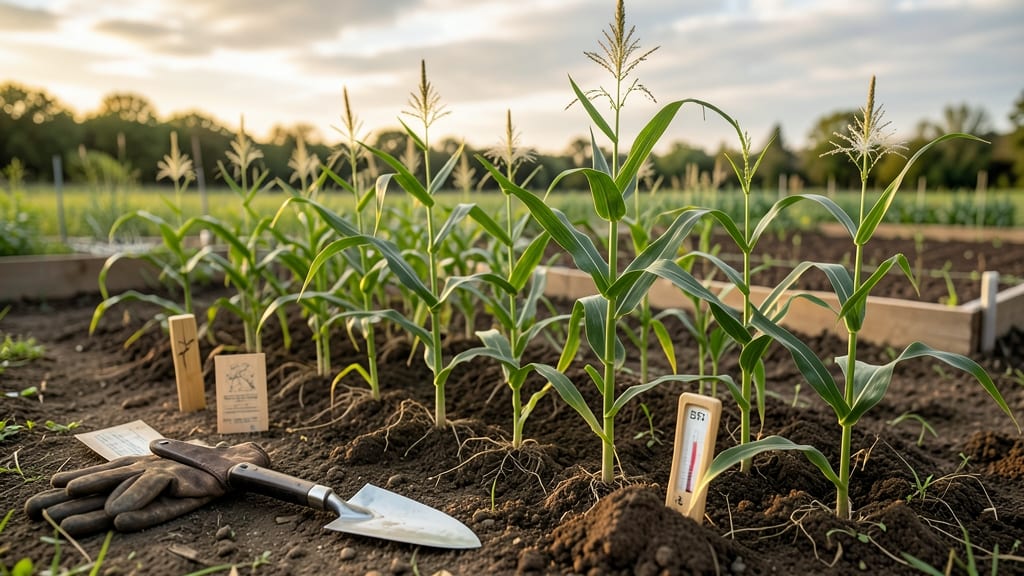
If you're dreaming of a bountiful harvest of golden 🌽 corn in Zone 5b, when to plant corn in zone 5b is the secret weapon you can't afford to ignore.
Planting too early risks frost damage, while waiting too long might leave you scrambling to harvest before the first chill arrives. The perfect window—after your last frost and when soil hits 60°F—is your ticket to sweet, plump kernels.
For gardeners in Ohio, Michigan, or the Midwest, this usually means mid-April to early June, but don't guess—soil temperature and frost-free deadlines vary by location. I'll break down exactly when to plant, how to prep your soil, and which corn varieties thrive in your short growing season.
You'll also discover how to stretch your planting window with simple tricks, whether you're a first-timer or a seasoned gardener. With the right timing, you could be enjoying fresh corn on the cob by late July, and I'll show you how to make it happen.
Let's dive into the exact steps to maximize your corn's potential in Zone 5b—because the difference between a handful of ears and a full garden is just a few weeks of planning.
Zone 5b corn planting deadlines: frost dates & soil temperature guidelines
Growing corn in Zone 5b means working with a short growing season—typically just 165 frost-free days from mid-April to mid-October. To maximize your harvest, timing is critical.
Corn seeds won’t germinate until soil temperatures hit 50°F (10°C), but ideal planting occurs when soil reaches 60°F (15°C) for consistent growth. In Zone 5b, this usually aligns with late April to early May, but regional differences matter.
For example, cities like Chicago (Zone 5b) average their last frost around April 15, while Pittsburgh may see frost linger until May 1. Always check your local frost-free date using the USDA Plant Hardiness Zone Map or a microclimate guide for your specific area.
Planting too early risks frost damage, while waiting too late may leave you with underdeveloped ears.
🌱 Key Takeaway: Aim to plant corn 2-3 weeks after your last frost date when soil is consistently 60°F. This ensures strong germination and a full growing season before the first frost in October.
| Region (Zone 5b) | Avg. Last Frost | Ideal Planting Window | Soil Temp Threshold | First Frost Risk |
|---|---|---|---|---|
| Chicago, IL | April 15 | Late April - Early May | 60°F (15°C) | Mid-October |
| Pittsburgh, PA | May 1 | Early - Mid May | 60°F (15°C) | Late September |
| Cleveland, OH | April 22 | Late April - Early May | 58°F (14°C) | Early October |
| Detroit, MI | April 20 | Late April - Early May | 62°F (17°C) | Mid-October |
🌡️ Note: Use a soil thermometer to verify temperatures before planting.
If you’re unsure about your local frost dates, use a frost calendar or check with your local cooperative extension office.
For example, Ohio State University Extension provides free frost date maps tailored to microclimates within Zone 5b. These resources help account for urban heat islands or protected garden spots that may extend your growing season by 1-2 weeks.
Another critical factor is soil temperature consistency. Corn seeds may sprout at 50°F (10°C), but growth stalls below 60°F (15°C). Use a soil thermometer to monitor temperatures at a 4-inch depth—this is where corn roots establish.
If nights are still chilly, consider using black plastic mulch to warm the soil faster. This technique can push your planting window 1-2 weeks earlier in Zone 5b.
For succession planting, aim to stagger corn varieties every 2 weeks up to mid-June. This ensures a continuous harvest and reduces the risk of corn earworm
Zone 5b corn planting deadlines: frost dates & soil temperature guidelines
In Zone 5b, your corn's success hinges on two critical factors: soil temperature and frost-free dates. Corn seeds won't germinate properly below 50°F, and your plants are vulnerable to frost until the soil consistently stays above 60°F.
For most of Zone 5b—think Ohio, Michigan, or the Midwest—this means waiting until mid-April to early June to plant.
Your last frost date typically falls around April 15, but don't rush! Planting too early risks stunted growth or frost damage. Instead, use a soil thermometer to confirm the ground has warmed to at least 60°F for 24 hours.
This usually happens by late May in colder pockets like northern Ohio, but earlier in warmer microclimates near cities.
| Region | Last Frost Date | Ideal Planting Window | Soil Temp Threshold |
|---|---|---|---|
| Chicago, IL | April 20 | May 15–June 1 | 60°F+ |
| Pittsburgh, PA | April 15 | May 1–May 15 | 60°F+ |
| Columbus, OH | April 10 | April 25–May 10 | 55°F+ |
| Detroit, MI | April 25 | May 10–May 25 | 60°F+ |
*Adjust for microclimates—south-facing slopes warm faster!
Even within Zone 5b, microclimates play a huge role. A south-facing slope or urban heat island can warm 1-2 weeks earlier than your average frost chart suggests. To test your spot, place a thermometer in the soil at planting depth (1 inch) for 3 days.
If temps dip below 50°F at night, delay planting or use row covers for protection.
Pro tip: Plant early-maturing varieties (60-75 days to harvest) if you're pushing the limits. These can tolerate cooler soils and still reach maturity before the first frost (October 15 in Zone 5b).
For example, 'Early Sunglow' matures in just 70 days, giving you a safety net for late starts.
Finally, mark your calendar for July 4th—this is your last chance to plant succession crops for a late-summer harvest. By then, soil temps are ideal, and you'll still have time to grow corn before the first frost.
Just be prepared to use row covers to extend the season if needed.