
Plants
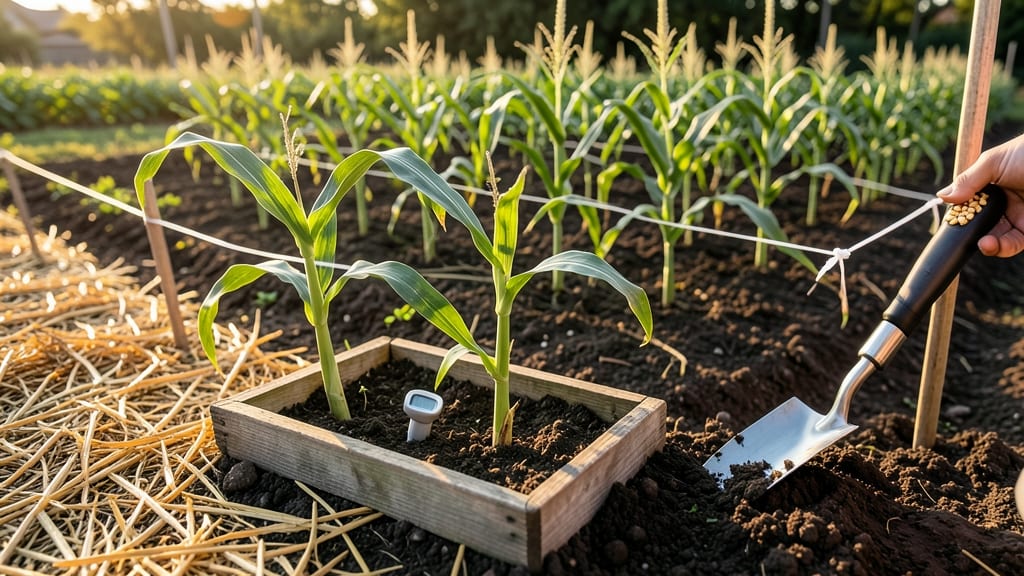
Timing your 🌽 corn planting in New Mexico wrong could mean the difference between a bumper crop and a total flop—especially with 90-day varieties that need every warm day to mature. The high-desert climate here isn’t like your average garden spot, and getting the window right is everything.
Most gardeners in New Mexico’s USDA Zones 5-8 should start seeds indoors by March or plant directly in the ground by mid-April, but altitude and frost dates tweak that timeline.
Whether you're in Albuquerque’s cooler pockets or the warmer southern valleys, knowing when to put those seeds in the soil is the key to avoiding stunted plants or early frost damage.
I’ve grown corn in this region for years, and the biggest mistake I see is planting too early when the soil is still cold—or too late when summer’s heat arrives.
The sweet spot? Wait until the ground reaches at least 55°F and nighttime temps stay above 50°F. That’s when your corn will really take off.
Let’s break down the exact planting schedule, soil prep secrets, and the best 90-day varieties that thrive here—so you can go from seed to harvest with confidence. Ready to make this your best corn season yet?
Optimal planting dates for 90-Day corn in New Mexico’s climate zones
New Mexico’s high-desert climate creates unique challenges for corn growers, where elevation and temperature swings dictate planting windows. For 90-day varieties, timing is critical—plant too early, and cold snaps stunt growth; too late, and you miss the harvest window before first frost.
Most of the state falls within USDA Zones 5-8, but microclimates vary dramatically between Albuquerque, Santa Fe, and Southern New Mexico.
The key is planting when soil temperatures reach 60°F (15°C) and stay consistent, typically late April to early May in lower elevations, but mid-May to early June in high-desert areas like Santa Fe.
Corn needs 90-120 frost-free days to mature, so calculate your first-frost date (usually late October to early November) and work backward.
Albuquerque (Zone 7b), at 5,300 feet elevation, has a 180-day growing season. Plant 90-day varieties between April 20 and May 10 for harvests before the first frost on October 15. Southern New Mexico (e.g., Las Cruces, Zone 8a) can start two weeks earlier, while Santa Fe (Zone 6a) should delay until May 15 due to cooler nights.
| Region | Elevation | Planting Window | First Frost | Key Adjustment |
|---|---|---|---|---|
| Albuquerque | 5,300 ft | April 20–May 10 | Oct 15 | Use black plastic mulch |
| Santa Fe | 7,200 ft | May 15–June 1 | Oct 5 | Extend season with row covers |
| Southern NM (Las Cruces) | 3,900 ft | April 1–April 25 | Nov 1 | Succession plant every 2 weeks |
🌽 Note: Adjust dates 1 week earlier for irrigated beds.
For high-desert areas, soil warmth is the limiting factor. Use a soil thermometer to confirm 60°F+ at 4-inch depth before planting. In Albuquerque and Las Cruces, black plastic mulch warms soil by 5-10°F, allowing earlier starts.
Meanwhile, Santa Fe’s cooler nights may require row covers or low tunnels to protect young plants from 32°F+ dips.
If you miss the spring window, summer planting is possible in Southern New Mexico but risky in high-desert zones. Start late June only if you’re growing short-season varieties (e.g., ‘Early Sunglow’) and can provide consistent irrigation.
Heat stress above 95°F slows pollination, so prioritize shade cloth during peak afternoons.
Pro tip: Plant two varieties with staggered dates (e.g., ‘Peaches and Cream’ in early May and ‘Silver Queen’ in late May) to extend your harvest. This 3-week gap ensures continuous ears while accounting for unpredictable weather.
Monitor local weather forecasts for monsoon patterns, which can bring sudden cooling and moisture in July. While rain helps, it can also dilute soil nutrients or spread fungal diseases. Always have a backup irrigation plan for dry spells.
Finally, keep a planting journal to track your specific microclimate’s quirks. Note when soil warms, how rainfall affects germination, and which varieties thrive. Over time, you’ll refine your planting schedule to perfection—just like the Native American farmers who’ve grown corn
Soil preparation and pre-planting checks for high-desert corn success
New Mexico’s high-desert soil isn’t your typical garden loam—it’s often low in organic matter and can be clay-heavy or sandy, both of which challenge corn roots.
Before you even think about planting, you’ll need to prep your soil to ensure your 90-day corn varieties get the nutrients and moisture they crave.
The first step is testing your soil pH. Corn thrives in a pH range of 6.0–7.0. If your soil is too alkaline (common in NM), you’ll need to amend it with sulfur or compost to bring it into the ideal zone.
I’ve found that adding aged manure or composted leaves works wonders for improving both structure and fertility.
Next, focus on moisture retention. High-desert winds and dry air can dry out soil quickly, so mix in 2–3 inches of compost or use organic mulch like straw or wood chips. This helps retain moisture while also preventing soil crusting, which can suffocate young seedlings.