
Plants
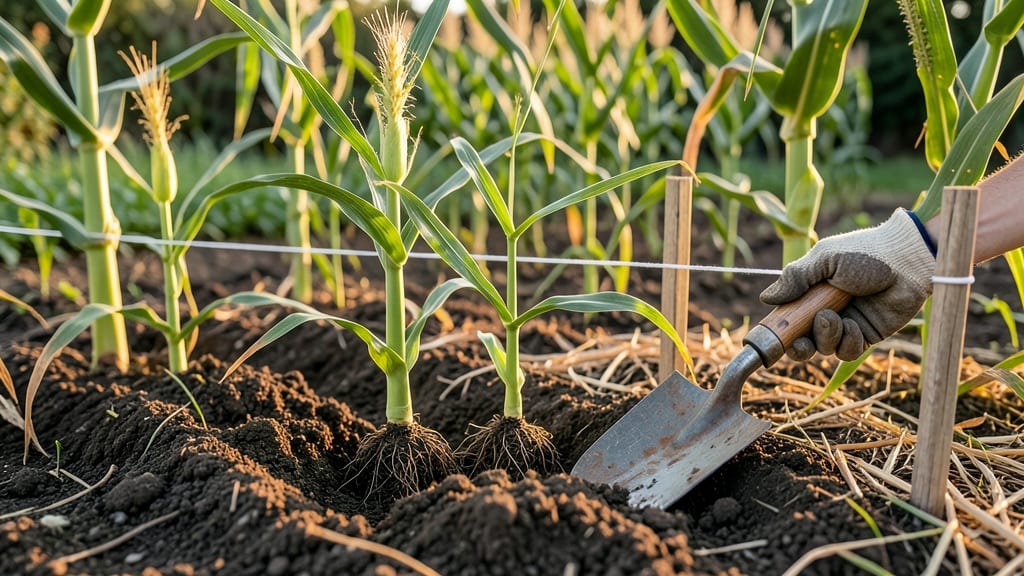
Timing your 🌽 corn planting in South Carolina can make or break your harvest—get it wrong, and you risk stunted plants or wasted seeds.
The state’s diverse climate zones mean what works in the Upstate won’t always suit the Coastal Plain, so knowing the exact window matters more than you’d think.
Most gardeners in USDA zones 7b to 8b aim for mid-April to early May, but local frost patterns and soil temperatures can shift those dates by weeks.
Whether you’re growing sweet corn for summer meals or dent corn for fall storage, precision planting is the key to avoiding frost damage and maximizing those 6-12-foot stalks.
In this guide, I’ll break down the ideal planting windows by region—from the cooler Upstate to the warmer Lowcountry—plus how to adjust for early vs. late varieties. You’ll also learn the 5 critical factors that determine your exact planting date, so you can time it perfectly for your microclimate.
Ready to turn your corn patch into a high-yielding success? Let’s get started with the exact dates and tips you need for peak harvests in South Carolina’s unique growing conditions.
South Carolina corn planting calendar by region (best dates for maximum yields)
South Carolina’s three distinct climate zones—Upstate, Midlands, and Coastal—create wildly different planting windows for corn. In the Upstate (USDA Zone 7b), where frost lingers until mid-April, aim for late April to early May when soil hits 60°F+.
The Midlands (Zone 8a) offers a broader window of mid-April to mid-May, while the Coastal Lowcountry (Zone 8b) can start as early as late March, thanks to milder winters.
Missing these windows means risking frost damage to tender seedlings or reduced yields from summer heat stress. For example, planting in the Upstate after May 15 may push harvest into October’s first frost, cutting your season short.
Each region’s microclimates—like mountain valleys or coastal breezes—also shift ideal dates by 1-2 weeks.
🌽
| Region | USDA Zone | Last Frost Date | Ideal Planting Window | Soil Temp Threshold | Yield Impact |
|---|---|---|---|---|---|
| Upstate (Greenville, Spartanburg) | 7b | Mid-April | Late April - Early May | 60°F+ | Peak yields if planted by May 10 |
| Midlands (Columbia, Rock Hill) | 8a | Early April | Mid-April - Mid-May | 55°F+ | Flexible window; avoid June planting |
| Coastal Lowcountry (Charleston, Hilton Head) | 8b | Late March | Late March - Early May | 50°F+ | Earliest harvests; risk of hurricane delays |
| Piedmont (Greer, Anderson) | 7b-8a | Early April | Early April - Late April | 60°F+ | Short window; prioritize fast-maturing varieties |
In the Upstate, where nights stay chilly longer, short-season varieties (like 'Silver Queen' at 70 days) thrive when planted by April 25. Meanwhile, the Coastal Lowcountry can handle longer-season varieties (up to 120 days) thanks to its warmer soil and extended growing season.
For example, 'Peaches & Cream' (110 days) planted in late March in Charleston may yield 20% more than the same variety planted in May.
Don’t overlook microclimates—a south-facing slope in the Upstate can warm 2-3 weeks earlier than a north-facing valley. Use a soil thermometer to confirm 60°F+ before planting, as cold soil delays germination.
In the Midlands, where humidity spikes in summer, succession planting every 2 weeks from April to June ensures continuous harvests.
🌡️
For Coastal gardeners, hurricane season (June-November) adds another layer of risk. Planting early May gives ears time to mature before storms, while June plantings may face wind damage or salt spray from coastal storms.
In the Upstate, late May plantings risk drought stress as summer heat arrives, so prioritize drought-tolerant varieties like 'Bodacious' if extending your window.
Pro tip: Check the SC State Climate Office’s frost risk maps annually—some years, the Upstate’s last frost slips to May 1, shrinking your window by 2 weeks. Adjust by planting fast-maturing varieties or using row covers for early starts.
☀️
If you’re in Zone 8b, don’t dismiss fall planting entirely—some super-sweet varieties (like 'Ambrosia') can tolerate light frosts if planted by August 1. However, yields drop 30-50% compared to spring plantings, so treat it as a supplemental crop rather than your main harvest.
How to adjust corn planting dates for early vs late varieties in SC
Choosing the right corn variety for your South Carolina garden means matching your planting date with the plant's maturity timeline. Short-season varieties (like 'Silver Queen' or 'Early Sunglow') mature in 90 days or less, while long-season varieties (such as 'Peaches and Cream' or 'Golden Bantam') need 120+ days to reach harvest.
Your planting window shifts dramatically based on these differences.
For short-season corn, you have more flexibility. You can plant as early as late March in the Coastal Plain or hold off until mid-April in the Upstate—just ensure soil temperatures stay above 50°F for consistent germination.
These varieties thrive in warmer climates and can even handle late starts if planted by early June for a fall harvest.
Long-season varieties demand precision. Plant them between mid-April and early May in the Midlands and Upstate, where frost risk lingers longer. In the Coastal Plain, you can push planting to late April due to milder winters.
The key is to ensure ears develop before first frost, which typically hits mid-November.
🌽 Corn Variety Planting Guide for South Carolina
| Variety Type | Days to Maturity | Best Planting Window | Risk Level |
|---|---|---|---|
| Short-Season (90 days) | 60-90 | Late March - Early June | Low (flexible) |
| Medium-Season (100 days) | 90-105 | Mid-April - Late May | Moderate |
| Long-Season (120+ days) | 110-130 | Mid-April - Early May | High (timing critical) |
💡 Pro Tip: Use a soil thermometer to confirm 60°F+ soil temps before planting—cold soil delays germination and weakens seedlings.
Late planting carries risks, especially for long-season varieties. If you plant after early June, your corn may not mature before frost, resulting in stunted ears or poor kernel development.
For a second harvest, opt for short-season varieties planted in early July—they’ll mature by late September before frost sets in.
Always check your seed packet for heat unit requirements (also called "growing degree days"). South Carolina’s USDA Zones 7b-8b typically accumulate 2,500-3,000 heat units by early October. Match your variety’s needs to your region’s heat accumulation to avoid disappointment.
For example, 'Ambrosia' (a 110-day variety) thrives in the Upstate when planted by April 15, while 'Bodacious' (a 75-day variety) can be sown as late as June 1 in the Coastal Plain. Test a few varieties to see what works best in your microclimate!