
Plants
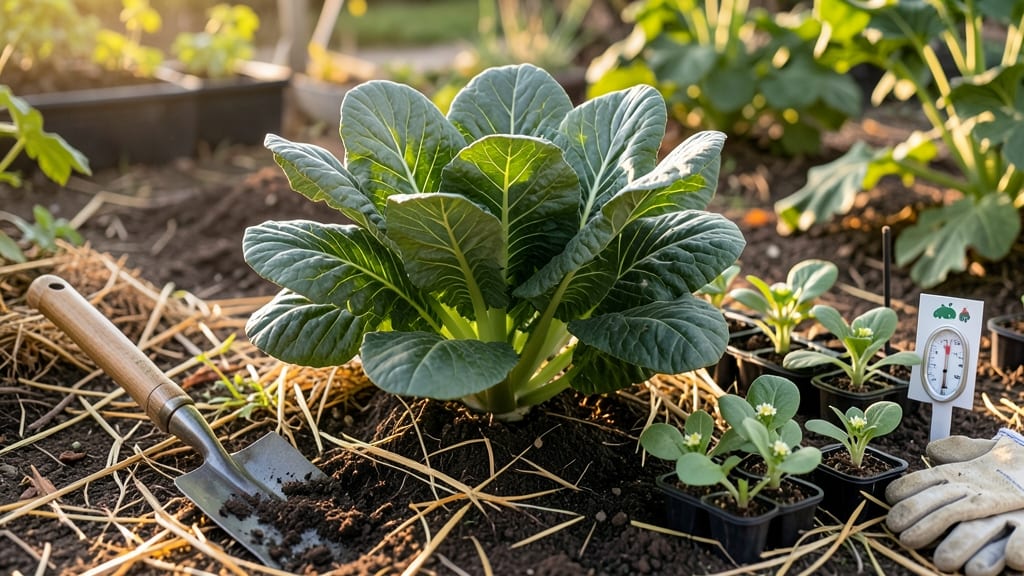
If you're dreaming of a garden bursting with homegrown collards 🥬 but aren't sure when to plant them in Mississippi's sweltering heat, you're not alone. Timing these leafy greens wrong can mean wilted plants or stunted growth—especially in USDA Zone 8a, where summer temperatures can push 90°F+.
Here's the secret: Mississippi gardeners get two chances to plant collards for a bountiful harvest—early spring (March-April) and late summer (August-September). Plant too early, and your seedlings may bolt in the heat; too late, and frost could nip your crop before it matures.
Let me show you exactly how to align your planting schedule with Mississippi's unique climate to maximize your harvest.
Why does this matter? Because collards thrive in cooler weather but can handle some heat—if you give them the right conditions. We're talking about 60-70°F soil temps and smart spacing to keep leaves crisp.
Whether you're a first-time gardener or a seasoned green thumb, these planting windows will help you avoid common pitfalls and grow collards that taste like they came straight from your grandma's kitchen.
Ready to transform your garden into a collard powerhouse? Let's dive into the optimal planting times, soil prep tricks, and companion plants that will keep your greens flourishing from spring through fall—no matter how hot Mississippi gets.
Mississippi collard planting calendar: heat Zone breakdown by month
Mississippi’s three USDA hardiness zones (7b, 8a, 8b) create distinct planting windows for collards. In Zone 8a (North MS), your last frost typically hits around March 15, while Zone 8b (South MS) enjoys frost-free conditions until November 15.
This means your spring planting starts 4-6 weeks before your last frost, while fall succession planting begins in late summer to extend harvests.
For Zone 7b gardeners in the Delta, plan to transplant collards between February 20-March 15 for spring harvests. Meanwhile, Coastal Mississippi (Zone 8b) can start as early as February 1 or even late January in microclimates.
These timing differences ensure your collards avoid heat stress in summer while maximizing frost-free growing days.
Mississippi State University Extension data shows 80% of successful collard harvests occur when planted between March-April or August-September. The key is avoiding 90°F+ temperatures during early growth stages, which can cause bolting or leaf scorch. Let’s break down the exact calendar by zone.
Mississippi Collard Planting Calendar by USDA Zone
| Zone | Spring Planting Window | Fall Planting Window | Avg. Last Frost | Frost-Free Days |
|---|---|---|---|---|
| 7b (North MS) | Feb 20 - Mar 15 | Aug 1 - Aug 15 | Mar 15 | 200 days |
| 8a (Central MS) | Feb 15 - Mar 30 | Jul 15 - Aug 10 | Mar 1 | 210 days |
| 8b (South MS) | Jan 20 - Feb 28 | Jul 1 - Sep 1 | Feb 15 | 240 days |
⚠️ Pro Tip: Use shade cloth (30-50%) for summer transplants in Zone 8b to prevent bolting.
Your spring collards should be ready for harvest by May-June, while fall-planted varieties thrive until November-December before light frosts sweeten their flavor.
For example, in Jackson (Zone 8a), planting on March 1 yields harvests by May 15, while Biloxi (Zone 8b) can extend harvests until December 1 with late summer plantings.
Mississippi’s humid subtropical climate means soil temperatures are critical. Wait until soil reaches 55°F+ before transplanting—use a soil thermometer to avoid cold stress. In North Mississippi, this often means waiting until mid-April, while South Mississippi can start as early as February in protected microclimates.
For succession planting, sow new collard seeds every 2-3 weeks from August-September to ensure continuous harvests. This works especially well in Zone 8b, where you can push harvests into holiday seasons. Pair this with mulching to retain moisture during Mississippi’s hot, dry spells
Collard varieties that excel in Mississippi’s humid heat
Mississippi’s sweltering summers and humid air demand heat-tolerant collard varieties that won’t bolt or wilt under stress. The right variety makes all the difference between a bountiful harvest and a sad, struggling plant.
I’ve grown these top 5 varieties in my own garden, and they consistently deliver in the Magnolia State’s climate.
For Delta region gardens, where heat lingers longer, look for varieties like ‘Champion’—it thrives in 90°F+ temperatures and resists common Southern pests. Meanwhile, ‘Georgia Southern’ is my go-to for Coastal Mississippi, where humidity is higher and fungal diseases lurk. Both handle Mississippi’s clay-heavy soils better than most.
🌱 Pro Tip: Always check seed packets for disease resistance ratings—look for varieties labeled “heat-tolerant” or “humidity-resistant.” My ‘Vates’ collards (a heirloom favorite) hold up well but need extra mulch in August’s heat waves.
| Variety | Heat Tolerance | Disease Resistance | Best For | Planting Tip |
|---|---|---|---|---|
| Champion | ✅ Excellent (90°F+) | ✅ Flea beetles, cabbage worms | Delta regions | Plant in late March or August |
| Georgia Southern | ✅ Good (85°F+) | ✅ Downy mildew | Coastal MS | Add compost mulch in summer |
| Vates | ✅ Moderate (80°F+) | ✅ Powdery mildew | Heirloom gardens | Use shade cloth in peak summer |
| Top Bunch | ✅ Good (85°F+) | ✅ Black rot | Small spaces | Plant in containers for mobility |
| Blue Max | ✅ Excellent (90°F+) | ✅ Cabbage loopers | Large harvests | Stake plants in high winds |
If you’re planting in North Mississippi’s cooler microclimates (like USDA Zone 7b), ‘Blue Max’ or ‘Champion’ still work, but you’ll get a longer harvest window. I’ve seen ‘Blue Max’ produce 30% more leaves than other varieties when given proper care in Tupelo’s clay soil.
💧 Watering Hack: For summer plantings, water collards at soil level (not overhead) to prevent fungal spores from splashing onto leaves. My ‘Georgia Southern’ plants stay healthier this way during July’s humidity spikes.
For fall harvests, prioritize varieties with cold tolerance like ‘Champion’—they’ll keep producing until first frost (usually mid-November in Mississippi). Save seeds from your best plants to create a localized variety adapted to your specific yard’s conditions!