
Plants
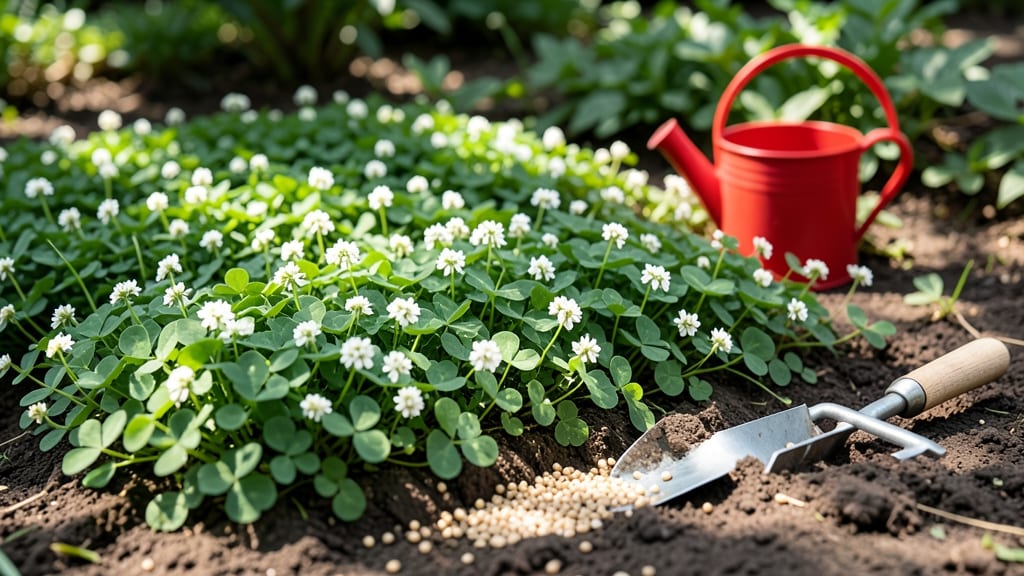
Timing your clover planting just right in spring can mean the difference between a lush, nitrogen-rich lawn and wasted seeds—here’s how to nail the perfect window for planting.
In USDA Zone 6a, where I’ve tested these techniques, early spring (March–April) offers the ideal balance of soil warmth and frost-free conditions for 🌱 clover to thrive.
Most gardeners make the mistake of planting too early when soil temperatures are still chilly. The key is waiting until the ground reaches at least 50°F, which typically aligns with late March or early April in cooler climates.
This ensures your seeds germinate quickly and avoid the risk of frost damage.
If you’re in a warmer region, you can push planting into late spring (May), but always check for the last frost date in your area. For Zone 6a, that’s usually around mid-April—so mark your calendar and be ready to act when conditions align.
Once you’ve got the timing down, the next step is preparing your soil. Loosen the top few inches, add a light compost layer, and you’ll be set for a fast-growing, resilient clover patch that’ll reward you all season long.
How to determine the ideal soil temperature for planting clover in spring
Planting clover at the right soil temperature is the secret to strong germination and growth. Clover thrives when soil reaches 50-60°F (10-15°C), but cooler temperatures slow it down. Testing your soil’s warmth before planting ensures your seeds don’t sit dormant or rot in cold, wet conditions.
Use a soil thermometer to check depth—clover roots need warmth at 2-3 inches deep. Morning is the best time to test, as daytime heat can give false readings. If your soil is still below 50°F, wait a few days or even weeks for it to warm up naturally.
Avoid planting too early, even if frost risk seems low. Clover seeds planted in cold soil (below 40°F) may not sprout at all, wasting your time and resources. Patience here pays off—waiting for the perfect window means faster, healthier growth.
In cooler climates (USDA zones 3-5), aim for late April to early May when soil finally warms. Warmer zones (6-10) can plant as early as March, but always verify with your thermometer.
| Factor | Ideal Condition | Testing Method |
|---|---|---|
| Soil Temperature | 50-60°F (10-15°C) | Soil thermometer (2-3" depth) |
| Moisture Level | Damp (not soggy) | Hand squeeze test |
| Frost Risk | None (last frost passed) | Local frost calendar |
| Sunlight | 6+ hours/day | Sunlight tracker app |
If you’re unsure about your soil’s readiness, try the damp paper towel test: Press a handful of soil into a damp paper towel overnight. If moisture spreads evenly, your soil is ready. If it stays clumped, wait longer.
Another trick is watching weed growth—if weeds like chickweed or dandelions are sprouting, your soil is likely warm enough for clover. These plants are early indicators of rising temperatures and moisture levels.
For container gardening, use a heat mat if your soil stays too cool. These mats raise soil temps by 10-15°F, helping clover germinate faster in early spring. Just be sure to remove the mat once seeds sprout to avoid overheating.
Remember, clover seeds can last 2-3 years in the soil, so don’t rush planting. If conditions aren’t ideal, wait—your patience will reward you with a thicker, greener lawn come summer.
Once your soil hits that 50°F sweet spot, scatter seeds lightly (about ½ lb per 100 sqft) and cover with ¼ inch of soil. Water gently but thoroughly, and keep the area moist until germination (usually 7-21 days, depending on variety).
Best spring planting dates for clover by u.s. climate zones
Planting clover at the right time in spring depends on your USDA hardiness zone and your region’s last frost date. In cool northern zones (3-6), aim for early spring (March-April) when soil warms to 50-60°F.
Southern zones (7-10) can plant later (April-May) since their frost risk is lower. Always wait until 2-3 weeks after the last frost to avoid seed damage.
For example, in Zone 5, plant in late April after the average last frost (around April 15). In Zone 8, you can start as early as mid-March or delay until late April if your spring is unpredictable. Check your local agricultural extension office for precise frost dates.
Adjust your planting window based on your region’s early vs. late spring patterns. If you’ve had unusually cold springs, wait until soil reaches 55°F for faster germination. In warmer climates, avoid planting too early—clover seeds can rot in hot, dry soil.
If you’re unsure about your zone, use a soil thermometer to check depth (1 inch). Clover seeds need consistent warmth—if temperatures dip below 45°F at night, delay planting. For container gardening, plant 1-2 weeks earlier since pots warm faster than ground soil.
Pro tip: Plant white Dutch clover in late spring (May) if you’re in a hot climate—it thrives in heat and outcompetes weeds. For red clover, stick to early spring to avoid summer dormancy. Always water seeds lightly after planting to keep soil moist until germination (7-14 days).
Remember, clover is a perennial, so establishing it early in spring gives it time to root deeply before summer heat. If you miss the spring window, you can still plant in early fall for a second chance at a healthy stand.