
Plants
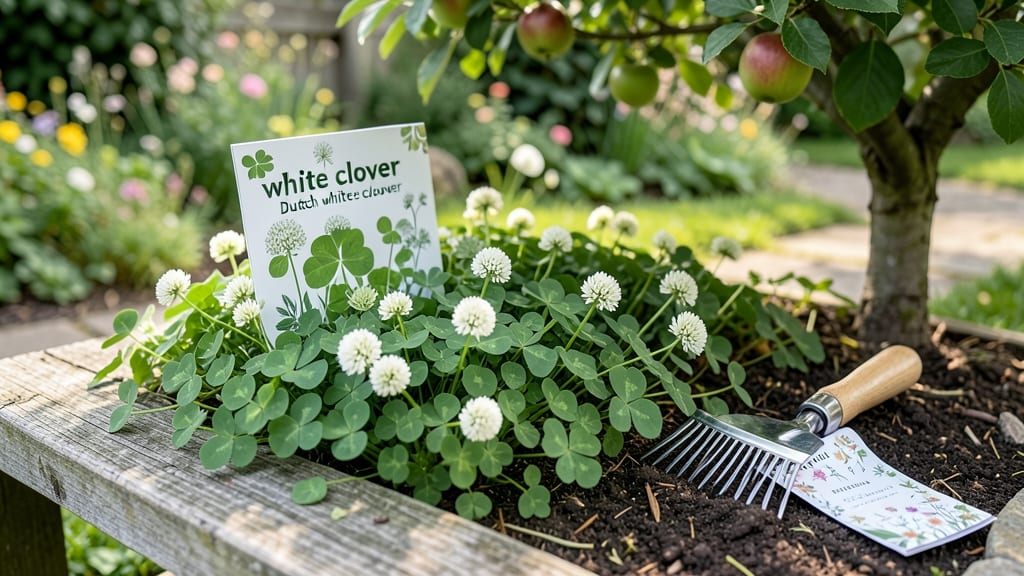
If you're wondering when to plant clover in Massachusetts, timing is the secret to lush, year-round ground cover that improves your soil naturally. This hardy perennial thrives in zones 5b-7a, but getting it right means avoiding frost damage or missed growth windows.
Spring planting (March–May) gives clover a strong start before summer heat, while fall (August–September) often yields better establishment before winter. The key is working with Massachusetts' 165 frost-free days—whether you're in coastal 6a or inland 5b.
I'll break down the best months for your region, soil prep tips, and how to spot planting mistakes that could ruin your clover's potential. Let's get your yard ready for this low-maintenance, nitrogen-rich ground cover.
From avoiding early frost to choosing the right varieties for your microclimate, you'll learn exactly when to plant for maximum success—no guesswork needed.
Ideal Massachusetts clover planting times: spring vs fall breakdown
Massachusetts’ USDA zones 5b–7a create unique challenges for planting clover, but the right timing ensures vibrant, hardy growth. Unlike annuals, clover thrives as a perennial ground cover, so establishing it correctly in spring or fall sets the stage for years of soil enrichment and lush foliage.
Most gardeners swear by fall planting (August–September) because cooler temps and frequent rains help seeds germinate without competing weeds. However, spring planting (March–May) works too—just time it after the average last frost date (April 15) to avoid frost damage.
Here’s the key difference: Fall-planted clover gets a head start on root development before winter, while spring-planted clover races to establish before summer heat. Both methods work, but local microclimates (coastal vs inland) can shift ideal windows by weeks.
| Season | Best Months | Why It Works | Local Tip |
|---|---|---|---|
| Spring | March–May | Warm soil, consistent moisture; avoids summer drought stress. | Wait until soil temps hit 50°F+ (use a soil thermometer). |
| Fall | August–September | Cooler temps reduce weed competition; roots establish before frost. | Plant 6–8 weeks before first frost (Oct 20 avg.). |
| Year-Round | N/A (Not recommended) | Clover seeds need consistent moisture to germinate; winter planting risks frost heave. | Stick to spring/fall for best results. |
For coastal Massachusetts (e.g., Cape Cod, Boston), plant 2–3 weeks earlier than inland areas due to milder winters. Inland zones (e.g., Worcester, Springfield) may extend fall planting into early October if soil stays workable.
Pro tip: Check the Massachusetts Agricultural Extension frost maps annually—they adjust based on La Niña/El Niño patterns. For example, 2023’s early frost in September caught many gardeners off guard!
If you’re overseeding an existing lawn, late summer (August) is ideal because clover outcompetes grass when temps drop. For bare soil areas, early spring (March–April) lets you establish before summer weeds take over.
Remember: Clover’s nitrogen-fixing roots need time to colonize. Rushing planting—like seeding in June or July—often leads to weak stands due to heat stress. Patience pays off with thicker, greener clover by next spring.
For white Dutch clover (fastest spreader) or red clover (deep roots), adjust timing slightly: Dutch prefers spring, while red clover’s fall planting boosts winter hardiness. Always match the variety to your goals!
🌱
Ideal Massachusetts clover planting times: spring vs fall breakdown
Massachusetts gardeners face a critical decision when planting clover: spring or fall? The answer depends on your USDA Zone (5b–7a) and local microclimates. While both seasons work, fall planting often outperforms spring for establishment, thanks to cooler temperatures and fewer weeds competing for resources.
For spring planting, aim for March through May, once the soil warms to 50°F (10°C) and the last frost date (around April 15) has passed. Coastal areas like Cape Cod may plant 2 weeks earlier than inland regions like Western MA.
Fall is the preferred window—plant August through September to give roots time to establish before winter. Seedlings benefit from fall rains and avoid summer heat stress. In Zone 6b, September planting is ideal; in Zone 5b, stick to early August.
🌱 Massachusetts Clover Planting Timeline
| Season | Best Months | Soil Temp | Key Consideration |
|---|---|---|---|
| Spring | March–May | 50°F+ | Post-last frost, weed control |
| Fall | August–September | 60°F+ | Establish before winter |
Regardless of season, avoid planting in extreme heat (>90°F) or during drought conditions. Check Massachusetts Extension Service frost maps for your specific town, as microclimates can shift planting windows by 1–2 weeks.
For coastal gardens, prioritize fall planting—warmer ocean air delays frost. Inland areas should plant early spring to capitalize on summer moisture. Always test soil moisture before planting; dry soil delays germination.
Pro tip: Overseed in late fall (November) for a spring green-up. This two-step approach maximizes coverage and soil health year-round. 🌿