
Plants
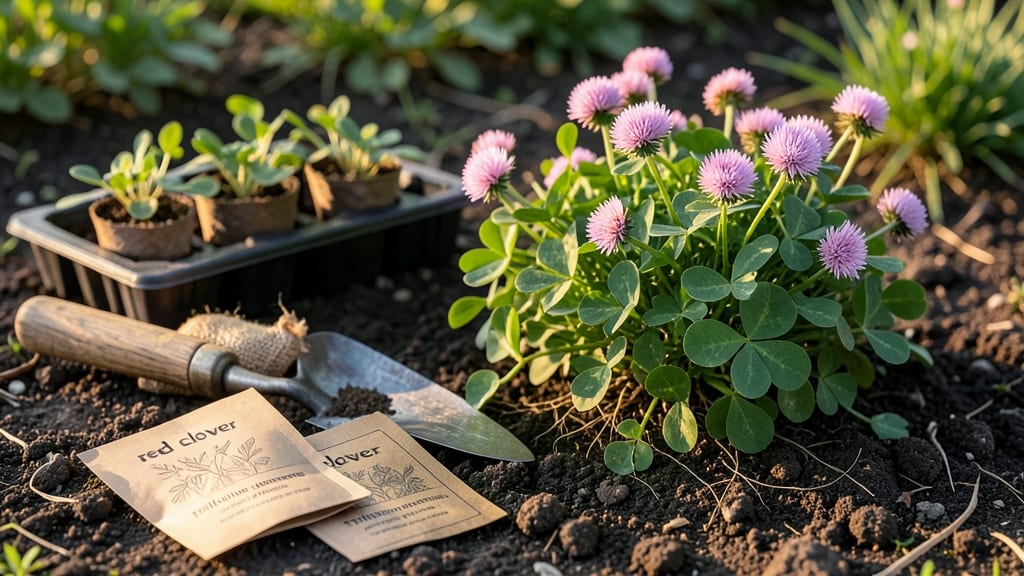
Timing your clover planting in Minnesota isn’t just about the calendar—it’s about reading the soil like a pro. Skip the guesswork, and you could end up with patchy, slow-growing 🌱 clover that never reaches its full potential.
The key? Planting when soil temperatures hit that sweet 50-65°F range, which in Minnesota’s 3b-5b zones often means waiting until late April or late August.
Why does this matter? Because clover seeds need warmth to germinate quickly, and Minnesota’s unpredictable spring frosts can turn your hard work into a sad, frozen memory. I’ve seen gardeners rush planting only to watch their clover struggle—or worse, fail entirely—because they ignored the soil’s temperature cues.
Here’s the good news: with a few simple tricks—like checking soil temps with a thermometer or adjusting for your specific microclimate—you can double your chances of fast, lush growth. Whether you’re planting for forage, soil health, or a pollinator-friendly lawn, getting the timing right is the first step to success.
Let’s break down exactly when to plant in your corner of Minnesota, how to prep your soil for fast germination, and why some years call for a late-summer start instead of spring. Ready to grow clover that thrives?
Optimal soil temperature ranges for planting clover in Minnesota
Clover thrives in Minnesota when planted at the right soil temperatures. Unlike warm-season crops, clover germinates best in cooler soil—typically between 40°F and 65°F. This range ensures strong root development before summer heat arrives.
In northern Minnesota (Zone 3), aim for 50°F+ soil temps, while southern regions (Zone 5) can plant slightly earlier when soil hits 45°F.
Using a soil thermometer is critical—surface temps can mislead. Check 2 inches deep where seeds will sit. Morning readings (after sunrise) are most accurate. In Minnesota’s variable climate, soil temps can swing 10°F+ in a day, so monitor closely.
Pro tip: Black plastic mulch can warm soil by 5-10°F if you need to jumpstart germination.
Different clover varieties have slight variations in their ideal ranges. White clover germinates fastest at 50-60°F, while red clover prefers 55-65°F. Alsike clover, a cooler-tolerant type, can handle 40-50°F soil. Match your variety to your planting window—early spring or late summer—to maximize success rates.
Frost dates complicate timing in Minnesota. Northern regions (Zone 3) often see last frosts in mid-May, while southern areas (Zone 5) may warm up by early April. To avoid frost damage, wait until 3–4 weeks after your area’s average last frost date.
For example, in Zone 4 (Minneapolis), plant white clover in late April when soil hits 50°F—not earlier, even if temps seem warm.
Late summer planting (August–September) is another smart strategy. By this time, soil temps drop to 60–70°F, ideal for red clover. This method avoids summer heat stress and gives seedlings time to establish before winter.
In Zone 3, aim for early September to ensure roots harden before first frost (mid-October). Always test soil moisture too—dry soil slows germination, even at perfect temps.
If your soil runs hotter than 70°F, germination drops sharply. In southern Minnesota (Zone 5), June plantings risk this. Instead, opt for shade cloth or drip irrigation to keep soil cool.
For northern zones (Zone 3), focus on early spring when days lengthen naturally, boosting soil warmth without overheating.
Pro move: Pre-warm cold soil with clear plastic sheets for 1–2 weeks before planting. Lay sheets in full sun to raise temps by 10°F+. Remove them 24 hours before sowing to avoid seed overheating.
This trick is a game-changer in Zone 3, where spring soil can linger near 40°F for weeks.
Remember: Consistency matters. Check soil temps daily for 3 days before planting to confirm stability. Fluctuations above 10°F can stall germination. Pair this with light mulch (straw) to lock in moisture and moderate temps. With these steps, your clover will sprout within 7–14 days, regardless of Minnesota’s whims.
For fastest results, combine soil temp checks with moisture monitoring. Clover seeds need consistent dampness but hate waterlogging. Aim for 1 inch of water per week once sprouted. In dry summers, drip irrigation keeps roots happy without overheating the soil surface.
Now that you’ve mastered soil temps, your next step is aligning planting with Minnesota’s frost-free windows. Each zone has unique deadlines—let’s dive into those next to pinpoint your exact planting calendar.
Best planting windows by Minnesota Zone (3-5) with frost date maps
Minnesota’s USDA Zones 3-5 create distinct planting windows for clover. In Zone 4-5 (southern MN), you can plant as early as late March to May, while Zone 3 gardeners should wait until April to June to avoid frost damage.
Always check your local last frost date—typically mid-April in southern MN and late May in northern regions.
For perennial clover, aim for early spring (April) or late summer (August-September) to establish roots before winter. Annual varieties thrive with late summer planting for fall harvests. Use frost date maps from the MN Department of Agriculture to pinpoint your exact window.
Pro Tip: In Zone 3, cover seeds with black plastic 2 weeks before planting to warm the soil faster. This trick adds 1-2 weeks to your planting season without risking frost damage.
Minnesota Planting Windows by Zone
| Zone | Early Spring Window | Late Summer Window | Last Frost Date |
|---|---|---|---|
| Zone 3 (Northern MN) | May 1-15 | August 15-September 1 | May 20-30 |
| Zone 4 (Central MN) | April 15-May 1 | August 1-August 15 | April 25-May 10 |
| Zone 5 (Southern MN) | March 20-April 15 | July 30-August 10 | April 10-20 |
*Adjust dates 1-2 weeks earlier for south-facing slopes or microclimates.
Late summer planting (August-September) gives clover 6-8 weeks of growth before winter. This method reduces weed competition and ensures stronger root systems by spring. For Zone 5, you can even squeeze in a second planting in early July for fall harvests.
Use companion planting with fast-growing radishes or lettuce to mark your clover rows. These plants mature quickly, giving you a visual cue when soil is warm enough for clover seeds. Always water deeply after planting to encourage germination.
Remember: Soil temperature matters more than calendar dates. Test your soil with a thermometer—clover seeds need 50°F+ to sprout consistently. In Zone 3, wait until soil hits 55°F to avoid slow germination.