
Plants
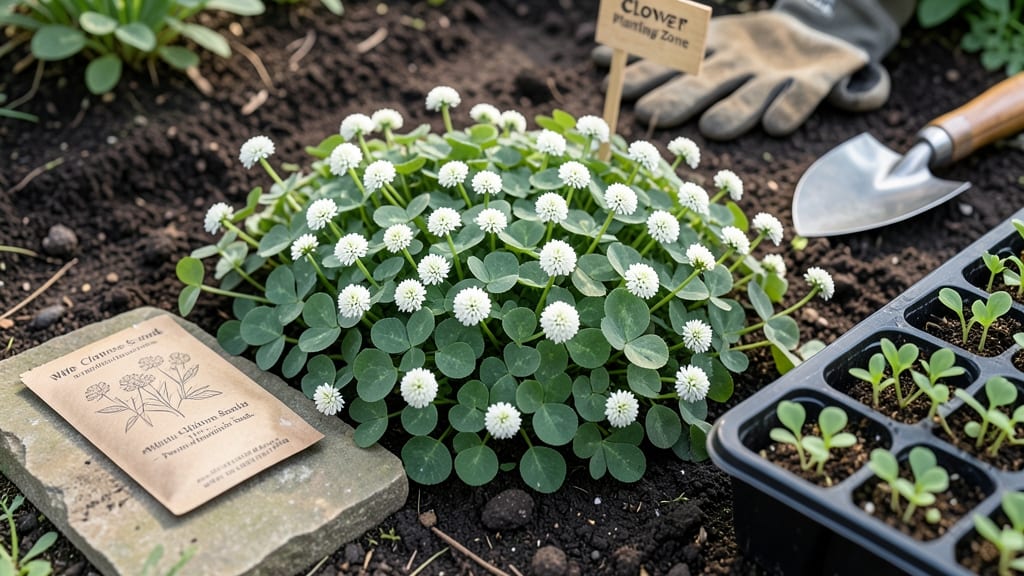
Timing your clover planting in Kentucky can mean the difference between a thriving green cover and months of frustration. With Kentucky's USDA Zone 6a climate—where last frost hits around April 15 and early freezes return by October 15—getting the window right is everything.
Plant too early, and cold soil slows germination. Too late, and summer heat stresses young plants. The key is planting 🌱 clover in early spring (March-April) or early fall (September-October) when soil temperatures hit 50°F—the sweet spot for fast root establishment.
Whether you're improving soil health, controlling erosion, or boosting forage for livestock, perfect timing ensures your clover takes hold quickly. I'll walk you through Kentucky-specific strategies to avoid common pitfalls and maximize your success.
Ready to transform your yard or farm? Let's dive into the exact steps to plant clover at the optimal moments for your region—no guesswork, just results.
Optimal Kentucky clover planting times: spring vs fall breakdown
Kentucky’s USDA Zone 6a climate demands precise timing for clover success. The best windows are early spring (March–April) and early fall (September–October), when soil temperatures hover between 50–65°F and moisture levels are ideal.
These periods maximize germination rates and minimize weed competition, ensuring your clover thrives whether you're planting for soil health, livestock forage, or erosion control.
Spring planting aligns with Kentucky’s last frost date (April 15), giving clover enough time to establish roots before summer heat. Fall planting, on the other hand, capitalizes on cooler temperatures and consistent rainfall in September–October, reducing stress on young seedlings.
Both seasons avoid the extreme heat of summer or frost risks of late fall/winter, which can stunt growth or kill tender shoots.
Here’s how the two seasons compare for Kentucky’s most popular clover varieties: red clover, white clover, and alsike clover. Each has unique timing needs based on growth cycles and regional microclimates—like the humid Bluegrass region vs. drier Western Kentucky.
| Factor | Spring Planting (March–April) | Fall Planting (September–October) |
|---|---|---|
| Soil Temperature | 50–65°F | 55–68°F |
| Ideal Variety | Red, Alsike | White, Crimson |
| Germination Time | 7–14 days | 10–21 days |
| Weed Competition | Moderate (spring weeds) | Low (fall dormancy) |
| Establishment Speed | Fast (6–8 weeks) | Slower (8–10 weeks) |
| Best For | Summer forage, erosion control | Soil improvement, winter cover |
| Kentucky Microclimate Note | Bluegrass: Plant in late March; Western KY: Wait until mid-April | Bluegrass: Early September; Western KY: Late September |
For spring planting, aim to sow seeds 2–4 weeks after your last frost date—typically mid-to-late March in Northern Kentucky and early April in Southern regions. Use a seed drill or broadcast spreader for even coverage, and lightly rake seeds into the top ¼ inch of soil.
In Kentucky’s humid climate, this timing helps clover outcompete weeds before they take over.
Fall planting offers a second chance for gardeners who missed spring. Seed in September (Northern KY) or early October (Southern KY) to allow 4–6 weeks of growth before the first frost (mid-October).
This gives clover time to establish roots while avoiding the heat stress of summer or winter dormancy. White clover, in particular, thrives in fall plantings due to its cold-hardy nature.
Regional adjustments are key: In Western Kentucky’s drier zones, plant 1–2 weeks later than the Bluegrass region to avoid soil crusting from early rains. Conversely, Northern Kentucky’s wetter soils may require earlier planting to prevent waterlogging. Always check your local USDA frost maps for precise dates.
Pro tip: If you’re overseeding clover into an existing lawn, mow the grass short 1–2 days before planting and water deeply afterward. This mimics Kentucky’s
Optimal Kentucky clover planting times: spring vs fall breakdown
Kentucky's USDA Zone 6a climate creates two prime windows for planting clover: early spring and early fall. Each season offers distinct advantages for establishing your cover crop, soil-improving ground cover, or livestock forage.
Let's break down the best times for red clover, white clover, and alsike clover based on soil temperatures and regional microclimates.
For spring planting, aim for March-April after your last average frost date (April 15 in most areas). This gives seeds 6-8 weeks of warm soil before summer heat arrives.
In Western Kentucky, where springs warm faster, you can start as early as mid-February if soil temperatures reach 50°F consistently.
Fall planting offers a second chance for success, with ideal timing between September-October. Planting in fall allows clover to establish roots before winter dormancy, resulting in faster spring growth and reduced weed competition.
In the Bluegrass region, aim for late September to give plants time to root before the first frost (mid-October).
| Season | Ideal Planting Month | Soil Temperature | Key Advantage | Regional Note |
|---|---|---|---|---|
| Spring | March-April | 50-60°F | 6-8 weeks growth before summer | Western KY: Start mid-February |
| Fall | September-October | 55-65°F | Establishes roots before winter | Bluegrass: Late Sept only |
Each clover variety has slight timing preferences. Red clover thrives with spring planting for its fast growth, while white clover—more cold-tolerant—can handle early fall plantings in Northern Kentucky. Alsike clover prefers the cooler fall window to avoid summer stress.
Always check your specific variety's recommendations, as some modern cultivars are bred for extended planting windows.
Pro tip: Use a soil thermometer to confirm temperatures before planting. Clover seeds need consistent warmth to germinate properly. If your soil runs cold (below 50°F), wait until conditions improve—rushing leads to poor establishment and wasted seed.
Remember, Kentucky's variable rainfall plays a role too. Spring plantings benefit from Kentucky's wet springs, while fall plantings align with drier autumns. Always have irrigation ready for dry spells, especially in Western Kentucky's limestone soils that drain quickly.