
Plants
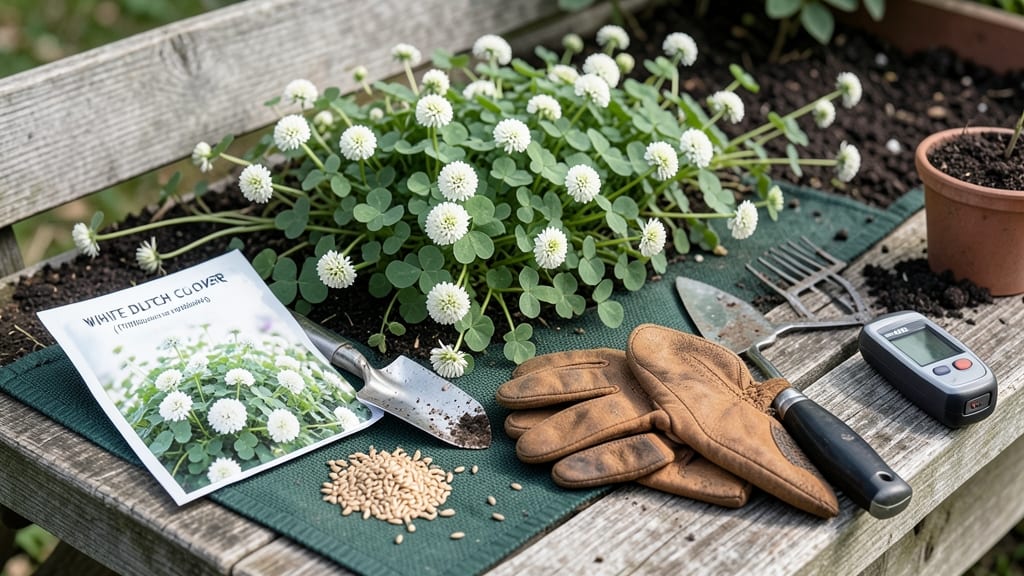
Planting clover at the wrong time in Indiana can turn your lawn into a frustrating guessing game—until you know the exact windows that guarantee fast, thick growth. With USDA zones 5b-6b and unpredictable spring weather, timing is everything for this hardy but fussy plant.
Most gardeners assume spring is the only option, but fall planting actually gives clover a head start by letting roots establish before winter. I’ll break down the critical deadlines for both seasons, so you avoid wasted seeds or weed-infested patches.
Whether you’re seeding a new lawn or repairing bare spots, the right timing means lush coverage in 60 days—not next year. Let’s cut through the confusion and get your clover off to the fastest possible start.
From soil prep tricks to frost-date hacks, I’ll share what works in Indiana’s climate—so you can plant with confidence, not doubt.
Indiana’s best planting windows for clover: spring vs fall deadlines
Indiana’s USDA Zones 5b-6b create a unique challenge for clover growers, where spring planting battles unpredictable frost dates while fall planting races against early freezes. The key? Timing your seeds to align with soil temperatures between 50°F and 70°F—the sweet spot for germination.
Northern Indiana’s cooler microclimates shift these windows earlier by 1-2 weeks compared to southern counties.
For white clover and microclover, the ideal window is March 15 to April 15 in spring, when daytime highs consistently reach 60°F. Red clover, with its larger seeds, benefits from a slightly later start—April 1 to May 1—to avoid early-season drought stress.
But here’s the catch: planting too late in spring risks summer heat stress before roots establish.
Fall planting often outperforms spring in Indiana because cooler temperatures reduce weed competition and allow roots to deeply anchor before winter. Aim for August 15 to September 15—this gives seeds 4-6 weeks of warm soil before first frost (October 15).
Southern Indiana’s longer growing season extends this window to early October, while northern areas should finish by mid-September.
Miss these deadlines, and you’ll face poor germination (seeds rot in cold soil) or weed domination (crabgrass and chickweed thrive in bare patches). The solution? Use a soil thermometer to confirm temperatures before planting—this is my non-negotiable step for Indiana clover success.
| Planting Window | Best For | Soil Temp | Indiana Deadline | Key Benefit |
|---|---|---|---|---|
| Early Spring (March 15-April 15) | White Clover, Microclover | 50°F-60°F | Before April 15 (northern IN) | Fast germination, avoids summer drought |
| Late Spring (April 1-May 1) | Red Clover | 60°F-70°F | Before May 15 (southern IN) | Larger seeds handle heat better |
| Early Fall (Aug 15-Sep 15) | All Types | 55°F-65°F | Before Oct 1 (northern IN) | Deep roots, fewer weeds |
| Late Fall (Sep 15-Oct 1) | Southern IN Only | 50°F+ | Before Oct 15 | Extended growing season |
Microclimates matter in Indiana—even within 50 miles, frost dates can vary by 10 days or more. Check your local Cooperative Extension Service data (like Purdue’s frost maps) to pinpoint your exact window.
For example, Gary (northern IN) might see frost by October 5, while Evansville (southern IN) could wait until November 1.
Another Indiana-specific trick? Plant white clover in late summer (August) if you’re using it as a living mulch—the cooler temps help it outcompete weeds before winter. Red clover, however, needs warmer soil, so wait until September 1 in northern areas.
Always test soil moisture before planting—Indiana’s clay soils can stay too wet in spring, delaying germination.
For container growing, extend your Indiana season by 2-3 weeks using black plastic mulch or seedling trays started indoors. But remember: clover’s nitrogen-fixing roots need real soil to thrive—containers are only a short-term solution.
My top recommendation? Fall planting in Indiana almost always wins for thicker, weed-free stands the following spring.
Finally, pair your clover with companion plants to maximize Indiana’s short growing season. Chicory and alfalfa planted alongside clover create a living cover that suppresses weeds naturally. Just avoid grasses like fescue, which will outcompete your clover for space and nutrients.
Timing is everything in Indiana’s climate—get it right, and you’ll have a lush, self-sustaining clover lawn that outlasts weeds and drought. Miss the window, and you’ll be starting over next year. Mark your calendar now—your clover’s success depends on it! 🌱
Indiana’s best planting windows for clover: spring vs fall deadlines
Timing is everything when planting clover in Indiana, where USDA Zones 5b-6b bring unpredictable frost dates and heavy clay soils. The two best windows—early spring and early fall—align with soil temperatures that trigger germination.
For white clover and red clover, aim for March-April or August-September, but northern Indiana’s cooler microclimates may shift these by 2-3 weeks.
Southern Indiana’s warmer pockets (like Evansville) can plant microclover as early as late February, while northern Indiana (e.g., South Bend) should wait until mid-April to avoid frost damage. Always check your last frost date—typically April 15—and plant 4-6 weeks before for optimal root establishment.
| Planting Window | Ideal Months | Soil Temp Threshold | Notes |
|---|---|---|---|
| Spring Planting | March-April | 50°F+ | Highest germination risk from late frosts; use row covers if needed. |
| Fall Planting | August-September | 60°F-70°F | Preferred for thicker growth; seeds establish before winter. |
| Microclimate Adjustments | ±2-3 weeks | N/A | Southern IN: Plant 2 weeks earlier; Northern IN: Delay by 2 weeks. |
Fall planting in Indiana often outperforms spring because cooler temperatures reduce weed competition and allow clover roots to establish 6-8 weeks before dormancy. Research from Purdue Extension shows fall-planted clover achieves 30% thicker coverage by spring.
For white clover, which thrives in lawns, late August is ideal—just 6-8 weeks before first frost (usually October 15).
If you must plant in spring, prioritize early March for southern Indiana or mid-April for northern areas. Use a seed drill or broadcast spreader for even coverage, and cover seeds with ¼-inch soil to protect them from drying winds.
Avoid planting after May 1, as summer heat stresses young seedlings.
Pro tip: Mix clover seeds with a nitrogen-fixing inoculant (like Rhizobium) to boost growth. Indiana’s clay-heavy soils often lack nitrogen, and clover’s symbiotic bacteria help it thrive without synthetic fertilizers. For lawn clover mixes, combine with fescue or bluegrass to create a low-maintenance, drought-resistant turf.
Remember: Clover’s germination rate drops below 50°F, so always test soil temperature with a soil thermometer before planting. Northern Indiana gardeners should wait until soil warms to 55°F for reliable sprouting.
With the right timing, your clover will outcompete weeds and create a lush, self-sustaining ground cover in just 6-8 weeks.