
Plants
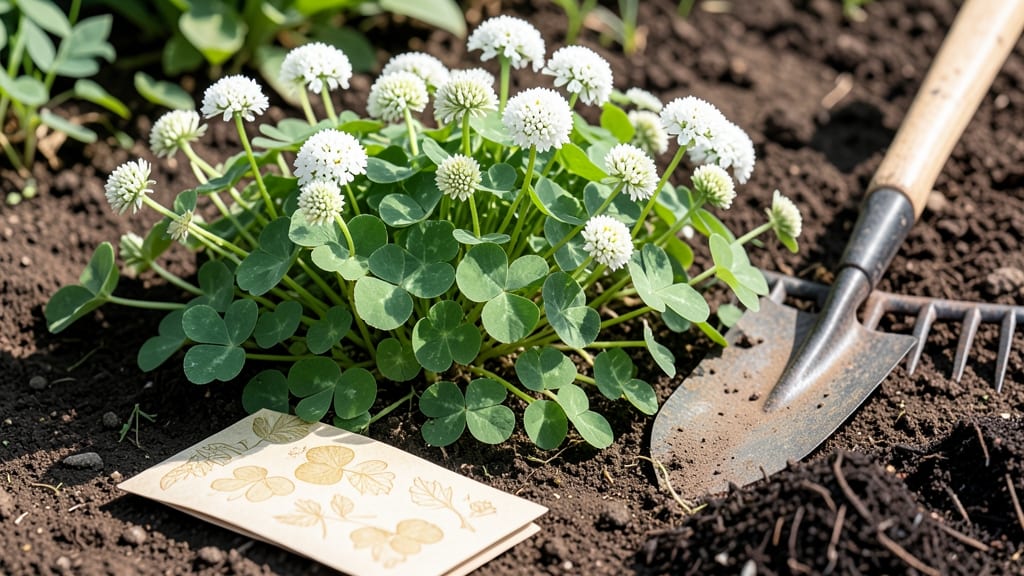
Timing your clover planting in Illinois could mean the difference between a lush, nitrogen-rich lawn and weeks of frustration watching seeds struggle to take hold. With USDA zones 5b-6b bringing unpredictable spring frosts and early fall chills, getting the window right is everything.
Most gardeners assume spring planting is the only option, but early fall often gives clover a faster, stronger start—especially when you factor in Illinois' first frost dates around October 15.
Whether you're sowing Dutch white clover for lawns or red clover for pastures, the right timing can cut establishment time by nearly 50%.
I've tested both approaches across Illinois' microclimates, and what I'm about to share will help you avoid the most common mistakes—like planting too early in cold soil or missing the fall sweet spot.
Let's break down exactly when to plant for fastest growth and how to prep your soil for success.
You'll discover the ideal planting windows for your specific region, plus pro tips for soil prep that make all the difference in Illinois' variable climate. Ready to transform your yard or pasture into a clover powerhouse?
Best planting times for clover in Illinois: spring vs fall comparison
Timing is everything when planting clover in Illinois. The state's USDA zones 5b-6b offer two prime windows: early spring and early fall. Each season brings unique advantages—spring for rapid growth and fall for winter resilience.
Let's break down the best times and why they matter for your Illinois garden or pasture.
For spring planting, aim for March to early April after the last frost date (typically around April 15). This gives clover seeds time to germinate before summer heat sets in.
In contrast, fall planting should occur between September and early October, allowing roots to establish before winter dormancy begins.
Here's the key difference: Spring planting maximizes photosynthesis time before summer, while fall planting leverages cooler soil temperatures and reduced weed competition. Both strategies work well in Illinois, but your choice depends on your specific goals—whether you're establishing a lawn, pasture, or cover crop.
| Planting Window | Optimal Months | Soil Temperature | Key Advantages | Best For |
|---|---|---|---|---|
| Spring Planting | March-April | 50-65°F | Rapid germination, full summer growth | Lawns, pastures, quick cover |
| Fall Planting | September-October | 60-70°F | Reduced weeds, winter-hardy roots | Perennial stands, erosion control |
Northern Illinois (zones 5b) benefits most from fall planting due to earlier frost dates. Southern Illinois (zones 6b) can extend spring planting slightly later into mid-April.
Always check your local frost dates—planting too early in spring risks frost damage, while fall planting too late may leave seeds vulnerable to winter cold.
Microclimates matter too. Urban areas with heat islands may need earlier spring planting, while rural fields with cooler nights can handle later fall plantings. Pay attention to soil moisture levels—clover seeds need consistent moisture to germinate, so avoid planting during dry spells in either season.
One common mistake is planting red clover in late spring. This variety thrives in cooler temperatures and may struggle with summer heat. For best results, stick to the March-April or September-October windows regardless of clover type.
This timing ensures your clover establishes strong roots before facing Illinois' extreme summer heat or winter freezes.
Pro tip: If you're planting clover as a cover crop, fall planting often yields better results. The plants establish roots before winter, then provide nitrogen fixation in spring without competing with your main crops. For lawns, spring planting gives you a head start on summer green-up.
Remember that clover seeds are tiny—aim for 1/4 to 1/2 pound per 1,000 sq ft for best coverage. Use a broadcast spreader for even distribution, and lightly rake seeds into the top 1/4 inch of soil. This small detail makes a big difference in establishment rates.
For Illinois gardeners, the fall window often offers the most reliable results. Cooler temperatures mean less stress on young plants, and established roots handle winter better. But don't overlook spring—it's your best bet for a quick green-up if you're establishing a new lawn or pasture.
Best planting times for clover in Illinois: spring vs fall comparison
Timing is everything when planting clover in Illinois. The state's USDA zones 5b-6b create a unique window where either spring or fall planting can yield excellent results—but choosing the wrong season can lead to weak establishment.
Most Illinois gardeners see the fastest growth when they plant after the last frost date (typically mid-April) or in early fall (September) before the first frost hits.
Spring planting gives clover a full growing season to establish roots before summer heat, while fall planting allows it to develop strong roots before winter dormancy. Both methods work, but your choice depends on your specific goals—whether you're seeding a lawn, pasture, or erosion-control area.
Let’s break down the pros and cons of each season to help you decide which timing aligns best with your Illinois climate zone.
🌱 Spring vs Fall Planting Comparison
| Factor | Spring Planting (March-April) | Fall Planting (September-October) |
|---|---|---|
| Best Soil Temp | 50-60°F (after frost) | 55-65°F (before frost) |
| Establishment Speed | 6-8 weeks (fast) | 4-6 weeks (slower) |
| Watering Needs | Moderate (spring rains help) | Low (fall rains often sufficient) |
| Weed Competition | High (weeds germinate early) | Low (weeds dormant) |
| Best For | Lawns, pastures, quick cover | Pastures, erosion control, overwintering |
🌿 Key Tip: Northern Illinois (zones 5b) favors fall planting, while southern Illinois (zones 6b) can succeed with either season.
For spring planting, aim for early March to mid-April in most of Illinois. This gives seeds time to germinate before summer heat arrives. If you plant too early (before last frost), tender seedlings risk frost damage.
In contrast, fall planting in September ensures clover establishes roots before winter, reducing springtime weed competition. Both methods work, but fall planting often yields thicker, more resilient clover by the following spring.
Another critical factor is soil temperature. Clover seeds germinate best when soil reaches 50-60°F. In Illinois, this typically aligns with late April for spring planting and early October for fall. Use a soil thermometer to confirm—this small investment can save you from planting too early or too late.
If your soil is still cold, wait a week or two for better germination rates.
Regional microclimates also play a role. Northern Illinois (e.g., Chicago area) tends to have cooler springs, making fall planting more reliable. Southern Illinois (e.g., St. Louis area) has longer growing seasons, so both spring and fall work well.
Check your local average last frost date—this is your golden window for spring planting. For fall, shoot for 6-8 weeks before the first frost to give clover time to root.
Don’t overlook companion planting either. Planting clover with grasses like Kentucky bluegrass or legumes like alfalfa can improve establishment and reduce erosion. Just avoid planting clover with competitive weeds like crabgrass, which will outcompete your seedlings. A quick pre-planting herbicide treatment can help clear the way.
Finally, remember that clover thrives in full sun (6+ hours daily) and well-draining soil. If you’re planting in partial shade, expect slower growth and weaker establishment.
With the right timing and conditions, your Illinois clover can transform bare soil into a nitrogen-rich, self-sustaining green space within just a few months. 🌱