
Planting
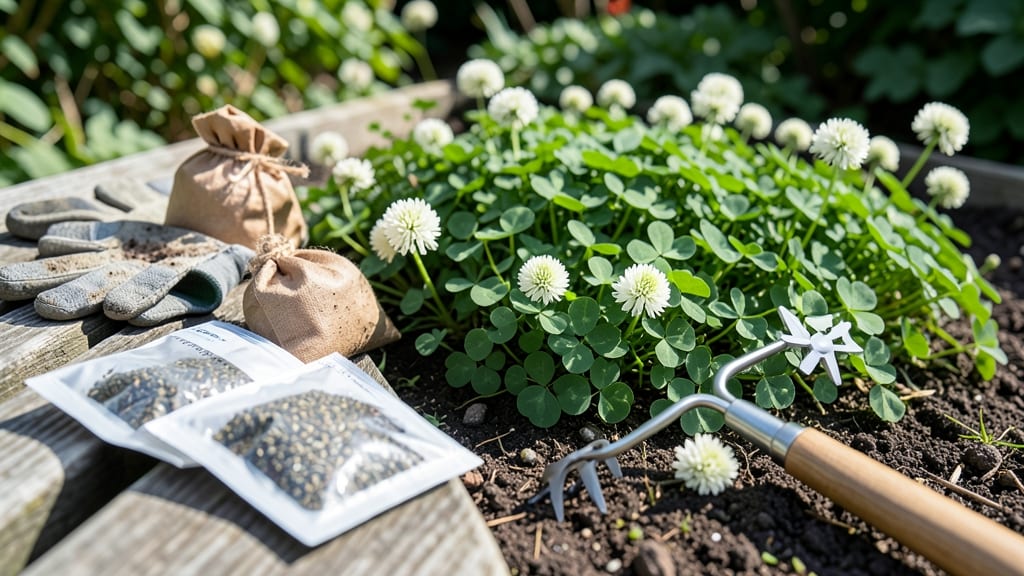
Planting clover in your lawn at the wrong time can mean the difference between a fast-spreading, drought-resistant ground cover and a slow, struggling patch that never quite takes off. The best planting window isn’t just about the calendar—it’s about soil temperature, moisture, and even your local climate zone.
If you’re in USDA Zone 6a, like many gardeners in the Midwest, early spring or early fall are your golden opportunities. But here’s the catch: timing isn’t one-size-fits-all. Cool-season clover thrives when soil temps hover between 50-65°F, while warm-season varieties need a slightly different approach.
Get this right, and you’ll see roots spread quickly—before weeds or heat get in the way.
I’ve seen firsthand how a 2-week difference in planting can change the outcome of a lawn. Too early, and frost can stall growth; too late, and summer’s heat dries out seeds before they sprout.
Let’s break down exactly when to plant for maximum success, plus the prep steps that make all the difference.
Whether you’re starting fresh or repairing thin patches, this guide will help you choose the perfect window—no guesswork, just lush, self-sustaining clover that stays green year after year.
Optimal planting seasons for clover in lawns: spring vs fall comparison
Planting clover at the right time can mean the difference between a thick, drought-resistant lawn and a patchy, struggling ground cover. Most gardeners swear by early spring or early fall as the best windows, but your USDA hardiness zone and local climate play huge roles in success.
Let's break down the pros and cons of each season so you can choose the perfect timing for your yard.
In spring planting (March-April), you'll catch the warm soil temperatures that clover loves for germination. The downside? Weeds also wake up early, competing for nutrients and space. Fall planting (September-October) gives clover a head start on root growth before winter dormancy, but cooler soils may slow initial sprouting.
Both seasons work—it's all about your local conditions.
Here's how they compare in key areas like root establishment, weed competition, and watering needs:
| Factor | Spring Planting | Fall Planting |
|---|---|---|
| Ideal Months | March-April | September-October |
| Soil Temp | 50-65°F | 50-65°F |
| Root Growth | Moderate (warmer later) | Excellent (6-8 weeks) |
| Weed Competition | High early season | Low (weeds dormant) |
| Water Needs | Moderate (spring rains) | Critical (fall droughts) |
| Establishment Time | 6-8 weeks | 4-6 weeks |
| Best For | Warm climates | Cool climates |
For USDA Zones 5-7, fall planting often wins because cooler temperatures reduce stress on young plants. In Zones 8-10, spring planting gives clover time to establish before summer heat. Pro tip: Check your local frost dates—plant clover 4-6 weeks before the first expected frost for fall success.
Your lawn's current condition matters too. If you're overseeding an existing grass lawn, spring gives clover time to compete before summer dormancy. For bare soil, fall planting lets roots establish before winter. Test your soil's pH (6.0-7.0 ideal) before planting—clover struggles in acidic conditions.
Regional variations matter. In the Pacific Northwest, fall planting often works better due to mild winters. In the Southeast, spring planting avoids fall humidity that promotes fungal diseases.
Always aim for consistent moisture after planting—clover seeds need 1/4 inch of water daily for the first 2 weeks to germinate properly.
One mistake I see often? Planting too late in spring or too early in fall. If your area has hot summers, avoid planting after May 15th—clover can bolt in extreme heat.
In fall, don't wait past October 1st in most regions, or young plants won't have time to establish before winter.
For maximum success, combine proper timing with light raking to expose soil, seed-to-soil contact, and a thin layer of mulch to retain moisture. Remember: Clover fixes nitrogen in the soil, so the more it establishes, the healthier your lawn becomes over time.
🌱
How to choose the perfect planting window for maximum root spread
Selecting the right time to plant clover isn’t just about picking a month—it’s about soil temperature, moisture levels, and even your local weather patterns. Cool-season clover, like white clover or red clover, germinates best when soil temps are between 50-65°F.
Use a soil thermometer ($10 at garden centers) to check before planting.
In USDA Zone 6a, aim for early spring (March-April) or early fall (September-October). These windows give clover 6-8 weeks of warm soil before summer heat or winter frost sets in.
For example, planting in late April might work in cooler regions, but in hotter zones like Zone 7+, shift to September to avoid drought stress.
Here’s how to pinpoint your exact window: Monitor rainfall forecasts for consistent moisture—clover seeds need 1/4 inch of water weekly to germinate. If your area is dry, water deeply 2-3 days before planting to prep the soil. Avoid planting after heavy rain, as waterlogged soil can suffocate seeds.
- 🌡️ Soil Temp Check: Use a thermometer to confirm 50-65°F at 2" depth.
- ☀️ Sunlight: Plant in areas with 4-6 hours of sun daily.
- 💧 Moisture: Aim for 1-2 inches of rain or irrigate weekly.
- 📅 Frost Dates: Plant 4-6 weeks before first frost (e.g., Sept 15 in Zone 6a).
- 🌱 Seed Prep: Soak seeds 4-12 hours in water before planting for faster germination.
Don’t overlook weed competition—plant clover when weeds are dormant. In spring, weeds like crabgrass explode after soil warms to 60°F, so time your planting for late March to outpace them. In fall, weeds slow down as temps drop, giving clover a head start.
Pro tip: If you’re over-seeding existing lawns, mow short (1-1.5 inches) 2 days before planting. This ensures seeds make direct contact with soil. Lightly rake the area to create 1/4-inch furrows for better seed-to-soil contact.
Once planted, keep seeds moist but not soggy for 2-3 weeks—this is when roots establish. Use a light mulch (straw, not wood chips) to retain moisture and block weeds. Avoid walking on the area until clover reaches 2 inches tall to prevent seed displacement.