
Trees
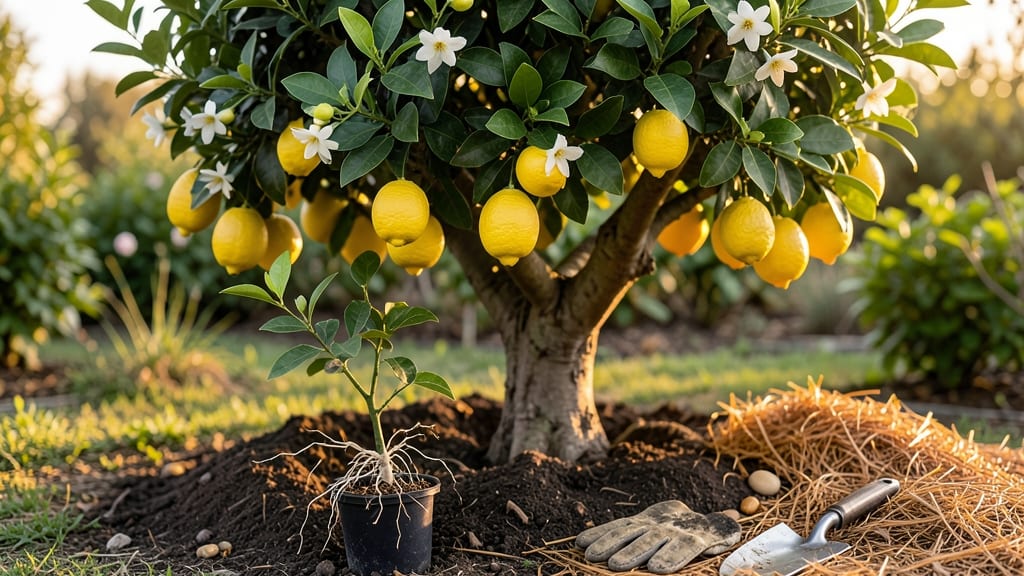
If you’ve ever dreamed of harvesting your own fresh 🍊 from a thriving citrus tree in Florida, timing your planting is the game-changer between success and struggle.
The best time to plant citrus trees in Florida isn’t just about the calendar—it’s about aligning with the state’s unique heat zones and seasonal rhythms to give your tree the strongest start possible.
Florida’s frost-free climate means you can plant citrus year-round, but late winter to early spring (February–March) remains the gold standard for a reason. During these months, temperatures are mild, rainfall is steady, and your young tree can establish roots before summer’s intense heat arrives.
Skipping this window could leave your citrus vulnerable to stress, disease, or even failure to thrive.
What makes Florida’s citrus-growing season so special? Unlike northern climates, you won’t have to worry about frost damage, but you will need to account for regional microclimates—from the humid coasts of Zone 8A to the drier inland areas of Zone 11.
I’ll break down exactly how to match your planting schedule to your specific corner of the state, plus pro tips for soil prep and long-term care that keep your tree bearing fruit for decades.
Ready to turn your yard into a citrus paradise? Let’s dive into the science-backed strategies that’ll help your tree grow strong, resist pests, and reward you with juicy oranges, tangy lemons, and everything in between—no matter where in Florida you call home.
Florida’s heat zones: best planting months by region
Florida’s 11 heat zones (8A-10B) create dramatic differences in citrus planting success. Unlike northern climates, Florida’s frost-free winters and humid summers mean you can plant year-round—but timing still matters to avoid heat stress or fungal diseases.
Let’s break down the best months for each zone, including my top recommendations for root establishment before summer’s intensity.
In North Florida (Zones 8A-8B), like Jacksonville and Gainesville, your optimal window is February to early March. This gives young roots time to settle before summer’s 90°F+ temperatures.
For Central Florida (Zones 9A-9B), including Orlando and Tampa, late January to March works best—avoid planting after April 15 when citrus greening risks spike.
Meanwhile, South Florida (Zones 10A-10B), from Miami to Key West, can plant year-round, but September to November is ideal to escape the wet season’s fungal threats.
🌱 Florida Citrus Planting Guide by Heat Zone
| Zone | Best Months | Avoid | Key Consideration |
|---|---|---|---|
| 8A-8B (North FL) | Feb–Mar | May–Oct | Fungal risks peak in summer |
| 9A-9B (Central FL) | Jan–Mar | Apr–Jun | Citrus greening spreads fast |
| 10A-10B (South FL) | Sep–Nov | Dec–Feb | Hurricane season disrupts root growth |
🌿 Pro Tip: Use root stimulants if planting outside these windows.
If you’re in Zone 8A, like Tallahassee, late winter (Feb-Mar) is critical—this avoids the brief frost risks (yes, they happen!) and gives roots time to establish before summer’s oppressive heat.
In Zone 10A, like Fort Lauderdale, September planting lets you skip the wet season’s downpours while still benefiting from warm soil temperatures. I’ve seen dwarf varieties thrive when planted in late fall here, thanks to their shorter establishment time.
For container-grown citrus, timing is less critical—but avoid summer planting in Zones 8A-9B. Containers dry out faster, and young roots struggle to recover from midday heat stress.
If you must plant in summer, use 50% shade cloth for the first 4-6 weeks and drip irrigation to keep soil moisture consistent. I once planted a Meyer lemon in July in Orlando with these precautions, and it’s now 5 years old and fruiting!
One mistake I’ve seen new growers make is planting too late in fall. While September-October works well in South Florida, North Florida growers should wrap up by mid-October to avoid winter’s occasional cold snaps.
Even in Zone 10B, December planting risks root rot from excess rainfall—so always check your local rainfall forecasts.
For bare-root citrus trees, the earliest you should plant is January in North Florida—any earlier, and dormant roots may not wake up fast enough.
In South Florida, bare-root trees can go in any month, but potted trees (which have established roots) are my top recommendation for summer planting.
Don’t overlook microclimates—even within a single zone. For example, coastal areas like St. Augustine (Zone 8B) have milder winters than inland Gainesville (Zone 8A). If you’re near the coast, you might safely plant into early April, while inland growers should stick to March.
Always observe your local weather patterns for at least 3 years before committing to a planting schedule.
Finally, citrus varieties play a role. Meyer lemons and Calamondins are more heat-tolerant and can handle summer planting better than Valencia oranges, which are more sensitive to heat stress.
If you’re planting Valencia oranges in Zone 9A, stick to February—any later, and you’ll risk blossom drop or poor fruit set.
Ready to plant? Grab your gloves and shovel, and let’s get those citrus roots in the ground at the perfect time! 🌱
Critical factors beyond months: soil, rainfall, and pest risks
Planting citrus trees in Florida isn’t just about picking the right month—it’s also about preparing your soil, managing rainfall, and protecting your tree from pests and diseases that thrive in Florida’s humid climate. Citrus greening and citrus canker are two major threats, but with the right precautions, you can give your tree the best chance to flourish.
Florida’s sandy soils drain quickly, which is great for citrus roots, but they often lack the nutrients and organic matter young trees need. Before planting, I always amend the soil with compost or aged manure to improve fertility and moisture retention.
A soil test is a game-changer here—it helps you adjust pH (ideal range: 6.0–7.0) and identify nutrient deficiencies early.
Now, let’s talk rainfall. Florida’s wet seasons (June–September) can drown citrus roots if they’re not planted in well-draining soil. Overwatering or poor drainage leads to root rot, a silent killer of young trees.
To prevent this, I recommend planting in mounded or raised beds if your soil is heavy clay or sits in a low spot where water pools.
🚨 CRITICAL WARNING: Avoid planting during Florida’s hurricane season (June–November)—flooding and wind damage can uproot young trees or introduce fungal pathogens. If you must plant during these months, choose a sheltered location and use stakes for support.
- Citrus Greening (HLB): Spread by Asian citrus psyllids. No cure—prevent with systemic insecticides and regular tree inspections.
- Citrus Canker: Bacterial disease causing oozing sores. Remove infected leaves immediately and sterilize pruners with bleach.
- Root-Knot Nematodes: Microscopic pests that stunt root growth. Use nematicides or plant marigolds nearby as a trap crop.
Even with the best timing and soil prep, pests like aphids and scale insects can stress young citrus trees. I swear by neem oil sprays for organic control—just mix it with water and apply it in the early morning to avoid harming beneficial insects.
For severe infestations, horticultural oil can smother pests without chemicals.
Finally, mulching is a non-negotiable step. Spread 3–4 inches of wood chips or pine straw around the base of your tree (but keep it 6 inches away from the trunk) to retain moisture, regulate soil temperature, and suppress weeds.
This simple step can reduce watering needs by 30% and keep pests at bay.
By tackling soil health, rainfall risks, and pest prevention head-on, you’ll set your citrus tree up for a lifetime of fruit production—no matter which Florida heat zone you’re in. 🌿