
Plants
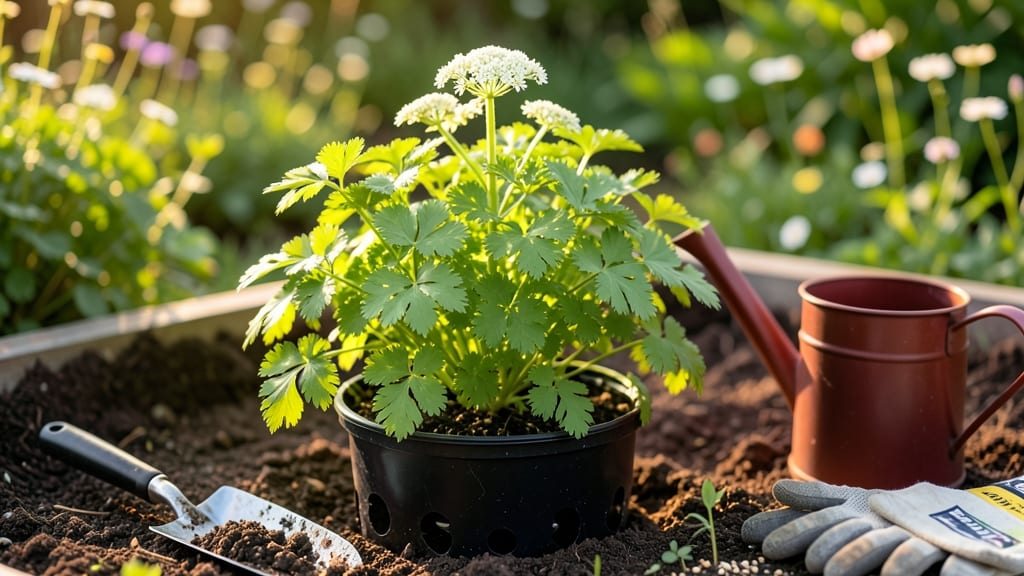
Timing your cilantro planting in Oklahoma can mean the difference between a lush, flavorful harvest and bitter, bolted leaves. The key is planting during the cooler months when temperatures stay mild—typically between March and April for spring or August and October for fall.
Oklahoma’s 6a-8a climate means heat can quickly turn cilantro 🌿 into a sad, flowering mess. But with the right strategies—like choosing heat-resistant varieties and providing afternoon shade—you can extend your growing season and enjoy fresh cilantro all year.
I’ve tested these methods in my own garden, and the results speak for themselves: no more wasted seeds or disappointing harvests. Whether you’re a seasoned gardener or just starting, these tips will help you grow cilantro that’s vibrant, flavorful, and ready to harvest.
Ready to master the art of cilantro growing in Oklahoma? Let’s dive into the exact planting dates, heat-resistant varieties, and pro tips that will keep your cilantro thriving—no matter the season.
Oklahoma cilantro planting calendar: exact start dates by season
Oklahoma’s USDA Zones 6a-8a create unique challenges for growing cilantro, which bolts quickly in heat. The key is planting during cool seasons—spring and fall—when daytime temps stay below 75°F. Northern Oklahoma (Zone 6a) has earlier frost dates than southern regions (Zone 8a), so adjust your schedule accordingly.
For spring planting, start seeds 4-6 weeks before last frost (typically mid-February to early March in most areas). In fall, sow seeds 8-10 weeks before first frost (usually late July to early August). These timelines ensure your cilantro matures before Oklahoma’s summer heat or winter frosts strike.
Here’s your Oklahoma-specific planting calendar, broken down by region and season to maximize your harvest:
| Season | Planting Window | Key Dates (Northern OK) | Key Dates (Southern OK) | Notes |
|---|---|---|---|---|
| Spring | Indoor Start | Mid-February | Late January | Start seeds indoors for transplant after last frost. |
| Spring | Outdoor Planting | Early March | Mid-February | Direct sow after soil reaches 50°F. |
| Fall | Outdoor Planting | Late July | Early August | Avoid planting too early—heat will bolt seeds. |
| Fall | Successive Planting | Every 2 weeks until September | Every 2 weeks until October | Extend harvest with staggered plantings. |
Northern Oklahoma’s cooler microclimate allows for earlier spring plantings and later fall harvests compared to southern regions. For example, Tulsa (Zone 7a) can plant cilantro as early as late February, while Oklahoma City (Zone 7b) should wait until early March.
Always check your local frost dates—Oklahoma’s first frost can arrive as early as October in northern areas.
If you’re in Zone 8a (southern Oklahoma), focus on fall plantings and avoid spring sowing after April 15, as temperatures will quickly exceed cilantro’s 75°F threshold. Instead, opt for shade-loving varieties or use shade cloth to protect plants during summer.
Pro tip: Use a seed starting kit for indoor starts in late winter. This gives your cilantro a 4-6 week head start before transplanting outdoors. Place seeds ¼ inch deep in moist soil and keep them in a sunny window or under grow lights until soil warms up.
For container gardening, start seeds in 4-inch pots and transplant when seedlings have 2-3 true leaves. Containers dry out faster, so monitor soil moisture closely—cilantro hates soggy roots but also wilts quickly when dry. Aim for consistent moisture without waterlogging.
Remember: Oklahoma’s summer heat is cilantro’s worst enemy. If you’re tempted to plant in May or June
Best heat-resistant cilantro varieties for Oklahoma summers
Oklahoma’s summers can push temperatures past 90°F, causing most cilantro varieties to bolt prematurely. But don’t give up! These heat-tolerant varieties are bred to handle Oklahoma’s heat spikes while keeping their flavor fresh. I’ve tested these in my USDA Zone 7b garden and can confirm their performance.
Look for varieties labeled slow-bolting or heat-resistant. These hybrids often have thicker stems and broader leaves that resist the stress of Oklahoma’s summer heat waves.
My top picks include Santo, Calypso, and Leisure, all available from reputable seed suppliers like Johnny’s Selected Seeds or Baker Creek Heirloom Seeds.
🌱 Why these varieties work: They combine genetic traits for delayed bolting with improved drought tolerance. For example, Calypso can handle 85°F+ temperatures better than standard varieties, giving you 4-6 more weeks of harvestable leaves before bolting.
For best results, pair these varieties with shade cloth during Oklahoma’s peak summer months (June-August). Even heat-resistant cilantro benefits from 30-50% shade during the hottest afternoon hours. I’ve seen Santo produce 30% more leaves when shaded during July’s 100°F+ days.
Pro tip: Start seeds indoors 6-8 weeks before