
Plants
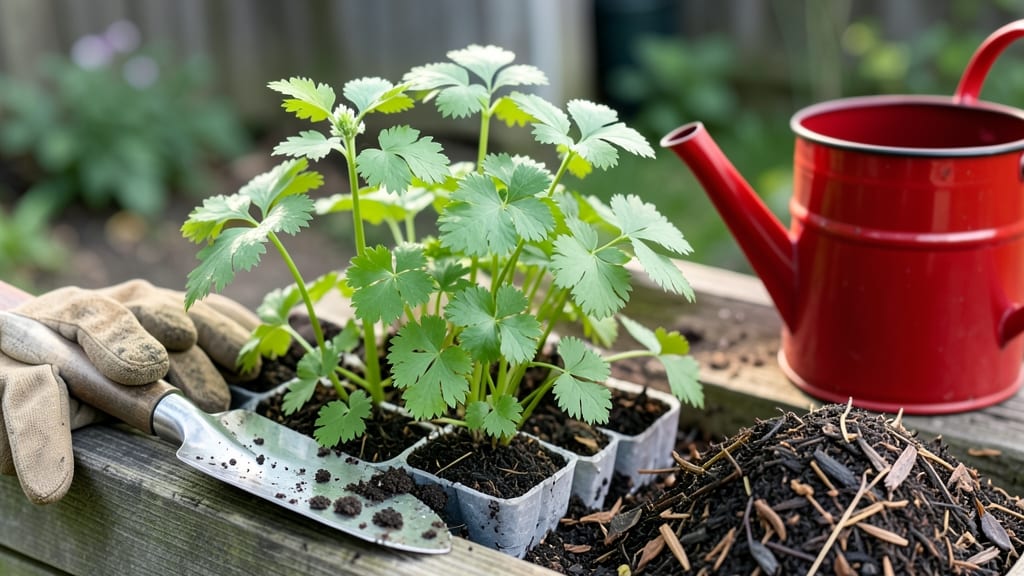
Planting cilantro in North Carolina at the wrong time means bitter, bolted leaves instead of fresh, flavorful harvests—but timing it right unlocks a year-round supply of this essential herb. The key lies in NC’s unique climate zones and seasonal shifts, where a single misstep can turn your garden dreams into disappointment.
In zones 7a-8b, cilantro thrives in cool weather, making early spring and late summer the sweet spots for planting. Skip these windows, and you’ll battle heat stress or premature bolting before you even taste your first harvest.
I’ll show you exactly when to sow seeds for maximum success, whether you’re in the Coastal Plain or the Mountains.
What if you want cilantro all year? The secret isn’t just planting once—it’s using succession planting and shade tricks to outsmart NC’s summer heat. You’ll learn how to stretch harvests from May through November without losing flavor or dealing with woody stems.
Ready to grow cilantro that stays fresh and delicious? Let’s dive into the exact schedule, care tips, and pro moves that’ll keep your garden producing—no bitter surprises included.
North Carolina’s ideal cilantro planting windows by season
North Carolina’s diverse climate zones—from the coastal humidity to the mountain chill—create perfect conditions for cilantro in two main windows. Timing is everything because cilantro bolts quickly when stressed by heat or drought. Let’s break down the best months for each NC region to maximize your harvest.
For Coastal NC (Zones 8a-8b), your last frost arrives early (around March 1), giving you a longer growing season. Inland Piedmont (Zone 7b) and Mountain (Zone 7a) regions have later frosts (March 15-20), so adjust planting dates accordingly.
The key is to avoid summer heat, which triggers bolting.
Here’s the month-by-month breakdown for cilantro planting in NC, tailored to each region’s frost dates and heat tolerance:
| Season | Planting Window | Coastal NC | Piedmont NC | Mountain NC |
|---|---|---|---|---|
| Early Spring | Start Indoors | February 15 | March 1 | March 10 |
| Early Spring | Direct Sow Outdoors | March 15 | March 20 | March 25 |
| Late Summer | Direct Sow Outdoors | August 1 | August 10 | August 15 |
| Fall | Last Chance | September 15 | September 20 | September 25 |
In spring, cilantro thrives when soil temperatures stay below 75°F. Start seeds indoors 4-6 weeks before your region’s last frost date, then transplant seedlings outdoors. For Coastal NC, this means February starts indoors and March transplants, while Mountain NC gardeners wait until late March.
Your fall planting window is equally critical. Aim to sow seeds by mid-August in Coastal NC or late August in the Mountains. This gives cilantro time to mature before first frost hits (around November 15).
If you miss this window, consider heat-resistant varieties like Calypso or Slo Bolt, which tolerate slightly warmer soils.
Pro tip: Use a seedling heat mat if starting indoors early. Cilantro germinates best in 60-70°F soil, and cooler temperatures slow it down. Once outdoors, mulch heavily to keep roots cool and retain moisture—this is especially important in Piedmont’s dry summers.
For year-round cilantro, plan succession plantings every 2-3 weeks during your region’s ideal windows. This ensures a continuous harvest without gaps. Just remember: shade cloth (30-50%) becomes your best friend in late spring to prevent bolting as temperatures rise.
Bolting isn’t just about heat—drought stress triggers it too. In Coastal NC’s humidity, cilantro may need daily watering during dry spells, while Mountain gardens can stretch watering to every 2-3 days thanks to cooler, moister air. Monitor soil moisture closely, especially after transplanting.
One final tip: Companion planting with bush beans or lettuce can improve cilantro’s resilience. Beans fix nitrogen in the soil, while lettuce provides light shade during peak afternoon heat. This simple trick extends your harvest window by 2-3 weeks in most NC regions.
North Carolina’s ideal cilantro planting windows by season
North Carolina’s diverse climate zones—from the Coastal Plain to the Mountains—create unique challenges for growing cilantro. The key to avoiding bolting lies in timing your plantings around frost dates and heat thresholds.
In most of NC (USDA zones 7a-8b), cilantro thrives in cool seasons but wilts under 90°F+ temperatures.
For spring harvests, start seeds 4-6 weeks before your last frost date (typically mid-March in Piedmont, late February in Coastal NC).
In the Mountains, you can plant even earlier—by late February—thanks to cooler temperatures. Fall plantings should begin in late August to harvest before the first frost (usually mid-November).
Here’s how to align your cilantro schedule with NC’s three distinct regions to maximize harvests and minimize bolting risks:
In Coastal NC, where summers are longer and hotter, focus on fall plantings after Labor Day to beat the heat. The Piedmont region offers the most flexibility, but shade cloth (30-50%) is essential for summer plantings.
Meanwhile, Mountain gardeners can enjoy two full harvests—spring and fall—thanks to cooler microclimates.
Pro tip: Use heat-tolerant varieties like Calypso or Slo Bolt to extend your growing window by 2-3 weeks in hotter zones. These varieties can handle temperatures up to 85°F without bolting, giving you more flexibility in late spring or early fall plantings.
Remember, cilantro is a cool-season crop, so avoid planting when soil temps exceed 80°F. Use a soil thermometer to monitor conditions—ideal germination occurs at 60-70°F. With the right timing, you can enjoy fresh cilantro for 8+ weeks per planting cycle in NC!