
Plants
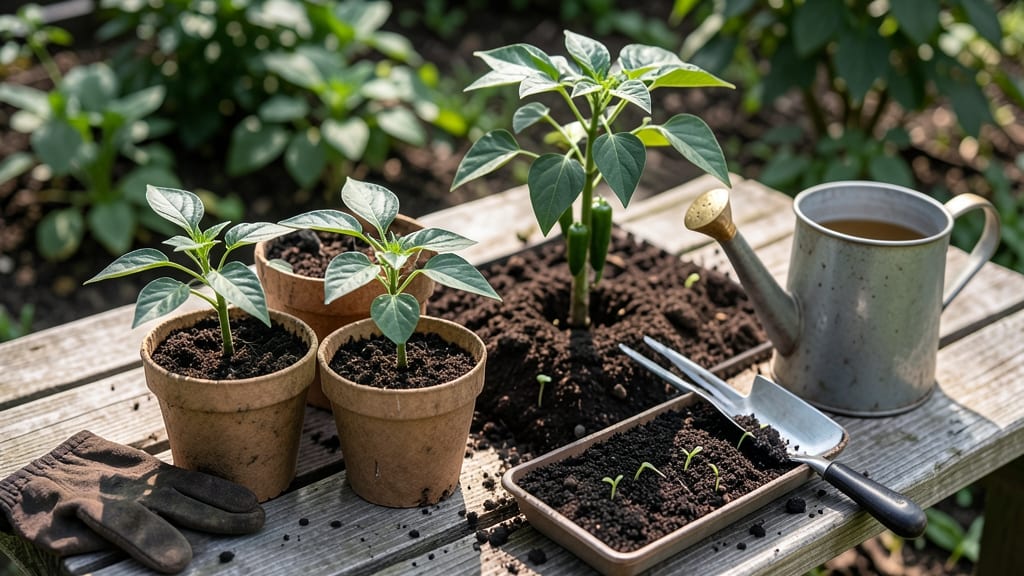
Planting chillies in the UK isn’t just about dates—it’s all about soil temperature, and getting it wrong can mean the difference between a thriving 🌶️ harvest and a sad, stunted plant.
Too early, and your chillies will struggle with cold roots; too late, and you might miss the growing season entirely. But here’s the good news: with the right timing and a few smart tricks, you can grow fiery peppers even in Britain’s unpredictable climate.
Most UK gardeners wait until late April to early June to plant chillies outdoors, but that’s just the start. The real secret lies in soil warmth—chillies need temperatures of at least 12°C (54°F) to thrive, and that’s something you can’t guess from a calendar alone.
Whether you’re sowing seeds indoors or transplanting seedlings, understanding these triggers will help you avoid common mistakes and give your plants the best possible start.
If you’re in London (~8a) or further north, you’ll need to extend the season with cloches or a greenhouse. Meanwhile, gardeners in Cornwall (~9a) might have a slightly longer window—but even there, a late frost can throw everything off.
I’ll show you exactly how to time your planting for success, no matter where you are in the UK.
Ready to unlock a bumper harvest? Let’s dive into the soil temperature rules, regional adjustments, and pro tips that will turn your chilli-growing dreams into reality—even in British weather.
UK chilli planting timeline: soil temperature rules for success
Timing is everything when growing chillies in the UK. Unlike tropical climates, British summers are short and unpredictable, so planting too early risks cold soil shock, while waiting too long cuts your harvest short.
The key? Start when soil temperatures hit 12°C (54°F)—the minimum chillies need to thrive. This usually aligns with late May to early June in most UK regions, but exact dates vary by location and microclimate.
For indoor sowing, begin seeds 8-12 weeks before your last frost date—typically mid-March to early April. This gives seedlings time to mature before transplanting outdoors.
Use a heat mat or sunny windowsill to maintain 20-25°C (68-77°F) soil temperatures, mimicking their tropical origins. Without this warmth, germination slows or fails entirely.
Outdoor planting should only happen after the last frost risk has passed. In southern England, this is usually mid-May, while Scotland and northern areas may wait until late May or June.
Always check your local frost forecast—a late cold snap can devastate young plants. Harden off seedlings gradually to avoid transplant shock.
Here’s a quick regional breakdown to help you plan:
| Region | Last Frost Date | Ideal Outdoor Planting Time | Soil Temp Threshold |
|---|---|---|---|
| Southern England (London, Kent) | Mid-April to early May | Late May | 12°C (54°F) |
| Midlands (Birmingham, Nottingham) | Early May | Early to mid-June | 12°C (54°F) |
| Northern England (Manchester, Leeds) | Late May | Late June | 12°C (54°F) |
| Scotland (Edinburgh, Glasgow) | Late May to early June | Early July | 12°C (54°F) |
| Wales (Cardiff, Swansea) | Early May | Late May to early June | 12°C (54°F) |
If your soil is still below 12°C by June, don’t panic—use container growing or a greenhouse to create a warmer microclimate. Chillies in pots warm up faster than in-ground plants, making them ideal for cooler UK summers. Just ensure containers have drainage holes to prevent waterlogged roots, which chillies hate.
For late varieties, you can push planting to July if you’re using fleece or cloches. These protective covers raise soil temperatures by 2-4°C (3.6-7.2°F), giving chillies a head start. Just be prepared to harvest earlier—late-planted chillies may not fully mature before autumn frosts.
Pro tip: Test your soil temperature with a soil thermometer before planting. If it’s below 10°C (50°F), wait at least a week—chillies won’t absorb nutrients efficiently in cold soil, leading to stunted growth or yellowing leaves. Patience now means a bigger harvest later.
Once planted, monitor your chillies closely for signs of stress. Wilting leaves or slow growth often signal soil that’s still too cool. In these cases, add a layer of mulch to insulate the roots and speed up warming.
With the right timing, your chillies will reward you with bold flavors and fiery heat—even in the UK’s unpredictable climate.
🌱
How to extend the UK chilli growing season with smart techniques
British summers are unpredictable—one day scorching, the next chilly and damp. But with the right tricks, you can push your chilli plants to thrive longer and produce more peppers despite the weather.
The key lies in creating a microclimate that mimics warmer conditions, protecting your plants from late frosts and early cold snaps.
Start by choosing a south-facing spot in your garden, where the wall absorbs and radiates heat. This creates a warmer microclimate that can be 5-10°C warmer than the surrounding area.
If you’re in a cooler region like Scotland, consider greenhouse growing or even a polytunnel to extend the season by 4-6 weeks.
For outdoor growers, fleece protection is your best friend. Use garden fleece or hessian to cover plants when temperatures drop below 10°C (50°F). This simple trick can double your harvest by shielding chillies from chilly nights and early autumn frosts.
- 🌡️ Heat Retention: Use black plastic mulch or straw mulch to absorb sunlight and keep soil 5-10°C warmer.
- 🌿 Cloches: Place mini cloches over individual plants to trap heat and protect from light frosts.
- 🌱 Cold-Hardy Varieties: Opt for early-maturing or cold-tolerant varieties like 'Apache' or 'Hungarian Wax'.
- 🪴 Containers: Grow in black pots to absorb heat or move pots to sheltered spots during cold snaps.
- ☀️ Reflectors: Use white reflective boards to bounce sunlight onto plants, boosting warmth by up to 15%.
If your chillies start struggling in late summer, don’t rush to harvest—try pruning to redirect energy. Remove lower leaves to improve airflow and reduce fungal risks, while pinching back side shoots can encourage bigger peppers.
For indoor growers, extend the season with grow lights to supplement short winter days. Place lights 12-15 inches above plants and run them for 14-16 hours daily to mimic summer conditions. Combine this with regular feeding to keep plants productive until late autumn.
Finally, keep an eye on pests like aphids and whitefly, which thrive in warm, protected environments. Spray plants with neem oil or soapy water every 2-3 weeks to keep them at bay without harming your chillies. With these techniques, you’ll enjoy fresh peppers well into October—or even longer!