
Plants
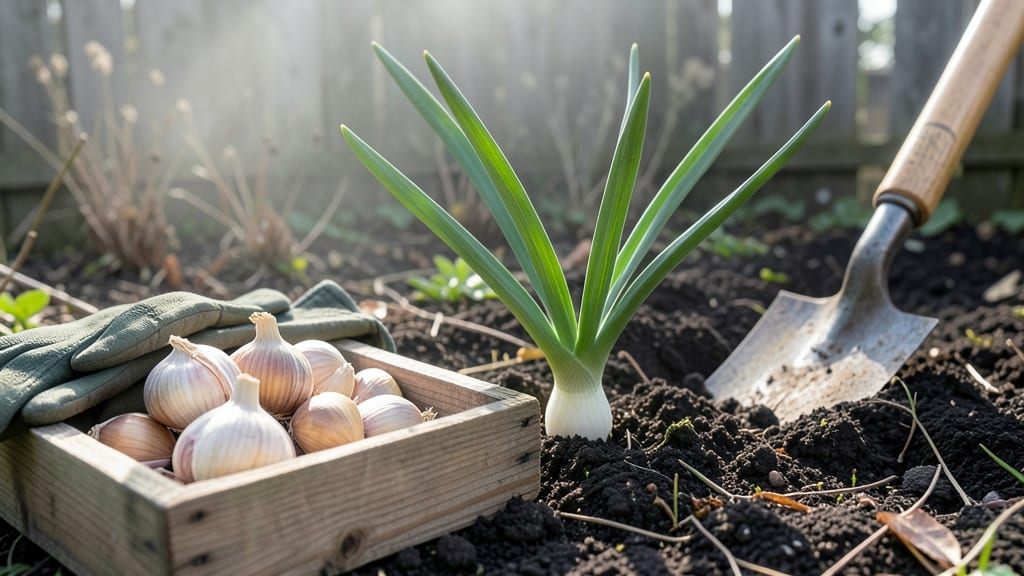
Planting garlic in Alabama at the wrong time can mean the difference between a bountiful harvest of plump bulbs and a disappointing flop in your garden. With USDA zones 7a-8b and Alabama’s unpredictable frosts, timing is everything—and the optimal window starts earlier than you might think.
Most gardeners assume spring is the only time to plant 🧄, but in Alabama, fall planting (between October and November) gives your garlic a head start. The key is getting those cloves in the ground when soil temperatures drop to 40-50°F, allowing roots to establish before winter.
This method often yields larger, more flavorful bulbs than spring plantings.
Why does this matter? Because Alabama’s climate—with its humid summers and variable frost dates—demands precision. Plant too early, and your garlic might rot; too late, and it won’t mature before summer heat sets in.
I’ll walk you through the exact soil temperature triggers and regional adjustments to ensure your garlic thrives, whether you’re in Birmingham’s heat or Huntsville’s cooler nights.
Ready to grow garlic that rivals store-bought? Let’s dive into the step-by-step guide for Alabama gardeners, covering soil prep, frost timing, and even how to pick the right variety for your microclimate. Your best harvest starts now.
Alabama garlic planting calendar: best months based on soil temperature
Alabama’s mild winters and hot summers create a unique window for growing garlic. The key to success lies in planting when soil temperatures drop to 40-50°F—this triggers bulb formation.
For most of Alabama, that means focusing on October through December, with a secondary window in February-March for spring planting.
Timing isn’t one-size-fits-all across the state. Northern Alabama’s cooler microclimates (like Huntsville) can plant slightly earlier, while Southern regions (like Mobile) may need to wait until late October to avoid winter warmth stunting growth. Let’s break down the ideal planting schedule by soil temperature triggers and regional variations.
| Region | Ideal Planting Window | Soil Temp Trigger | Key Consideration |
|---|---|---|---|
| North Alabama (Huntsville, Decatur) | Mid-October to early November | 40-50°F (4-6°C) | Cooler nights allow faster root establishment |
| Central Alabama (Birmingham, Montgomery) | Late October to mid-November | 45-50°F (7-10°C) | Heat retention delays planting; monitor soil temps |
| South Alabama (Mobile, Dothan) | Late November to early December | 50-55°F (10-13°C) | Warmer soils require later planting to avoid winter warmth |
| Spring Planting (Statewide) | February to early March | 50-55°F (10-13°C) | Smaller bulbs; best for green garlic harvests |
For fall planting, aim to get cloves in the ground 4-6 weeks before the first hard frost (typically mid-November). This gives roots time to establish before winter dormancy. Use a soil thermometer to confirm temperatures—garlic won’t thrive if planted in soil warmer than 55°F.
If you miss the fall window, don’t despair. Alabama’s mild winters allow for spring planting (February-March), though bulbs will be smaller. This method works well for green garlic harvests or if you’re short on space. Just be prepared to harvest earlier, around April-May.
One common mistake is planting too early. If you plant in September, the garlic may sprout and bolt before winter, reducing bulb size. Wait until soil temperatures consistently drop below 60°F at night to avoid this.
A simple trick? Press your hand into the soil—if it feels cool to the touch, it’s time to plant.
Alabama’s USDA zones 7a-8b mean we’re lucky enough to grow both hardneck and softneck varieties. Hardnecks (like ‘Music’ or ‘German White’) prefer cooler winters and are ideal for fall planting, while softnecks (like ‘Silverskin’) handle Alabama’s occasional warmth better. Choose based on your microclimate and intended use.
After planting, mulch with 2-3 inches of straw to insulate bulbs during winter temperature swings. This is especially critical in Central Alabama, where daytime warmth can trick garlic into premature growth. Remove mulch in early spring to allow soil to warm and encourage sprouting.
Remember: Garlic needs cold dormancy to form bulbs. If you live in a warmer microclimate (like near Mobile), consider using black plastic mulch to cool the soil faster in fall. This simple hack can extend your planting window by 2-3 weeks.
Pro tip: Plant hardneck varieties in fall for larger bulbs and softnecks in spring if you want storage garlic. Alabama’s climate rewards patience—those who plant at the right soil temperature will harvest plump, flavorful bulbs by late spring. 🧄
How to time garlic planting for Alabama’s microclimates: a county-specific guide
Alabama’s diverse geography means planting times can vary by county—especially between North, Central, and South regions. For example, Huntsville’s cooler nights (Zone 7a) allow earlier planting than Birmingham’s heat retention (Zone 7b-8a). Adjust your schedule based on your local last frost date and soil temperature trends.
In North Alabama (e.g., Madison, Jackson), aim to plant hardneck varieties between October 1-15 when soil temps drop to 50-60°F. These areas experience earlier frost, so don’t wait past November 1.
In Central Alabama (e.g., Montgomery, Tuscaloosa), extend your window to October 15-November 15 for both hardneck and softneck garlic.
Oct 1-15
Oct 15-Nov 15
Nov 1-Dec 15
40-50°F (critical)
Hardneck (North), Softneck (South)
High (North), Low (South)
For South Alabama (e.g., Mobile, Dothan), push planting to November 1-December 15 to avoid winter heat stress. Softneck varieties like Silverskin thrive here, while hardneck garlic struggles with the milder winters.
Always check your local USDA zone—Zone 8a areas (like Montgomery) can handle later plantings than Zone 7a (like Huntsville).
Pro tip: Use a soil thermometer to confirm temps. Garlic roots need consistent 40-50°F soil for 4-6 weeks post-planting. If your soil warms above 55°F too soon, your bulbs may bolt prematurely. Mulch with straw (3-4 inches) to insulate soil and maintain steady temperatures.
Spring planting is riskier in Alabama but possible in February-March for a summer harvest. This works best in Zone 8a regions where frost is rare. However, spring garlic often yields smaller bulbs due to Alabama’s intense summer heat.
Save spring planting for experimental trials or if you missed the fall window.
Don’t let Alabama’s humid summers fool you—garlic needs a cooling period to form bulbs. Even in warm climates, the key is planting early enough for the plant to experience winter’s chill before spring’s heat ramps up. Monitor your garden’s microclimate (e.g., shady spots stay cooler longer) to fine-tune your schedule.