
Plants
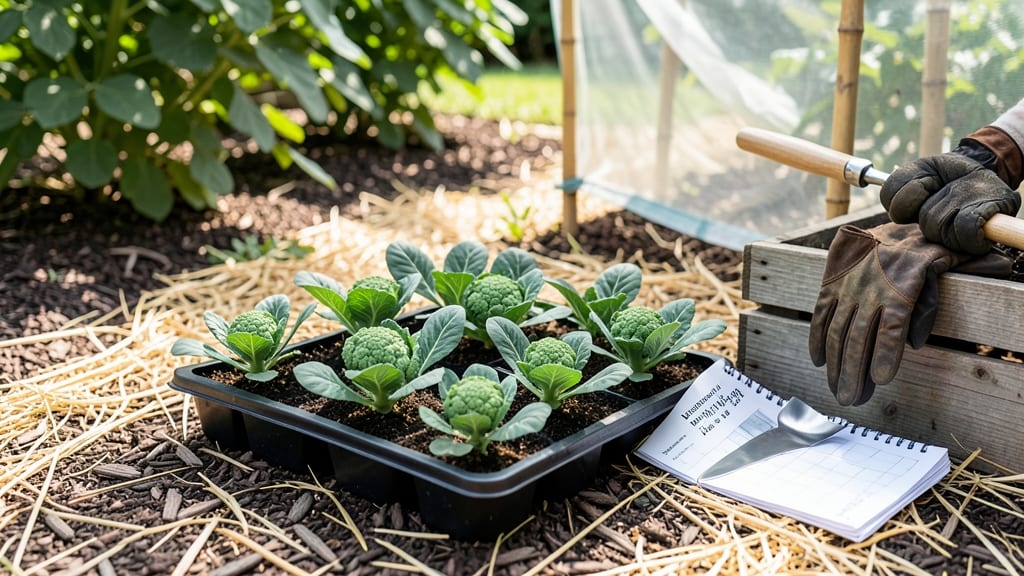
If you’ve ever struggled with bitter-tasting cauliflower or stunted heads in Zone 9b, the problem likely starts with when to plant cauliflower in zone 9b. Planting your 🥬 at the wrong moment—like in the scorching summer heat—can turn your winter harvest dreams into a disappointing mess.
But here’s the good news: with the right schedule, you can grow sweet, firm heads from late fall through spring, even in Phoenix’s desert climate.
For Zone 9b gardeners, the ideal window is late October to early November, when soil temperatures hover between 50-75°F. This timing lets your cauliflower mature before winter’s rare frosts (usually around January 10) and avoids the bolting trigger of summer heat.
The key is working with your local microclimate—coastal areas stay milder longer, while inland spots may need extra shade or mulch to protect young plants.
What you’ll discover in this guide is how to sync your planting with Zone 9b’s unique rhythm: from prepping soil rich in phosphorus to spacing plants just right (18-24 inches apart) for airflow.
I’ll also share my top tricks for extending the season—like using row covers in December or choosing heat-tolerant purple varieties—to ensure your harvest stretches from February through April.
Ready to turn your garden into a cauliflower powerhouse? Let’s dive into the exact steps to time your planting, avoid common pitfalls, and enjoy homegrown heads that rival the grocery store—without the guesswork.
Optimal planting timeline for cauliflower in Zone 9b’s mild climate
Zone 9b’s mild winters and hot summers create a unique challenge for growing cauliflower. Unlike cooler zones, you’ll skip spring planting entirely and focus on a fall harvest to avoid heat stress. The key is timing your 80-100 day varieties to mature before winter temperatures drop below 50°F.
For most of Zone 9b (including Phoenix and Southern California deserts), aim to plant transplants between late October and early November. This gives your plants 60-90 days to mature before the coolest winter months, when growth slows but heads still form.
Soil temperature is critical—cauliflower thrives when soil stays between 50-75°F. In Zone 9b, soil cools naturally in fall, making October the perfect window. Use a soil thermometer to confirm before planting; if temps are still above 75°F, delay until nighttime lows drop.
Here’s the ideal planting timeline for Zone 9b’s climate:
| Stage | Action | Zone 9b Notes |
|---|---|---|
| Soil Prep | Test pH (6.0-7.0), amend with compost | Zone 9b soils often need extra compost due to low organic matter |
| Planting Window | Late October - Early November | Avoid September heat; December plantings risk slow growth |
| Transplant Size | 4-6 weeks old, 6-8 inches tall | Smaller transplants establish faster in cool soil |
| Spacing | 18-24 inches apart | Tighter spacing helps retain soil moisture in dry winters |
| Harvest Window | February - April | Coastal areas may harvest earlier; inland areas later |
If you’re in a coastal microclimate (like San Diego), you can push planting to mid-November—the ocean moderates temperatures, delaying frost risk. But inland areas should stick to early November to avoid unexpected cold snaps.
For direct sowing (less common but possible), start seeds indoors in early September to transplant by mid-October. Seedlings need consistent moisture to prevent legginess, so use a humidity dome or shade cloth during hot afternoons.
Pro tip: Use shade cloth (30-50%) during late afternoon in October to protect young plants from intense Zone 9b sun, which can cause bolting (premature flowering). Remove it by November when days shorten.
Remember, cauliflower is a cool-season crop, so the shorter days of fall trigger head formation. Planting too early (like September) risks heat stress, while planting too late (December) may result in small, underdeveloped heads before winter slows growth.
Optimal planting timeline for cauliflower in Zone 9b’s mild climate
In Zone 9b, where winters are mild and summers scorching, timing is everything for cauliflower success. The ideal planting window is late October to early November, ensuring heads mature before winter chill sets in.
This aligns with the plant’s 60-90 day growth cycle, preventing bolting from residual summer heat.
Soil temperatures must stay between 50-75°F for optimal germination and growth. In Zone 9b, soil warms faster than in cooler zones, so start seeds indoors or use shade cloth to protect young transplants. Transplant seedlings when they’re 4-6 inches tall and soil temps drop below 80°F.
🌱 Cauliflower Planting Timeline for Zone 9b
| Stage | Action | Notes |
|---|---|---|
| Late August - Early Sept | Start seeds indoors | Use grow lights; keep soil at 70°F |
| Late Sept - Early Oct | Hardening off seedlings | Acclimate to outdoor temps over 7-10 days |
| Late Oct - Early Nov | Transplant outdoors | Space 18-24 inches apart; mulch heavily |
| December - January | Monitor for pests | Use row covers if aphids appear |
| February - April | Harvest mature heads | Pick when heads are firm and compact |
For coastal Zone 9b areas (e.g., San Diego), extend planting into early December—cooler maritime air delays bolting. Inland zones like Phoenix should stick to late October to avoid winter heat spikes that can stress plants.
Always check your local frost dates—even Zone 9b sees rare light frosts in January.
If you miss the fall window, spring planting is possible but risky. Start seeds in February for a May harvest, but use shade cloth to protect plants from spring heat. Succession planting every 2-3 weeks in fall ensures a staggered harvest through spring.
Pro tip: Test your soil pH before planting—cauliflower thrives in neutral to slightly alkaline soil (6.5-7.0). Amend with lime if your soil is acidic, which is common in desert Zone 9b soils. A well-draining bed with compost ensures healthy root development.
With the right timing and care, your Zone 9b garden can produce sweet, tender cauliflower heads even in winter’s mild chill. The key? Plant early, mulch thickly, and stay vigilant against pests like cabbage worms that thrive in warm winters. 🌱