
Plants
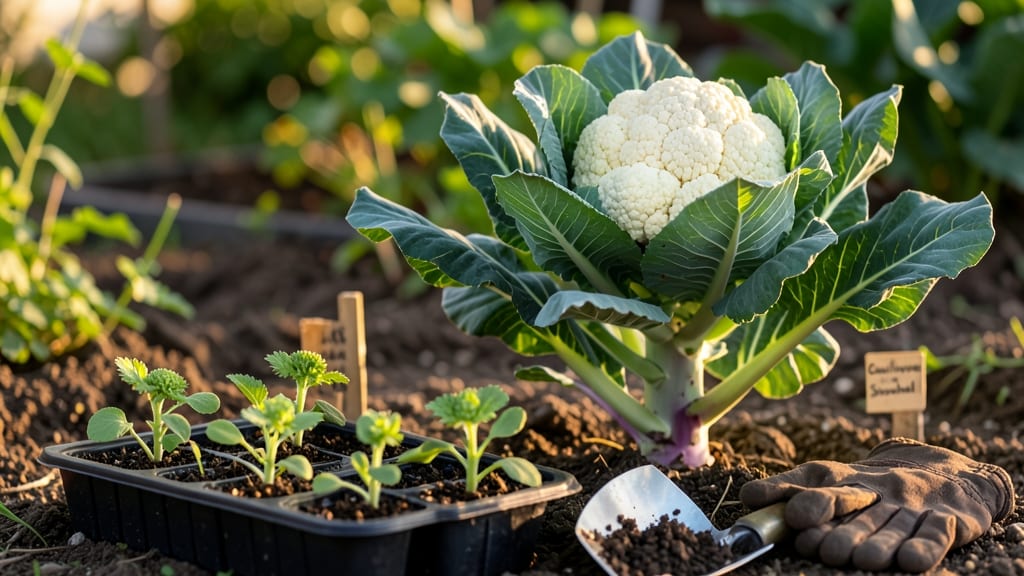
If you're wondering when to plant cauliflower in Ohio, timing is everything—get it wrong, and your 🥬 crop could bolt in the heat or freeze before it matures.
Ohio’s USDA Zone 6a climate gives you two ideal windows: early spring (March–April) or late summer (July–August), but knowing the exact dates keeps your plants thriving.
Spring planting is your best bet, starting 4–6 weeks before Ohio’s last frost date (around April 15). This gives seedlings time to establish roots before summer’s heat sets in. For a fall harvest, aim for late July to early August, ensuring heads mature before the first frost in mid-October.
Direct sowing is possible, but transplanting young plants (4–6 weeks old) often yields better results. Whether you’re a seasoned gardener or new to growing cauliflower, spacing and companion plants—like dill or beans—can make all the difference in Ohio’s unpredictable weather.
Let’s break down the exact frost-free timeline, soil prep tips, and variety recommendations to guarantee a bountiful harvest—no guesswork required.
Ohio cauliflower planting calendar: exact dates by USDA Zone 5b/6a
Cauliflower thrives in Ohio's cool-season climate, but timing is critical—frost kills seedlings, while summer heat causes bolting. In USDA Zones 5b/6a, your frost-free window spans just 165 days, so precise planting dates maximize your harvest.
Start with seedlings or transplants 4-6 weeks before the last frost for spring, or 10-12 weeks before the first frost for fall.
Ohio's average last frost date falls around April 15, but microclimates vary—northern counties (like Toledo) may see frost until May 1, while southern areas (like Cincinnati) can plant by April 1. Always check your local frost date records to avoid risky early planting.
📅 Spring Planting Window: March 15 – April 15 (transplants) or April 1 – April 30 (direct sowing). For early varieties, start indoor seedlings in February under grow lights. Harden off seedlings for 7–10 days before transplanting to 45°F+ soil.
For fall harvests, plant transplants in July (aim for September–October harvests) or direct-sow in August for quick-maturing varieties. Avoid planting after August 15, as heads may form too slowly for first frost (typically October 15).
Use row covers to extend the season by 2–3 weeks.
Ohio’s humid summers can stress cauliflower, so shade cloth (30–50%) helps prevent bolting. Choose compact varieties like 'Snowball Y Improved' (70 days) or 'Purple of Sicily' (85 days) for reliable fall harvests. Space plants 18–24 inches apart to allow airflow and reduce disease risk.
Pro tip: Test soil pH (ideal: 6.0–6.8clay-heavy soils benefit from compost or aged manure to improve drainage. Mix in 1–2 inches of compost at planting to provide nutrients for head formation.
If you miss the primary planting window, try container gardening—grow dwarf varieties in 5-gallon pots on a sunny patio for a small harvest. Just ensure pots have drainage holes and use lightweight potting mix to prevent waterlogging.
Remember: Cauliflower hates heat. If temperatures rise above 80°F during head formation, shade plants with floating row covers or move containers to partial shade. A light mulch layer (straw or shredded leaves) keeps roots cool and retains moisture.
🌱
How to adjust planting times for Ohio’s unpredictable weather
Ohio’s variable frost dates and sudden temperature swings can derail even the best-laid cauliflower planting plans. Unlike more predictable climates, Ohio’s last frost date can shift from April 15 to May 1 in some years, while early frosts in September might sneak in as early as October 1.
To protect your 🥬 crop, I’ve learned to use soil thermometers and local weather alerts to fine-tune planting.
Start by checking soil temperatures—cauliflower roots need consistent warmth above 45°F. If your soil stays cold longer than expected, delay planting until mid-April instead of early March. For fall crops, monitor nighttime temperatures; if they dip below 50°F before harvest, your heads may turn bitter or bolt prematurely.
Another trick I use is the 50-day backup rule. If you plant in early April and a late frost hits, your seedlings may not survive.
To hedge your bets, sow a second batch 2 weeks later—this ensures at least one planting thrives, even if Mother Nature throws a curveball.
For transplants, harden off seedlings indoors for 7–10 days before moving them outside. This gradual exposure toughens them up for Ohio’s unpredictable wind and temperature shifts. If a frost warning pops up after transplanting, cover young plants with frost cloth or old blankets secured with bricks.
Heat tolerance is just as critical as cold hardiness. Cauliflower bolts (prematurely flowers) when daytime temps exceed 80°F for more than 3 days. To avoid this, opt for shade cloth during peak summer or plant in partial shade if your garden gets scorching afternoons.
Mulching with straw also helps keep roots cool.
If your summer stretches unusually hot, switch to heat-tolerant varieties like 'Cheddar' or 'Graffiti'—these handle Ohio’s July–August heat better than traditional types. For fall plantings, aim for mid-July to give heads time to mature before the first frost, typically around October 15.
Finally, keep a gardening journal to track Ohio’s frost dates, soil temps, and harvest windows year after year. Over time, you’ll spot patterns in your microclimate—maybe your backyard frosts later than the county average, or your soil warms faster than neighbors’.
This data turns guesswork into a foolproof planting strategy.
Ohio Weather Warning: Late Frost Risks
- April surprises: Don’t rush spring planting—late frosts can hit until May 10 in northern Ohio.
- Soil vs. air temp: A 60°F day doesn’t mean soil is ready; use a soil thermometer (45°F+ for planting).
- Frost cloth is your friend: Secure it with bricks or stakes to avoid wind damage.
- Heat bolting: If temps hit 85°F+ for 3+ days, shade cloth or mulch is a must.
- Fall backup: Plant a second batch in late July if early August heat stalls growth.
Pro tip: Pair cauliflower with dill or beans to improve resilience—these companions deter pests and shade roots, helping plants weather Ohio’s extreme swings. With these adjustments, you’ll turn Ohio’s unpredictable weather into a harvest guarantee.