
Plants
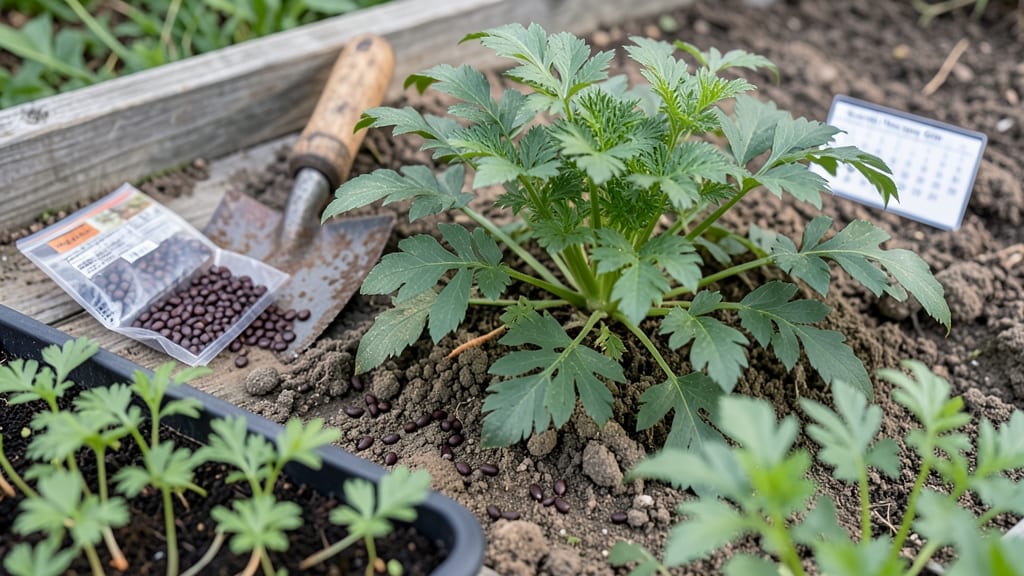
Timing your carrot planting in Seattle can mean the difference between a bountiful harvest of sweet, crisp roots and a disappointing batch of stunted or bitter vegetables.
With our region's cool, wet springs and mild summers, getting the schedule right is key—especially when coastal areas like West Seattle and inland spots like Bellevue have different microclimates.
Most gardeners in Zone 8a know the classic windows—March to April for spring planting and August to September for fall—but Seattle's unpredictable weather adds another layer. Too early, and frost will nip your seedlings; too late, and your carrots might bolt before reaching their full potential.
Let's break down the exact timing that works for your specific corner of the city.
You'll also discover how to adjust for containers versus in-ground planting, since urban gardeners often face different challenges than those with backyard plots.
Whether you're a first-time grower or a seasoned Seattle gardener, these insights will help you plan for a harvest window that stretches from June to November—without the guesswork.
The secret isn't just about dates—it's about understanding soil temperatures, frost dates, and even how your neighborhood's microclimate affects germination. I'll walk you through everything you need to know to grow perfect 🥕 all season long, no matter where you are in the Puget Sound area.
Best planting times for carrots in Seattle: coastal vs. inland climate differences
Seattle’s microclimates create distinct planting zones—coastal areas like West Seattle and Ballard stay cooler and wetter longer, while inland spots like Bellevue or Redmond warm up faster. These differences mean your carrot planting schedule should shift depending on where you live. Let’s break down the ideal windows for each zone.
For coastal Seattle, aim to plant carrot seeds between late March and early April. The soil temperature needs to reach at least 45°F (7°C) for consistent germination.
Inland areas can start slightly earlier—mid-to-late February—since they warm up faster. Always check your local frost dates (typically April 15 for last frost) to avoid cold snaps.
Here’s how humidity and soil moisture play a role: Coastal gardens often struggle with overly wet soil, which can cause rot. Amend your beds with compost or sand to improve drainage. Inland areas may dry out faster, so mulch heavily to retain moisture.
🌱 Seattle Carrot Planting Comparison
| Factor | Coastal Seattle (West Side) | Inland Seattle (East Side) |
|---|---|---|
| Best Planting Window | Late March–Early April | Mid-to-Late February |
| Soil Temp for Germination | 45–50°F (7–10°C) | 40–45°F (4–7°C) |
| Last Frost Date | April 15–May 1 | April 1–April 15 |
| Key Climate Challenge | Excess moisture/rot risk | Drought stress |
| Soil Prep Tip | Add sand/compost | Mulch heavily |
| Fall Planting Window | Mid-August–Early September | Late July–Mid-August |
💡 Pro Tip: Use a soil thermometer to confirm readiness—carrots won’t sprout in cold soil!
Don’t overlook fall planting, which is just as critical. For coastal areas, sow seeds between mid-August and early September to harvest before the first frost (October 15). Inland gardeners can push it to late July since their growing season extends slightly longer.
Choose cold-hardy varieties like ‘Nantes’ or ‘Danvers’ for fall crops—they tolerate cooler temps better than ‘Paris Market’ types.
Another key factor is daylength. Carrots are short-day plants, meaning they bolt (go to seed) faster in long summer days. To delay bolting, plant shade cloth (30–50%) over seedlings during peak sun hours (11 AM–3 PM).
This trick buys you 2–3 extra weeks of harvest time in Seattle’s Zone 8a climate.
If you’re growing carrots in containers, start 2 weeks earlier than in-ground beds. Pots warm up faster and dry out quicker, so monitor moisture levels closely.
Use well-draining potting mix with perlite to prevent rot. For balcony gardens, opt for short varieties like ‘Little Finger’ (4–5 inches long) to avoid overcrowding.
Finally, mark your calendar for succession planting. In Seattle, you can make 3–4 plantings per year: spring, early summer, late summer, and fall. Space them 2–3 weeks apart to ensure a steady supply of fresh carrots.
Just remember: thin seedlings to 2–3 inches apart once they’re 2 inches tall—this prevents forked roots and ensures crisp, straight harvests.
With these timing adjustments, you’ll avoid the #1 mistake Seattle gardeners make: planting too late and ending up with small, woody roots. Next, we’ll cover how to extend your harvest season even further with protective covers and cold-hardy tricks.
Best planting times for carrots in Seattle: coastal vs. inland climate differences
Seattle’s unique climate—cool, wet winters and mild summers—means your carrot planting schedule depends heavily on whether you’re near the Puget Sound or inland. Coastal areas like West Seattle or Bainbridge Island stay cooler and damper longer, while inland spots like Bellevue or Redmond warm up faster.
Let’s break down the ideal planting windows for both microclimates to avoid frost damage or bolting.
For coastal Seattle, aim to plant carrot seeds between late March and mid-April. The soil needs to reach at least 45°F for consistent germination. Inland areas can start slightly earlier—mid-to-late February—since they warm up faster.
Always check your last frost date (April 15 on average), but coastal zones may experience frost into early May.
🌱 Seattle Carrot Planting Comparison
| Factor | Coastal Seattle | Inland Seattle |
|---|---|---|
| Best Planting Window | Late March–Mid-April | Mid-February–Early April |
| Soil Temp for Germination | 45°F+ | 40°F+ |
| Last Frost Risk | Early May | Mid-April |
| Fall Planting Window | Late July–Early August | Early July–Mid-August |
| Key Variety Tip | Cold-hardy types like 'Chantenay' | Heat-tolerant 'Danvers' |
If you’re growing carrots in containers, start seeds indoors 4-6 weeks before your target outdoor date. Coastal gardeners should use black plastic mulch to warm soil faster, while inland growers may need shade cloth during summer to prevent bolting.
Always test your soil—Seattle’s clay-heavy soil can stunt root growth if not amended with compost.
For a second harvest, plant again in late July or early August. Coastal areas can extend this to mid-August, but avoid planting after September 1—your carrots won’t mature before the first frost (October 15). Use row covers to protect late-season plants from unexpected chills.
Pro tip: Direct-sow seeds—carrots hate transplanting. Space them 1-2 inches apart in rows 12 inches apart for easy thinning. Coastal humidity can cause rot, so ensure your soil drains well by mixing in sand or perlite.
Remember, Seattle’s short growing season (only 165 frost-free days) demands precision. Stagger plantings every 2-3 weeks in spring for a continuous harvest—just like the pros do!