
Plants
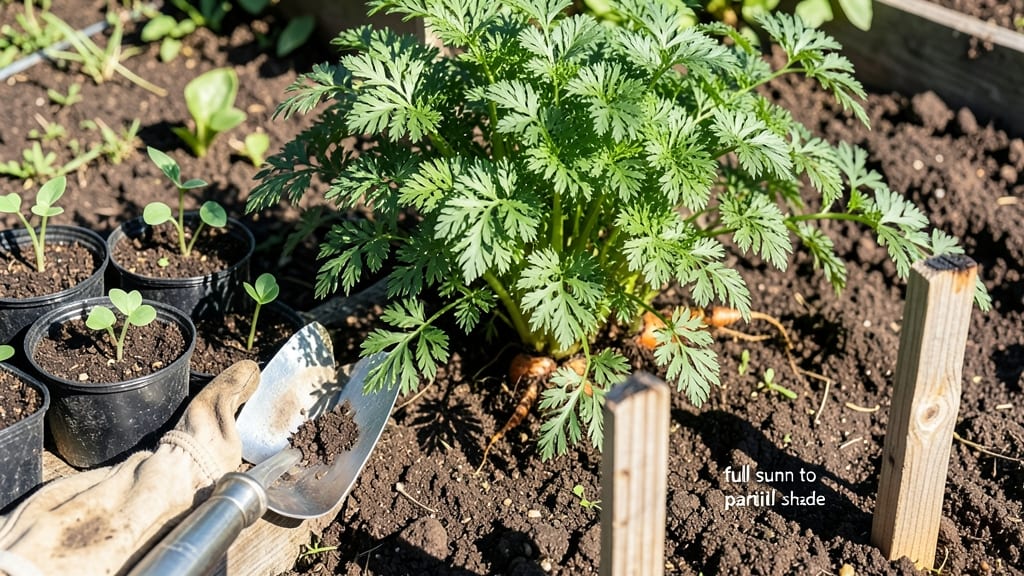
Timing your carrot planting in New York isn't just about the calendar—it's about beating the clock before frost steals your harvest. With USDA Zone 6a conditions, those crisp, homegrown 🥕 you dream of need precise planting windows to thrive.
Planting too early risks stunted growth from cold soil, while waiting too long means bolting before you can harvest. The sweet spot? March through April for spring crops and July through August for fall—when soil temps hit that perfect 50°F threshold.
I’ve tested these windows in my own garden, and the difference between a failed crop and a bumper harvest comes down to understanding frost dates and soil prep. Let me walk you through the exact steps to nail your timing.
From succession planting to avoiding common mistakes, you’ll learn how to stretch your growing season and enjoy fresh carrots from June through November—without the guesswork.
New York carrot planting calendar: month-by-month frost-free guide
Timing your carrot planting in New York is all about avoiding late frosts and maximizing your 165-day frost-free window. Most gardeners focus on spring (March-April) and fall (July-August) plantings, but summer options work too if you choose fast-maturing varieties.
The key is soil temperature—carrots need soil at least 50°F (10°C) to germinate properly.
New York’s USDA zones 5-7 create microclimates where frost dates vary by region. In Upstate NY, last frost typically hits around May 15, while Long Island and Western NY see it earlier (April 15-22).
Always check your local frost dates—they’re your planting deadline anchor. For fall crops, aim to plant 80-90 days before your first frost (October 15 in most areas).
Here’s your month-by-month planting guide, accounting for NY’s variable climate and soil conditions:
| Month | Planting Window | Soil Temp | Frost Risk | Best Varieties |
|---|---|---|---|---|
| February | Indoor starts (4-6 weeks before last frost) | N/A (indoor) | High (use row covers) | 'Paris Market', 'Little Finger' |
| March | Outdoor (after soil reaches 50°F) | 50-60°F (10-15°C) | Moderate (use frost cloth) | 'Danvers Half Long', 'Nantes' |
| April | Primary planting (2-3 weeks before last frost) | 55-65°F (13-18°C) | Low (after April 15) | 'Chantenay', 'Rainbow' |
| May | Succession plant (every 2 weeks) | 60-70°F (15-21°C) | None | 'Golden Ball', 'Purple Haze' |
| June | Late summer varieties (fast-maturing) | 65-75°F (18-24°C) | None | 'Early Nantes', 'Sugar Snap' |
| July | Fall crop (80-90 days before frost) | 60-70°F (15-21°C) | None | 'Autumn King', 'St. Valery' |
| August | Last chance for fall harvest | 55-65°F (13-18°C) | Moderate (use row covers) | 'Paris Market', 'Little Finger' |
For spring plantings, I always start with 'Danvers Half Long'—it’s a reliable 70-day variety that handles NY’s cool soils well. If you’re in Upstate NY with colder soils, wait until mid-April to plant outdoors.
In Long Island, you can push it to early March with row covers.
Summer planting is trickier but possible with shorter-day varieties. Choose 'Early Nantes' (55 days) and plant in late June for a fall harvest. The trade-off? Hot weather can cause bolting (flowering), so keep soil moist and mulch heavily.
I’ve had success using shade cloth during peak afternoon sun to protect seedlings.
Fall plantings are my favorite—they give you crisp, sweet carrots after summer’s heat. Start in July for a September-October harvest, but avoid planting after mid-August unless you’re using row covers.
The soil should stay above 50°F for consistent germination. I swear by 'Autumn King' for fall—it’s disease-resistant and stores well.
Pro tip: Use a soil thermometer to check temps before planting. Carrot seeds won’t germinate below 50°F (10°C), and waiting for 55°F (13°C) gives you faster, more uniform sprouts. If your soil is too cold
How to extend your carrot growing season in New York
New York’s short growing season can feel like a race against time—but with the right tricks, you can enjoy fresh carrots from early summer through late fall. The key? Succession planting and protective tools like row covers or cold frames to shield tender seedlings from late frosts and early chills.
I’ve used these methods in my own Zone 6a garden to stretch harvests by 3-4 months. Start with early spring plantings in March, then follow up with weekly sowings every 2 weeks until mid-June. This ensures a steady supply without overwhelming your space.
🌱 5 Proven Techniques to Extend Your Carrot Season
- 📅 Succession Planting: Sow seeds every 2 weeks from March to June for continuous harvests.
- 🛡️ Row Covers: Use lightweight fabric to protect seedlings from late spring frosts (down to 28°F).
- 🏠 Cold Frames: Extend fall harvests by 4-6 weeks by trapping heat near the soil surface.
- 🌿 Companion Planting: Pair carrots with radishes (they mark rows) or leeks (deter pests).
- 🌡️ Soil Warmers: Lay black plastic mulch in early spring to raise soil temps 5-10°F faster.
For fall plantings, aim for July and August to harvest before the first frost (typically mid-October). Use black plastic mulch to warm the soil and straw mulch to insulate roots as temperatures drop. I’ve had success with ‘Danvers’ and ‘Nantes’ varieties—they tolerate cooler soils better than heat-loving types.
Don’t overlook container gardening for small spaces. Deep pots (12+ inches) work well for short varieties like ‘Paris Market’, and you can move them to sunny spots or even indoors near a south-facing window if needed. Just ensure the container has drainage holes to prevent rot.
Pro tip: Monitor your soil temperature with a cheap probe—carrots need 50°F+ to germinate. If it’s cooler, wait or use a seedling heat mat for 1-2 weeks to jumpstart growth. Patience here pays off with stronger, straighter roots.
With these strategies, you’ll avoid the frustrating gaps between harvests and enjoy homegrown carrots nearly year-round—even in New York’s fickle climate. 🥕