
Companion Plants
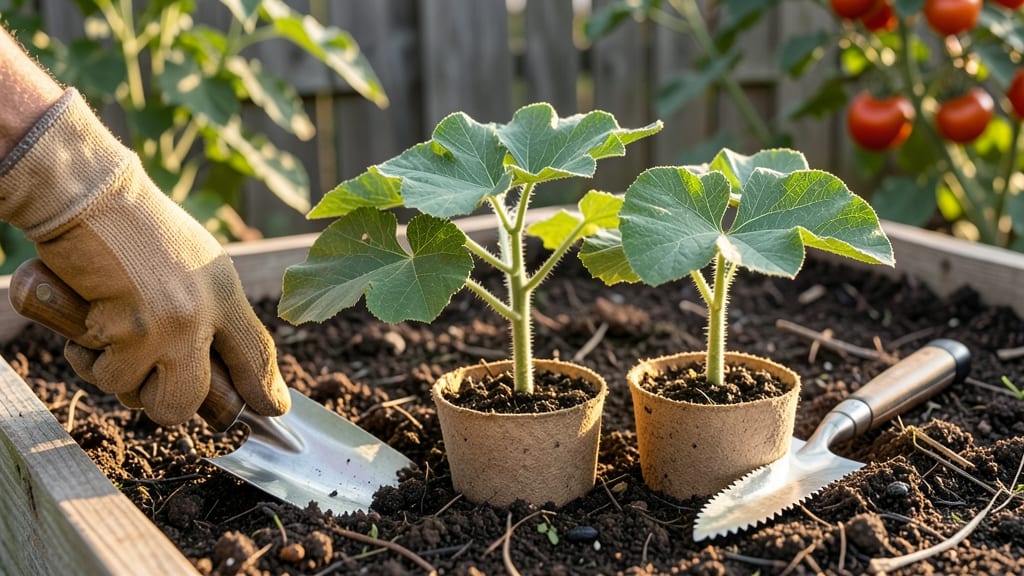
Timing your 🍈 cantaloupe planting in PA can make or break your harvest—one wrong move, and frost will turn your tender vines into sad, wilted memories.
Pennsylvania’s shifting climate zones (5b-7a) mean what works in Philadelphia might fail in Erie, so knowing your last frost date and soil temps is non-negotiable.
Most gardeners here wait until mid-April to early May, but that’s just the starting point. The real secret? Waiting until soil hits 75°F—cantaloupes are warm-season divas that refuse to germinate in cooler dirt.
I’ll show you how to track your region’s frost-free window (typically April 15) and adjust planting dates to avoid black rot while maximizing your July-September harvest.
Whether you’re in the humid Southeast or cooler Northwest of PA, this guide covers everything from transplanting hardened seedlings to using black plastic mulch to jumpstart growth. No more guessing games—just science-backed dates and tricks to turn your garden into a cantaloupe powerhouse.
Ready to ditch the trial-and-error? Let’s break down the exact steps to time your planting perfectly, plus the best cantaloupe varieties that thrive in PA’s short but sweet growing season. Your first sweet, ripe fruit is closer than you think!
PA’s frost-free deadlines & soil temperature rules for cantaloupe planting
Pennsylvania’s diverse climate zones mean your cantaloupe planting window can vary by 3-4 weeks depending on where you live. In Southeastern PA (like Philadelphia), you’ll typically see your last frost around April 15, while Northwest PA (Erie region) often waits until May 1.
These deadlines aren’t just about frost—they’re tied to soil temperature thresholds of 75°F+ that cantaloupe simply won’t tolerate.
Cantaloupe is a warm-season crop that refuses to germinate below 60°F soil temps, and its roots struggle in cool, damp soils, which is why black rot becomes a risk if you plant too early. My rule of thumb?
Wait until your morning soil temps consistently hit 75°F for at least 3 consecutive days before sowing seeds directly. For gardeners in USDA Zone 6b (common in central PA), this usually aligns with late May.
| PA Region | Last Frost Date | Ideal Planting Window | Soil Temp Requirement | Harvest Window |
|---|---|---|---|---|
| Southeast (Philadelphia, Allentown) | April 15 | May 1 - May 15 | 75°F+ (3 days) | July 15 - August 15 |
| Central (Harrisburg, Lancaster) | April 22 | May 10 - May 25 | 75°F+ (3 days) | July 20 - August 20 |
| Northwest (Erie, State College) | May 1 | May 20 - June 1 | 75°F+ (3 days) | August 1 - August 25 |
If you’re eager to get a head start, indoor seed starting is your best bet. Cantaloupe seeds take 7-14 days to germinate, and seedlings need 4-6 weeks of hardening before transplanting.
I always start mine indoors by April 1 under grow lights or on a sunny windowsill. Use biodegradable pots to avoid root disturbance when moving them outside—cantaloupe hates being transplanted.
Pro tip: Use a soil thermometer to monitor temperatures. Bury it 2 inches deep in your garden bed—this is where the seed zone lives. If your soil temp dips below 65°F at night, your seeds won’t germinate, no matter how much you water them.
In cooler PA regions, black plastic mulch can raise soil temps by 5-10°F, giving you that critical edge for earlier planting.
Another common mistake? Planting cantaloupe in low-lying areas where cold air pools. Even if your last frost date has passed, valleys and depressions can stay 10°F cooler than higher ground. Choose south-facing slopes or raised beds to maximize warmth and sunlight exposure.
My best cantaloupe yields always come from beds that get full sun from 8 AM to 6 PM—no compromises.
For gardeners in Zone 6b (like Pittsburgh), consider succession planting in late June for a fall harvest. While cantaloupe won’t ripen before frost, you might get smaller but usable fruit if you use row covers to extend the season.
Just remember: cantaloupe needs 80-90 days to mature, so any late plantings must account for your first frost date (usually October 15 in PA).
Lastly, don’t forget to test your soil pH before planting. Cantaloupe thrives in 6.0-6.8 pH—any lower, and your plants will struggle with iron deficiency (yellow leaves with green veins). Amend your soil with <
How to extend the cantaloupe season in PA: starter tips & cold-protection hacks
Pennsylvania’s cool springs and late frosts can derail cantaloupe dreams, but with smart strategies, you can extend the season and enjoy sweeter harvests. The key is warming soil and protecting young plants until temperatures stabilize—here’s how I’ve done it successfully in my Zone 6b garden.
Start by hardening off seedlings indoors for 10-14 days before transplanting. Use a grow light or sunny windowsill to mimic outdoor conditions, then gradually expose them to outdoor temperatures for 2-3 hours daily. This toughens up seedlings so they can handle PA’s chilly mornings without shock.
🌱
For gardeners in northern PA, consider container growing on patios or decks. Use 5-gallon pots with heat-absorbing dark fabric wrapped around the sides—this can add 1-2 extra weeks of growing time before frost hits.
Pro tip: Monitor soil temperatures with a soil thermometer. Cantaloupe roots need 75°F+ to thrive—if your readings are below 65°F, delay planting or use heat mats under containers. I’ve had 90% success with this method in my Erie County garden.
💧