
Plants
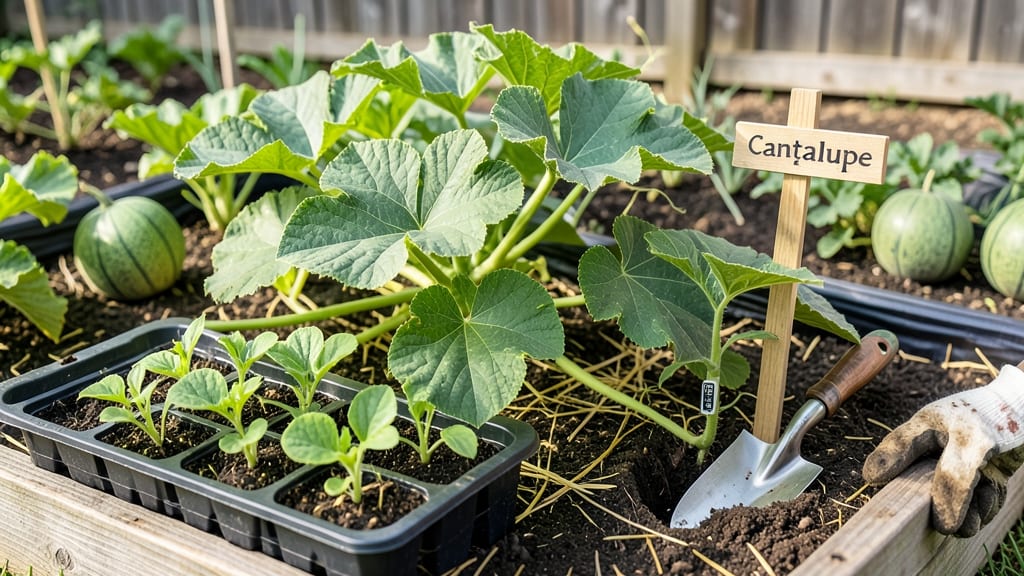
Planting cantaloupe in Alabama’s Heat Zone 8B means the difference between a bountiful harvest and a failed crop often comes down to timing. One late frost or a heatwave can turn your garden dreams into disappointment, but getting the planting window right ensures sweet, ripe 🍈 fruits by summer’s end.
Alabama’s warm climate gives you a short but critical window—typically from late April through early June—to get cantaloupe seeds in the ground. Waiting until after the last frost (usually around March 15) is key, but rushing too early can leave seedlings vulnerable to chilly nights.
The secret? Soil that’s warmed to at least 70°F and nighttime temps consistently above 55°F.
In this guide, I’ll break down the exact dates for your region, whether you’re in North or South Alabama, and share pro tips for extending your growing season. From staggered planting to heat-resistant varieties, you’ll learn how to maximize your cantaloupe yield without the guesswork.
Ready to grow cantaloupes that rival the ones at the farmers’ market? Let’s dive into the perfect planting schedule for Alabama’s climate—and avoid the common mistakes that waste time and effort.
Alabama’s cantaloupe planting calendar: exact dates for zero frost risk
Alabama’s Heat Zone 8B offers a long growing season perfect for cantaloupe, but timing your plantings correctly ensures you avoid both late frosts and scorching summer heat.
The key is planting after your average last frost date—typically mid-April to early May—but also ensuring soil temperatures stay warm enough for germination.
Cantaloupe seeds need soil temperatures of at least 70°F to sprout properly. In Alabama, this usually aligns with late April to early June, depending on your region.
Northern Alabama (like Huntsville) may need to wait until mid-May, while southern areas (like Mobile) can start as early as late March if soil is warm.
Here’s a quick reference for Alabama’s cantaloupe planting windows based on regional microclimates:
| Region | Ideal Planting Window | Soil Temp Requirement | Notes |
|---|---|---|---|
| Northern AL (Huntsville, Birmingham) | Late April - Early May | 70°F+ | Wait for nighttime temps above 55°F |
| Central AL (Montgomery, Auburn) | Mid-April - Late May | 70°F+ | Stagger plantings for extended harvest |
| Southern AL (Mobile, Dothan) | Late March - Early June | 70°F+ | Can plant earlier with row covers |
For direct sowing, plant seeds 1 inch deep and 2 feet apart in hills spaced 5 feet apart. This spacing gives vines room to spread while keeping fruits accessible. If you’re transplanting seedlings, wait until they have 3-4 true leaves and nighttime temperatures stay above 55°F.
One common mistake is planting too early in cooler areas of Alabama. If you plant in March, seedlings may rot in cold soil. Instead, use black plastic mulch to warm the soil faster or start seeds indoors 4-6 weeks before your target outdoor planting date.
Alabama’s first frost typically arrives around mid-November, so aim to harvest cantaloupe by early October to avoid fruit damage. Varieties like ‘Athena’ mature in 75-80 days, making them ideal for Alabama’s short growing season.
Pro tip: Check your local Alabama Cooperative Extension office for precise frost dates in your county. They often provide heat unit maps that help determine the best planting windows for your exact location.
If you’re in a high-altitude area (like the Appalachian region), plant cantaloupe 2-3 weeks later than the general guidelines. These areas experience cooler nights and may need row covers for early plantings.
Finally, remember that cantaloupe thrives in full sun (6-8 hours daily) and well-draining soil. Amend your soil with compost before planting to improve drainage and fertility—this is especially critical in Alabama’s clay-heavy soils.
How to extend your cantaloupe season in Alabama: staggered planting and cold protection
Alabama’s unpredictable spring frosts and scorching summer heat can throw off your cantaloupe harvest if you’re not prepared. The key to success? Staggered planting and smart cold protection.
By spacing out your sowing and using simple tools like row covers, you can maximize your yield and protect delicate seedlings from late-season surprises.
Most gardeners in Heat Zone 8B focus on planting between late April and early June, but that doesn’t mean you’re limited to one harvest window. Staggered planting—sowing seeds every 2-3 weeks—gives you a continuous supply of ripe cantaloupes from July through September.
This technique also helps you adapt to weather shifts, like a sudden cold snap or a heatwave.
🌱
One of the easiest ways to protect young cantaloupe plants is with black plastic mulch. Laying down a 1-2 mil thick sheet of black plastic 2-3 weeks before planting warms the soil 5-10°F faster than bare ground. This trick is especially useful in North Alabama, where soils stay cooler longer. Just
If a late frost warning pops up after your seedlings sprout, don’t panic. Floating row covers (made of lightweight fabric) can raise temperatures by 3-8°F and shield plants from 28°F and below. Remove covers once flowers appear to prevent pollen issues, but keep them handy for unexpected chilly nights in May. For extra protection, pair row covers with cold frames or cloches during critical early stages.
For gardeners in South Alabama, where summers are longer and hotter, focus on shade cloth during peak heat. Cantaloupe vines can wilt or bolt if temperatures exceed 95°F for extended periods.
A 30-50% shade cloth draped over plants during the hottest afternoon hours (12 PM - 4 PM) can prevent stress and improve fruit set.
Finally, don’t overlook the power of succession planting. By sowing a second batch in early June, you’ll catch the tail end of summer and avoid the first fall frosts that hit Alabama as early as mid-November.
This second planting often yields sweeter, smaller melons—perfect for late-season snacking before the cold sets in.