
Plants
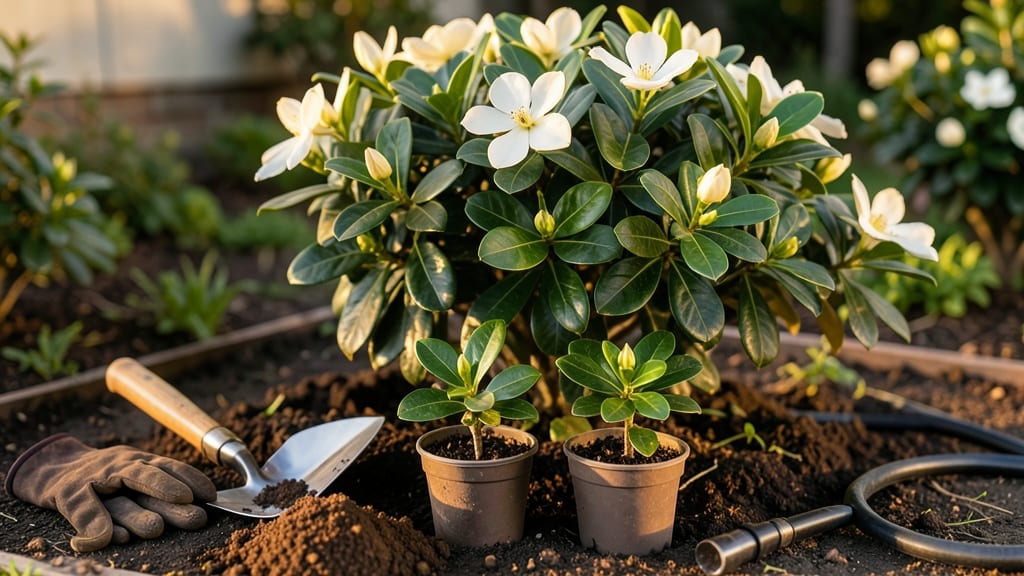
Timing your gardenia planting in North Carolina can make the difference between a fragrant, blooming shrub and one that struggles to survive. The March-April window after last frost is your golden opportunity to give these 🌸 beauties the perfect start in zones 7a-8b.
Why does timing matter so much? Gardenias are sensitive to cold snaps, and planting too early risks frost damage while waiting too long can stress young roots before summer heat arrives.
I'll show you exactly how to sync your planting with NC's microclimates—whether you're in the coastal humidity or piedmont's drier air.
You'll learn the three key signs your planting time is ideal (or wrong), plus how to prep your soil for maximum bloom potential. Let's get those gardenias thriving before the heat of summer arrives.
From choosing the right location to post-planting care, I've got the heat-zone hacks that'll keep your gardenias blooming from June through September. Ready to transform your yard into a fragrant paradise?
NC heat zone planting calendar: exact months for gardenia success
North Carolina’s USDA zones 7A-8B create a 60-day window for planting gardenias—timing that separates thriving shrubs from struggling transplants. The ideal planting window spans March through April, but your exact timing depends on whether you’re in the coastal plain, piedmont, or mountains.
Each region has slightly different last frost dates and microclimates that affect root establishment.
Gardenias are tropical-loving shrubs that hate chilly soil. Planting too early risks root freeze, while waiting too long can cause transplant shock as summer heat arrives. The sweet spot is after your area’s average last frost date, when soil temps consistently stay above 60°F (15°C).
In western NC (zone 7A), this is typically mid-April, while eastern NC (zone 8B) can start as early as late February.
For coastal NC gardeners, February planting is often safe—just monitor nighttime temps and protect young plants with frost cloth if needed.
Inland areas should wait until mid-April to avoid late-spring frosts that can scorch tender new growth. Fall planting (September-October) is possible in zones 8A-8B but risky in colder areas due to winter dormancy challenges.
| NC Region | USDA Zone | Best Planting Window | Soil Temp Goal | Key Tip |
|---|---|---|---|---|
| Coastal Plain | 8A-8B | Late Feb - Early April | 60°F+ (15°C+) | Use frost cloth if nights dip below 40°F |
| Piedmont | 7B-8A | Mid-March - Mid-April | 65°F+ (18°C+) | Wait for azalea blooms to signal safety |
| Mountains | 7A | Late April - Early May | 70°F+ (21°C+) | Start seeds indoors in March for earlier blooms |
If you miss the spring window, don’t panic—summer planting is still possible with extra precautions. June-July plantings require daily shade for 2-3 weeks post-transplant and deep watering every 2 days.
The key is acclimating plants gradually to full sun to prevent heat shock. I’ve successfully planted gardenias in August by using 50% shade cloth for the first month, then reducing coverage weekly.
For container gardeners, timing flexibility increases slightly. Potted gardenias can handle slightly cooler temps because containers warm up faster. However, avoid planting when soil temps drop below 55°F (13°C), as roots struggle to absorb moisture.
Use a soil thermometer to check—this simple tool prevents costly mistakes. I always test soil temps at 6 inches deep, the root zone where gardenias establish.
One pro tip I swear by: plant on a cloudy day. Reduced sunlight minimizes transplant stress, and cooler temps help roots settle faster. If you must plant in full sun, do it in the early morning and provide afternoon shade for the first week.
Water thoroughly before planting to reduce shock—think of it as giving your gardenia a hydration boost before its big move.
After planting, mulch heavily with 3-4 inches of pine bark to retain moisture and regulate soil temps. This is especially critical in NC’s humid summers, where mulch acts like a thermal blanket for roots.
I’ve seen gardenias planted in July thrive with this simple step, while unmulched plants wilted within weeks. The mulch also suppresses weeds, reducing competition for nutrients.
Remember: gardenias hate soggy roots. While they love moisture, poor drainage is their #1 killer. Amend heavy clay soils with peat moss or compost to improve aeration. In sandy soils, add organic matter to help retain moisture.
A quick percolation test (pouring water on soil and timing drainage) tells you if your site is gardenia-friendly. If water pools after 6 hours, you’ve got a drainage issue to fix.
Finally, fertilize lightly at planting with a balanced, acidic fertilizer (like 8-3-9). This gives your gardenia a nutrient head start without overwhelming new roots. Avoid high-nitrogen fertilizers—they promote leafy growth at the expense of blooms.
Instead, focus on phosphorus and potassium to encourage strong root systems and fragrant flowers. I’ve found that compost tea applied every 4 weeks in summer keeps gardenias blooming like crazy.
Timing your gardenia planting to NC’s heat zones isn’t just about avoiding frost—it’s about syncing growth with your local climate. By following this calendar, you’ll set your gardenia up for years of fragrant blooms, not just a single season
Signs your NC gardenia planting timing is wrong (and how to fix it)
Even with the perfect NC heat zone knowledge, gardenias can still send distress signals if planted at the wrong time. Missed deadlines or transplant shock often show up in subtle (or not-so-subtle) ways. Watch for these red flags to catch timing mistakes early.
Yellowing leaves that start at the tips? This classic nutrient deficiency often means your gardenia was planted too late in the season, cutting off its root establishment time. NC’s summer heat can also scorch roots if planted mid-season without proper acclimation.
Slow growth or stunted branches? Your gardenia might be struggling from early planting stress. Cold snaps in NC’s Zone 7A can damage tender roots if planted before the last frost date (typically March 15).
No blooms despite proper care? This is a timing disaster. Gardenias need 6-8 months to mature before flowering. Planting in May or June might delay blooms until next year—or never, if the plant struggles to adapt.
Wilting or crispy leaf edges? These are heat stress warnings. Summer planting without shade acclimation or proper mulching can fry your gardenia’s roots. NC’s humid summers make this even riskier.
🚨 Warning: Late Planting = Root Struggle
Planting gardenias after May 15 in NC risks transplant shock and root rot from summer heat. Even Zone 8B gardenias need time to establish before the dog days of August hit.
Fix these issues by adjusting your planting schedule. For late plantings, use shade cloth for 2 weeks and water deeply every 2 days. Early plantings? Add mulch (3-4 inches) to insulate roots from cold snaps. And always test soil pH (5.0-6.0)—acidic soil is non-negotiable for gardenias.