
Plants
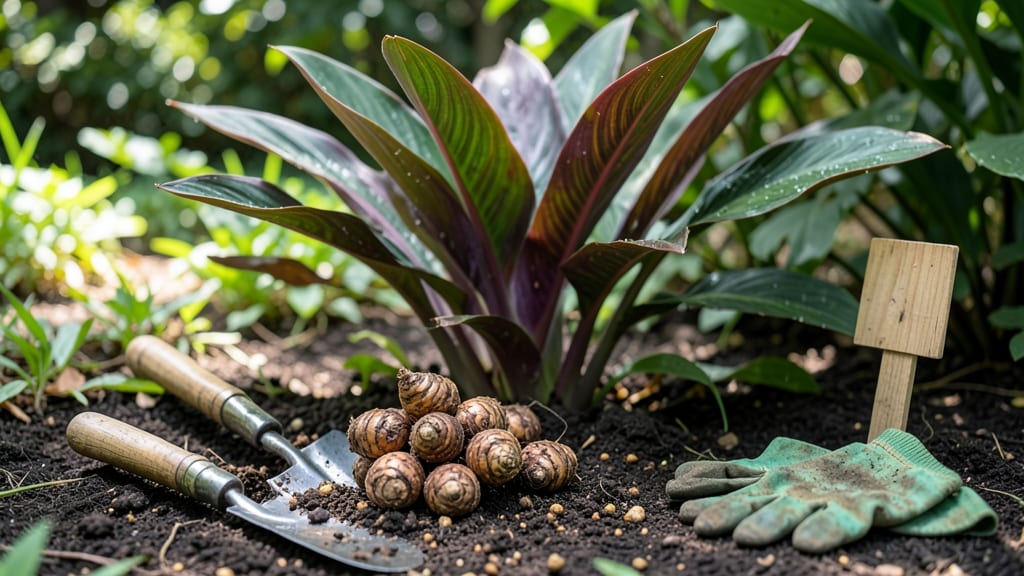
Timing your Canna Lily 🌺 planting in Wisconsin isn’t just about waiting for spring—it’s about dodging frost while giving these heat-loving bulbs the perfect head start. Plant too early, and a surprise frost could turn your vibrant blooms into sad, wilted memories.
But get the schedule right, and you’ll enjoy tropical-looking foliage and bold flowers from late summer through fall.
The key to success in Wisconsin’s 4b-5b zones is patience and preparation. Most gardeners can start planting after the last frost—typically around mid-to-late May—but soil temperature matters just as much as the calendar.
Even if the air feels warm, cold soil can stunt growth, so I’ll show you how to check if it’s truly ready for your Canna Lily.
Beyond the planting window, I’ll share pro tips for extending your blooms in Wisconsin’s short season, like overwintering bulbs or using containers for flexibility.
Whether you’re a first-time gardener or a seasoned pro, these strategies will help you avoid common mistakes and keep your Canna Lily thriving until the first frost.
Let’s dive into the exact steps—from soil prep to post-planting care—to ensure your Canna Lily puts on a show all season long. Your garden deserves those showstopping blooms, and with the right timing, they’re totally within reach.
Wisconsin’s frost-free timeline for planting canna bulbs
Wisconsin’s USDA Zones 4b-5b mean canna bulbs (rhizomes) need consistent warmth to thrive. Planting too early risks frost damage, while waiting too long cuts your blooming season short. The key is timing it with your last frost date—typically mid-to-late May across most of the state.
Cannas crave soil temperatures above 60°F and air temps near 70°F+ for optimal growth. In Wisconsin, this usually aligns with late May to early June, but northern regions (Zone 4b) may need to wait until June 10-20 to avoid frost risk.
Always check your local last frost averages—Madison sees frosts until May 15, while Milwaukee averages May 5.
Use a soil thermometer to confirm readiness. Stick it 2-3 inches deep (where you’ll plant) and wait until it reads 60°F or warmer for 3 consecutive days.
This ensures your cannas won’t shock and stall. Pro tip: Black plastic mulch can warm soil 5-10°F faster if you’re eager to plant early.
Here’s how Wisconsin’s regional frost windows break down for canna planting:
| Region | Avg. Last Frost | Ideal Planting Window | Soil Temp Goal |
|---|---|---|---|
| Northern WI (Zone 4b) | May 20-30 | June 10-20 | 60°F+ |
| Central WI (Zone 5a) | May 10-15 | May 25-June 5 | 60°F+ |
| Southern WI (Zone 5b) | April 25-May 5 | May 10-20 | 60°F+ |
| All Regions | N/A | After May 15 (safer) | 65°F+ (optimal) |
If you’re in Zone 4b, consider starting cannas indoors in April (6-8 weeks before last frost) using grow lights. Transplant outdoors only after Memorial Day to avoid frost. For Zone 5a/b, direct-sow after May 15 once nighttime temps stay above 50°F consistently.
Watch for local weather patterns too. If your area had an early frost in 2023, err on the side of caution and plant 2 weeks later. Cannas are tender perennials—they won’t survive Wisconsin winters outdoors, so treat them as annuals or dig up rhizomes before frost hits.
For container gardening, you can plant cannas 2 weeks earlier since pots warm up faster. Just move containers to a sunny garage or patio if nights dip below 50°F. This flexibility lets you extend your blooming season by 3-4 weeks compared to in-ground planting.
Once planted, mulch heavily with straw or shredded leaves to insulate roots and retain warmth. This helps stabilize soil temps and protects young shoots from late spring frosts, which can still occur in May even after the average last frost date.
Remember: Cannas bloom in 90-120 days, so planting after June 15 may mean fewer flowers before frost. Aim for late May to early June for the longest, most vibrant display in your Wisconsin garden. ☀️
5 Signs your Wisconsin garden is Finally Ready for Canna Bulbs
Waiting for the perfect moment to plant your canna bulbs in Wisconsin can feel like waiting for summer to arrive. But how do you know when your garden is truly ready?
Canna lilies thrive in warm soil (at least 60°F) and hate late frosts, so timing is everything. Here’s how to tell your garden is safe for these heat-loving beauties.
First, check the soil temperature with a thermometer. Canna rhizomes won’t sprout until the ground reaches 60°F. Stick the thermometer 2-3 inches deep—that’s where your bulbs will be planted. If it’s cooler, wait a few more days. Patience here prevents root rot from cold, damp soil.
Next, observe your local flora. When daffodils and lilacs bloom in full force, it’s a sign that spring has truly arrived. These perennials are reliable indicators that frost danger has passed in most of Wisconsin. Time your canna planting for 2-3 weeks after these flowers peak.
Use a soil thermometer ($10 at garden centers) to track warmth. Aim for 60°F+ for 5+ days—this ensures your cannas won’t shock.
For extra safety, wait until mid-May in northern Wisconsin (USDA Zone 4) or late April in southern regions (Zone 5).
Listen to your neighbors’ garden chatter. When folks start talking about tomato transplants or pepper seedlings, it’s often a good cue. These plants also need warm soil, so their timing aligns with cannas. Just confirm with a quick soil check!
Watch for leaf-out on trees like maples or birches. When their leaves unfurl and stay green for 7-10 days, the frost risk drops significantly. This natural signal works better than calendar dates, which can vary yearly.
Finally, avoid planting if nighttime temps still dip below 50°F. Cannas are tropical and won’t tolerate chilly evenings. Use a frost blanket or grow them in containers (which you can move indoors) if early planting is tempting.
Once you’ve checked all these signs, your garden is ready for canna rhizomes! Plant them 2-3 inches deep in well-draining soil with compost mixed in for a head start. With these cues, you’ll skip the frost gamble and enjoy bold blooms all summer. 🌺