
Plants
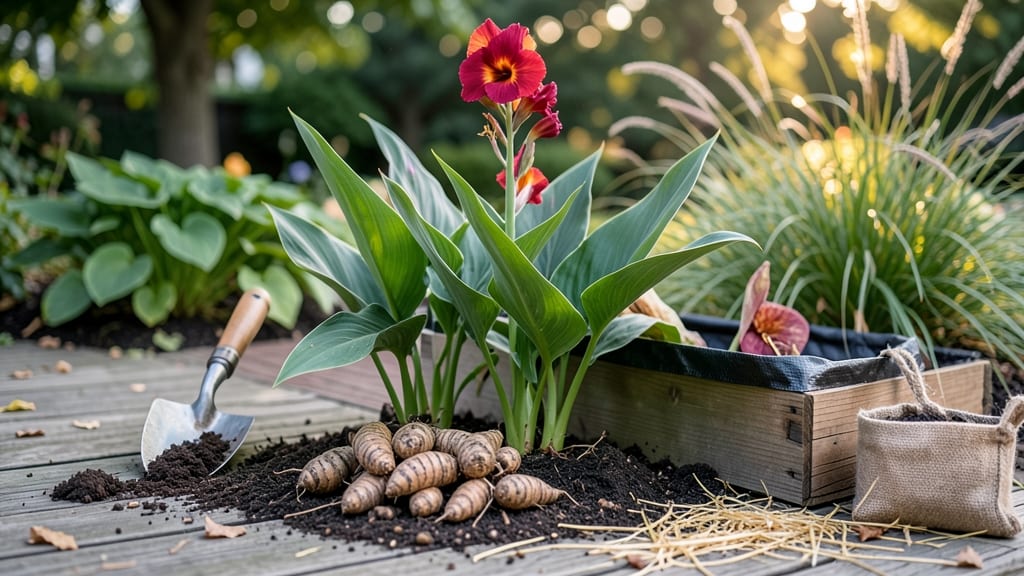
If you’ve ever stared at your Kansas garden calendar wondering "when to plant canna bulbs" without a clear answer, you’re not alone. These tropical beauties 🌺 thrive on warmth, but planting them too soon means frost will turn your dreams of bold blooms into sad, wilted stems.
The key is timing—waiting until after the last frost (usually late May in most of Kansas) when soil temperatures hit at least 60°F.
That’s when your canna bulbs will finally wake up from their winter nap and start shooting up those dramatic, colorful leaves and flowers you’ve been dreaming of.
But here’s the catch: rushing the process can backfire. Early planting in cooler zones like 5b risks frost damage, while waiting too long might mean missing the peak blooming season.
I’ll walk you through the exact window, soil prep tips, and how to give your cannas the best shot at a show-stopping summer display.
Let’s make sure your cannas don’t just survive—let’s help them thrive with the perfect Kansas planting strategy.
Kansas heat-zone planting calendar for canna bulbs: exact weeks to avoid frost
Kansas’s USDA zones 5b-7a mean canna bulbs need precise timing—too early and frost zaps them, too late and you miss their summer spectacle. The key? Wait until soil temperatures hit 60°F+ and all frost risk has passed.
Most Kansas regions (like Wichita, Kansas City, and Topeka) see their last frost between mid-April and early May, but don’t rush—cannas thrive in heat!
For container gardeners, you can plant 2-4 weeks earlier than in-ground, since pots warm faster. Just ensure your drainage holes are clear and use a heat-retentive fabric pot to stabilize soil temps. In-ground plantings, however, must wait until May 15-June 1, depending on your microclimate.
Here’s the critical timeline for Kansas gardeners: April 15 (last frost) marks the start of prep work (soil testing, composting), but planting shouldn’t begin until soil hits 60°F+. Use a soil thermometer—this is non-negotiable for tropical cannas!
| Region | Last Frost Date | Safe Planting Window | Soil Temp Threshold | Notes |
|---|---|---|---|---|
| Southeast KS (Pittsburg) | April 15 | May 1-15 | 60°F+ | Warmest zone; can start earlier |
| Central KS (Topeka) | April 25 | May 10-25 | 60°F+ | Moderate risk of late frost |
| West KS (Wichita) | April 30 | May 15-June 1 | 60°F+ | Drier climate; water deeply |
| Northeast KS (Kansas City) | May 5 | May 20-June 5 | 60°F+ | Higher humidity; monitor for fungal risks |
| Containers (Anywhere) | N/A | 2-4 weeks earlier | 55°F+ | Use black pots to absorb heat |
Pro tip: Test your soil’s warmth by placing a thermometer 2 inches deep for 3 days. If it’s consistently above 60°F, your cannas are ready to go in! For clay-heavy Kansas soil, amend with compost or sand to improve drainage—cannas hate soggy roots.
Once planted, mulch heavily with straw or shredded leaves to retain moisture and insulate roots during Kansas’s hot afternoons. This also suppresses weeds, giving your cannas a competitive edge for those bold
How to extend the canna blooming season in Kansas: pre-winter care and spring prep
Kansas summers are short for canna bulbs—these heat-loving plants need every extra day to thrive. The key to a longer blooming season lies in pre-winter care and smart spring prep.
By following these steps, you can coax your cannas into flowering earlier and keeping them vibrant until the first frost. Let’s break down the process into simple, actionable steps.
First, understand that cannas are tender perennials—they won’t survive Kansas winters outdoors unless you take precautions. Most gardeners either dig up bulbs for storage or use heavy mulch to protect them. Both methods work, but digging ensures the best results for next year’s growth.
Start by marking your canna clumps in late fall so you don’t accidentally disturb them while cleaning up the garden.
Here’s a step-by-step guide to overwintering and prepping your cannas for another stunning season:
Step-by-Step Canna Care for Kansas Gardeners
- Late Fall (October): Cut back foliage to 2-3 inches above the ground. This helps the plant redirect energy to the bulb for storage. Avoid cutting too early—wait until the leaves yellow naturally.
- Mid-October (Before Frost): Dig up bulbs using a garden fork. Gently loosen the soil around the clump, then lift it out. Shake off excess dirt and let the bulbs air-dry for 1-2 days in a cool, dry place.
- Storage (November-March): Store bulbs in a paper bag or mesh sack with dry peat moss or vermiculite in a cool, dark spot (like a garage or basement) where temperatures stay between 40-50°F. Check monthly for rot or mold.
- Early Spring (March): Start bulbs indoors 6-8 weeks before your last frost date. Plant them 2 inches deep in pots with well-draining soil. Place pots in a sunny window or under grow lights to encourage early sprouting.
- Late Spring (May): Once all frost danger has passed and soil temps reach 60°F+, transplant outdoor-grown cannas or hardened-off indoor starts into your garden. Space them 2-3 feet apart for optimal airflow.
- Post-Planting: Apply a balanced fertilizer (10-10-10) at planting time to give your cannas a nutrient boost. Water deeply to settle the soil and encourage root growth.
If digging up bulbs isn’t your style, you can try mulching instead. In late fall, mound 6-8 inches of straw or leaves over the canna clumps. This insulating layer can protect bulbs from freezing temps, though it’s less reliable in harsher Kansas winters.
For extra protection, cover the mulch with a thick layer of black plastic secured with bricks or rocks.
For container-grown cannas, move pots to a sheltered location like a garage or porch before temperatures drop below 40°F. Water sparingly during dormancy—just enough to prevent the soil from drying out completely. In spring, bring containers back outside gradually to harden them off before planting.
With these strategies, you’ll give your cannas the best shot at a longer, more vibrant blooming season—even in Kansas’ unpredictable climate. The extra effort in fall and spring pays off with bold foliage and dramatic flowers from early summer until frost. 🌺