
Plants
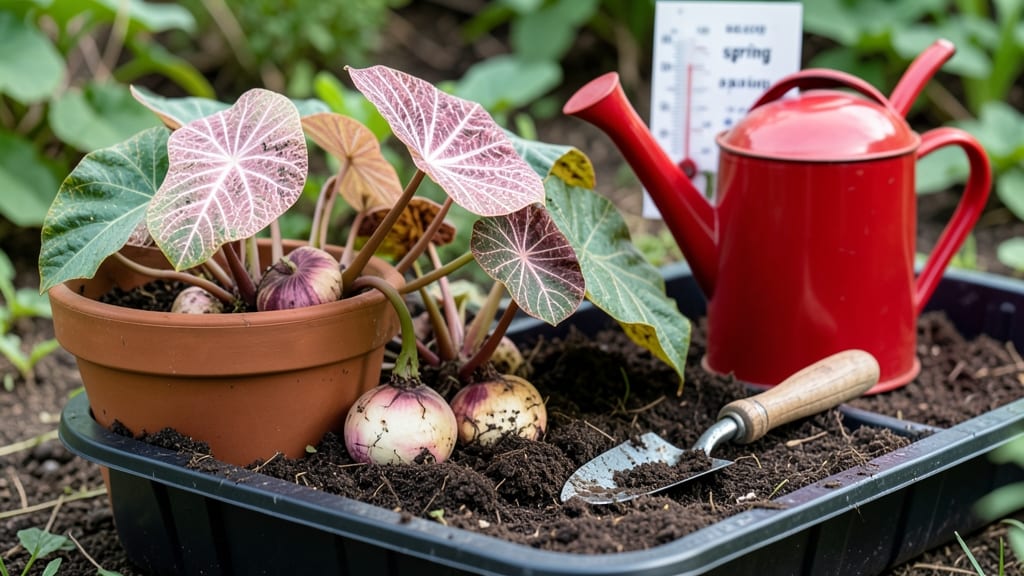
Timing your caladium bulb planting in Zone 7 can make or break your summer garden—get it wrong, and you’ll end up with wilted leaves or missed color. These tropical beauties 🌿 need warmth to thrive, so waiting for the right moment is key.
Most gardeners in Zone 7 (including 7a or 7b) rush to plant after the last frost date, but that’s not the full story. The real trigger is soil temperature—aim for 60-65°F before sticking those bulbs in the ground.
This usually lands in late April to early May, but don’t guess.
Planting too early risks frost damage, while waiting too long means your caladiums might not reach their full vibrant potential. I’ll show you how to check soil warmth, adjust for your microclimate, and avoid common mistakes that kill these showstopper plants.
Ready to grow lush, eye-catching foliage that lasts all summer? Let’s dive into the exact timing and care tips that’ll have your caladiums thriving in no time.
Zone 7 caladium planting schedule: soil temperature rules over calendar dates
Caladium bulbs thrive in Zone 7’s warm springs, but planting them at the wrong time can mean the difference between vibrant foliage and a failed garden experiment. Unlike hardy perennials, caladiums are tender tropicals that refuse to grow until the soil warms up.
The key? Wait for consistent 60-65°F soil temperatures, not just the last frost date.
In Zone 7 (7a/7b), average last frost dates land around mid-April, but rushing to plant caladiums then is a recipe for disappointment. These bulbs need warm soil to sprout—cold ground will leave them sitting dormant or rotting.
I’ve learned this lesson the hard way after planting too early and watching my bulbs fail to emerge.
Here’s the critical rule: Caladiums should only go into the ground when your soil stays above 60°F for at least 5-7 days. In most of Zone 7, this typically aligns with late April to early May, but your exact timing depends on microclimates.
Urban areas may warm faster than rural spots, so test your soil before planting.
🌱 Pro Tip: Use a soil thermometer ($10 at garden centers) to check temperatures at 4-inch depth—that’s where caladium bulbs will sit. If your soil is still below 60°F, hold off and start bulbs indoors instead.
Now, let’s break down the exact planting window for Zone 7, including how to adjust for early vs. late varieties and regional variations.
| Stage | Action | Soil Temp | Zone 7 Timeline |
|---|---|---|---|
| Pre-Warm Soil | Add black plastic mulch or wait for natural warming | 50°F+ | Mid-April |
| Planting Window | Plant bulbs 4" deep in warm soil | 60-65°F | Late April-Early May |
| Active Growth | Foliage emerges; mulch to retain warmth | 65°F+ | May-June |
| First Frost Risk | Dig up bulbs before temps drop below 50°F | Below 50°F | Mid-October |
Notice how the planting window aligns with soil temperature, not just calendar dates? This is why Zone 7 gardeners in cooler microclimates (like higher elevations) might need to plant 2-3 weeks later than those in warmer pockets.
For example, Asheville, NC (Zone 7a) typically plants caladiums in early May, while Atlanta, GA (Zone 7b) can start in late April.
If you’re unsure about your local soil warming trends, I recommend checking with your local Cooperative Extension Service—they often track soil temps and can give you hyper-local advice. Alternatively, observe nearby sweet potato plants, which thrive in similar conditions and signal when it’s safe to plant caladiums.
For early bloomers, you can cheat the system by starting caladium bulbs indoors 4-6 weeks before your target planting date. Use seed-starting trays with a heat mat set to 70-75°F to mimic tropical conditions.
Once your outdoor soil hits 60°F, transplant the young shoots carefully to avoid root damage.
💡 Key Takeaway: Caladiums in Zone 7 are not frost-hardy—they’ll die if exposed to temperatures below 50°F. Plan to dig them up before October and store them in a cool, dry place (like a paper bag in your garage) until next spring.
Finally, remember that late varieties (like ‘White Queen’ or ‘Pink Beauty’) can handle slightly cooler soils than early bloomers (like ‘Candidum’). Always check the specific variety’s notes—some are more heat-tolerant and can be planted
Zone 7 caladium planting schedule: soil temperature rules over calendar dates
Forget relying on the last frost date—your caladium bulbs need soil warmth to thrive, not just frost-free air. In Zone 7, the magic number is 60-65°F at a 4-inch depth.
This typically aligns with late April to early May, but your exact timing depends on your microclimate and bulb variety.
Early varieties like 'White Queen' can handle slightly cooler soil (58°F), while late bloomers like 'Candidum' need that upper range. If you plant too soon, your bulbs may rot or fail to sprout—wasting your investment and missing that summer foliage show.
🌱 Pro Tip: Use a soil thermometer ($10 at garden centers) to check depth—this is the only way to get it right. Stick it in the ground for 24 hours to account for daily temperature swings.
| Stage | Action | Zone 7 Timeline |
|---|---|---|
| Soil Warmth Check | Test 4" depth with thermometer | Late April (60°F+) |
| Planting Window | Plant bulbs 4" deep | Early May (65°F+) |
| Foliage Emergence | Expect shoots in 2-4 weeks | Mid-May to June |
| Peak Display | Full color in 6-8 weeks | June-August |
If you’re in Zone 7a (colder end), aim for May 1st—warmer Zone 7b areas can plant as early as April 20th. Urban heat islands or south-facing beds may warm up 1-2 weeks earlier, so adjust accordingly.
Never plant before April 15th unless you’re using a cloche or row cover to protect from unexpected late frosts.
🌿 Key Insight: Caladiums are tropical plants that won’t tolerate cold soil. If your soil stays below 55°F for more than a week, your bulbs will rot before sprouting. This is why testing is non-negotiable.
For container growers, you’ve got a 2-week advantage—pots warm up faster than in-ground soil. Start your caladium bulbs in pots by April 1st and transplant after Memorial Day when roots are established. This extends your display season by up to 3 weeks compared to direct planting.