
Plants
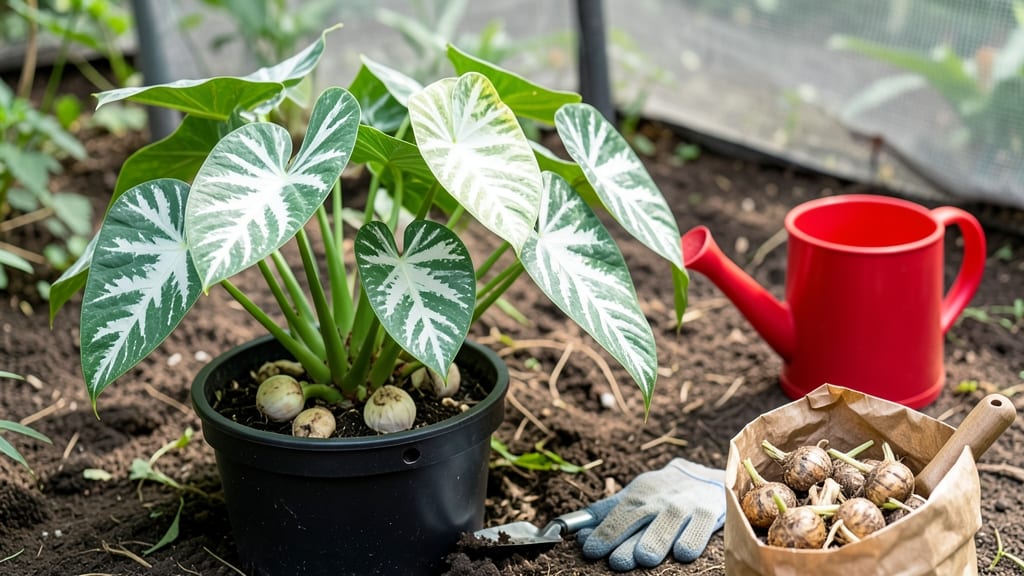
Planting caladium bulbs in Alabama at the wrong time can turn your dream garden into a sad, wilted mess—but timing these tropical beauties right unlocks stunning foliage all summer long.
With Alabama’s last frost typically around March 15, the window for planting opens just as the soil warms, creating the perfect conditions for these shade-loving tubers to thrive.
You might be surprised to learn that March through April is the ideal time to get your caladiums in the ground, but there’s a catch: these plants hate cold soil.
Waiting until after Memorial Day ensures your tubers won’t rot in chilly, damp earth—a common mistake in Alabama’s unpredictable spring weather.
Once you’ve got the timing down, the next step is preparing your soil. Caladiums crave rich, well-draining soil with a pH between 6.0 and 6.5, and Alabama’s clay-heavy dirt often needs a little help.
I’ll walk you through exactly how to create the perfect planting environment so your bulbs grow into lush, vibrant foliage that’ll be the envy of your neighborhood.
Let’s dive into the exact steps you need to follow—from soil prep to post-planting care—to ensure your caladiums take off like a dream. No more guessing, just stunning results!
Best planting timeline for caladium bulbs in Alabama’s climate zones
Alabama’s humid subtropical climate (USDA zones 7b-8b) gives caladiums the perfect growing conditions—but timing is everything. These tropical tubers hate frost and need warm soil to thrive. Planting too early risks cold damage, while waiting too late cuts back your summer display.
Let’s break down the ideal planting window and what to watch for in Alabama’s microclimates.
Most Alabama gardeners should aim to plant caladium bulbs between mid-March and mid-April, after the average last frost date. In northern Alabama (like Huntsville), this might stretch to late April, while southern regions (like Mobile) can start as early as February.
The key trigger? Soil temperatures should stay above 60°F (15°C) consistently for at least a week before planting.
Here’s why timing matters: Caladiums are tropical tubers, not true bulbs, and they won’t tolerate cold. Even a light frost can kill emerging shoots. Alabama’s last frost date typically falls around March 15, but mountain regions (like the Appalachians) can see frost as late as April 15.
To be safe, wait until nighttime temperatures reliably stay above 50°F (10°C).
If you’re in a warmer microclimate (like coastal areas), you can plant as early as February. However, if you rush it, your caladiums may linger in dormancy instead of bursting into vibrant foliage. Patience pays off—waiting for soil warmth ensures faster, healthier growth.
| Zone & Region | Ideal Planting Window | Soil Temp Trigger | Key Landmark |
|---|---|---|---|
| Northern AL (7a, e.g., Huntsville) | Mid-April to early May | 60°F+ consistently | After Mother’s Day (safe frost-free) |
| Central AL (7b, e.g., Birmingham) | Late March to mid-April | 55°F+ (nighttime) | After Easter weekend |
| Southern AL (8a, e.g., Mobile) | February to early March | 60°F+ (soil) | Before Memorial Day |
| Mountain Regions (7a, e.g., Chattahoochee) | Late April to May | 65°F+ (soil) | After May Day (May 1) |
For container gardening, you can extend your planting window by starting tubers indoors under grow lights in late winter. Simply plant them in pots with well-draining mix and move outdoors after the last frost. This trick lets you enjoy earlier foliage and a longer display.
Missed the ideal window? Don’t panic! You can still plant caladiums through late May, but expect slightly delayed growth. Just ensure your soil is moist and warm—these tubers despise dry conditions.
If planting late, opt for shade-tolerant varieties like ‘White Queen’ or ‘Pink Beauty’ to handle Alabama’s summer heat better.
One common mistake in Alabama is planting too deep or shallow. Caladium tubers should go 4-6 inches deep, with the top just below soil level. Burying them too deep causes rot, while shallow planting exposes them to temperature fluctuations.
Use a trowel to create a snug pocket—this protects them from frost heaves and keeps roots cozy.
After planting, mulch with 2-3 inches of organic mulch (like shredded bark) to retain moisture and regulate soil temperature. In Alabama’s heat, this step is non-negotiable—it prevents soil from drying out and keeps roots cool.
Water gently but thoroughly, aiming for 1 inch of water per week during dry spells.
Remember, caladiums are foliage plants, not food crops, so focus on leafy drama rather than harvests. With the right timing, your Alabama garden will burst with heart-shaped leaves in pinks, whites, and reds—the perfect summer statement!
How to prepare Alabama soil for caladium bulbs before planting
Alabama’s heavy clay soil can be a double-edged sword for caladiums—it retains moisture well but drains poorly, creating the perfect recipe for rotten tubers. Before you even think about planting, you’ll need to amend your soil to mimic the rich, well-draining conditions these tropical plants crave.
The key is balancing organic matter and structure to ensure your caladiums thrive from day one.
Start by testing your soil pH—caladiums prefer a range of 6.0 to 6.5. Alabama’s natural pH often skews alkaline, so you may need to add sulfur or peat moss to lower it.
Grab a soil test kit from your local garden center or send a sample to the Alabama Cooperative Extension System for precise results. Once you’ve got that dialed in, it’s time to loosen and enrich the earth.
Next, dig in 2-3 inches of compost or well-rotted manure to improve drainage and fertility. For clay-heavy areas, mix in coarse sand or perlite to break up compaction. Work these amendments into the top 12 inches of soil, where your caladium tubers will settle.
If your garden bed is particularly dense, consider creating raised beds—this gives you complete control over soil structure and drainage.
Don’t forget to remove weeds and debris before planting. Caladiums compete poorly with invasive plants, and Alabama’s warm climate means weeds grow like wildfire. A thorough cleanup now saves you hours of weeding later.
Once your soil is prepped, create shallow planting holes—4-6 inches deep—and space them 12-18 inches apart to give your plants room to spread their stunning foliage.
After planting, top the soil with a 2-3 inch layer of mulch. I recommend pine straw or shredded leaves—both retain moisture while allowing rain to penetrate. Mulching also keeps soil temperatures stable, which is crucial for caladiums that dislike temperature swings.
Just be sure to keep the mulch a few inches away from the tubers to prevent rot.
With your soil now prepped and ready, your caladiums are set to burst into vibrant color once the weather warms up. The secret sauce? Consistent moisture and shade—we’ll cover post-planting care in the next section so you can keep those leaves looking showstopping all season long. 🌿