
Plants
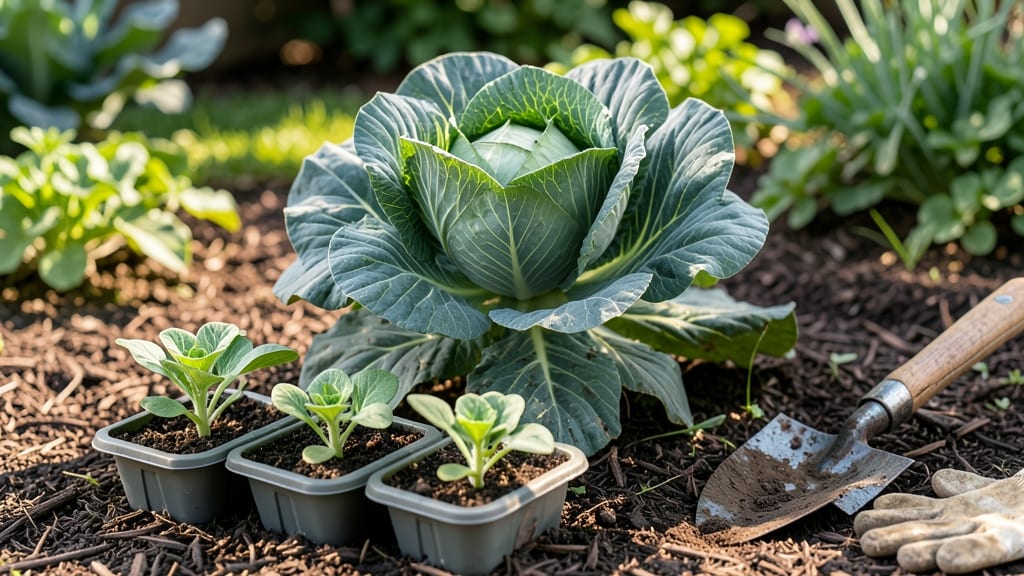
Timing your cabbage 🥬 planting in Zone 8a isn't just about the calendar—it's about unlocking sweet, crisp harvests that last from December through spring. Get the schedule wrong, and you'll end up with bitter-tasting heads or plants that bolt before they mature.
But with the right approach, you can enjoy homegrown cabbage even when your neighbors are digging into store-bought leftovers.
Most gardeners in Zone 8a focus on spring planting, but fall is actually the secret weapon for winter harvests. The key lies in starting seeds or transplants 8-10 weeks before your first frost, typically around late summer.
This gives your cabbage enough time to establish strong roots before the cooler weather sets in, ensuring it can handle light frosts without turning woody or splitting.
What makes fall planting work so well in Zone 8a? The mild winters create the perfect growing conditions for cold-hardy varieties like 'Golden Acre' or 'Red Express'. These types can handle temperatures down to 20°F once established, meaning you can harvest right through winter.
Plus, planting in late summer avoids the heat stress that can cause bolting in spring.
In this guide, I'll walk you through the exact planting windows, soil prep tips, and variety recommendations to maximize your fall harvest. Whether you're a first-time gardener or a seasoned pro, these strategies will help you grow cabbage that's sweeter, healthier, and ready when you need it most.
Optimal fall planting windows for cabbage in Zone 8A
In Zone 8A, where winters are mild but unpredictable, timing your cabbage planting for fall harvests requires precision. The key is to start seeds or transplants early enough to mature before cold snaps, but not so early that they bolt in summer heat.
For direct sowing, aim for August 1-15, while transplants should go in July 20-August 10.
Cabbage thrives in cool weather (50-75°F soil temps) and can tolerate light frosts, but it won’t survive prolonged freezes below 20°F. In Zone 8A, this means planning for harvests between December and March, depending on variety and protection methods.
The last frost date (avg. March 15) signals the end of your window for winter harvests.
Your first step is to calculate days to maturity for your chosen variety. Most cabbages need 60-100 days to harvest, so count backward from your target harvest date. For example, if you want December cabbage, plant transplants by August 10 (assuming a 75-day variety).
Here’s a quick reference for fall planting in Zone 8A, tailored to your growing goals:
For direct sowing, wait until soil temps drop below 80°F (usually late July in Zone 8A) to prevent heat stress. Plant seeds ¼ inch deep, 1 inch apart, and thin to 18-24 inches when seedlings are 3-4 inches tall.
This spacing gives roots room to grow and reduces disease risk.
If you’re using transplants, harden them off for 7-10 days before moving to the garden. Choose healthy, compact seedlings with no yellowing leaves, as stressed plants struggle in fall’s fluctuating temps.
Water deeply at transplanting to reduce shock, and apply a 2-inch layer of mulch to retain moisture and moderate soil temps.
Adjust your timeline if your Zone 8A microclimate runs hotter or colder than average. Coastal areas may have softer winters, allowing later plantings, while inland zones might need earlier starts. Monitor local weather forecasts and use frost-free date calculators (like the Old Farmer’s Almanac) for precision.
One common mistake in Zone 8A is planting too late, leading to small, bitter heads before winter sets in. To avoid this, prioritize early August plantings for winter harvests. For spring cabbage, you can also try a late winter planting (January-February) under row covers, but growth will slow significantly.
Pro tip: Mark your calendar for September 15—this is your last chance to start a successive planting for a late-winter harvest. After this, focus on protecting existing plants with row covers or cold frames to extend their season into spring.
Optimal fall planting windows for cabbage in Zone 8A
Zone 8A's mild winters create a perfect opportunity for fall cabbage planting, but timing is critical. Plant too early, and your cabbage may bolt before winter; too late, and it won’t mature before spring.
The ideal window spans from mid-August to early September, allowing heads to develop before cold sets in.
For direct sowing, aim for late August when soil temperatures drop below 75°F but stay above 50°F. Transplants, however, can go in slightly later—early to mid-September—since they establish faster. Always check your local frost dates (Zone 8A averages first frost on November 15) to adjust.
📅 Key Planting Dates for Zone 8A: Direct Sow: August 15–31 Transplants: September 1–15 Last Chance: September 20 (for fast-maturing varieties)
| Planting Method | Best Time | Days to Maturity | Harvest Window |
|---|---|---|---|
| Direct Sow | Mid-August | 75–90 days | December–February |
| Transplants | Early–Mid-September | 60–75 days | January–March |
| Late-Season (Risky) | After Sept 20 | Fast varieties only | March–April |
Choose cold-hardy varieties like 'Golden Acre' or 'Red Express' for fall planting—they tolerate light frosts (25°F) better than heat-sensitive types. Plant 18–24 inches apart in well-draining soil with a pH of 6.0–7.0 to prevent clubroot disease.
If your first frost arrives early, opt for fast-maturing varieties (e.g., 'Early Jersey Wakefield') and use row covers to buy time. Avoid planting after September 20 unless you’re growing bolting-resistant types like 'Savoy King', which can handle cooler temps.
For continuous harvests, stagger plantings every 2–3 weeks between August and September. This ensures a steady supply from December through spring, even if some heads mature faster than others.
Always monitor soil moisture—cabbage needs 1–1.5 inches of water weekly but hates soggy roots. Mulch with straw or leaves to insulate roots and retain moisture during Zone 8A’s unpredictable fall rains.