
Plants
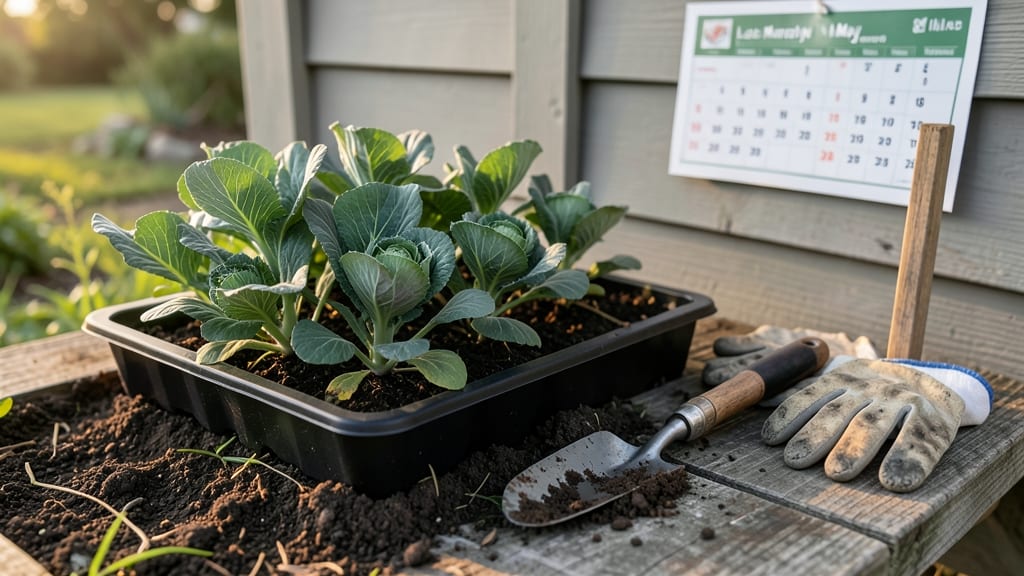
Knowing when to plant cabbage in Illinois can make or break your harvest—one wrong move, and you're left with bitter greens or stunted heads. With USDA zones 5-6 bringing unpredictable frosts, timing matters more than most gardeners realize.
Cabbage 🥬 thrives in cool weather, so Illinois gardeners have two prime windows: early spring (March-April) or late summer (July-August). Skip this schedule, and you risk bolting plants or frost damage before heads mature.
Let me show you exactly how to align your planting with Illinois' frost dates for maximum success.
Whether you're growing heat-sensitive Savoy cabbage or cold-hardy January King, the key is starting 4-6 weeks before your last frost—typically around mid-April. I'll break down the zone-specific calendar so you can plant with confidence, even if you're dealing with microclimates or urban heat islands.
Ready to grow cabbage that tastes sweeter and stores longer? Let's dive into the exact planting timeline that works for Illinois' climate—no guesswork, just proven results for your garden.
Illinois cabbage planting calendar by hardiness zones (5-6)
Cabbage thrives in Illinois' cool seasons, but precise timing prevents bolt damage from heat. The state's USDA Zones 5-6 have distinct frost windows that dictate your planting schedule.
Northern Illinois (Zone 5) faces earlier frosts, while southern areas (Zone 6) enjoy 10-14 extra frost-free days. Let's break down the exact windows for both zones.
For spring cabbage, aim to transplant 4-6 weeks before your area's last frost date. In Zone 5, this means early April (average last frost: April 15), while Zone 6 gardeners can start slightly later in mid-April.
Fall planting should occur 8-10 weeks before your first frost date—typically late July to early August for both zones.
🌱 Pro Tip: Use row covers to extend your spring planting window by 2-3 weeks if late frosts threaten.
| Zone | Last Frost Date | Spring Planting Window | Fall Planting Window | Harvest Window |
|---|---|---|---|---|
| Zone 5 (Northern IL) |
April 15 | March 25 - April 10 | July 15 - August 1 | June 15 - July 15 September 15 - October 10 |
| Zone 6 (Southern IL) |
April 25 | April 1 - April 15 | July 25 - August 5 | June 20 - July 20 September 20 - October 15 |
Heat-sensitive varieties like Savoy cabbage and Napa cabbage need special attention. These types bolt when temperatures exceed 75°F (24°C) for prolonged periods. In Zone 6's hotter southern regions, consider shade cloth during summer months to protect transplants until soil cools.
For direct sowing (planting seeds instead of transplants), adjust your timeline by 2-3 weeks earlier. Seeds germinate best in 50-85°F (10-29°C) soil, so aim for late March in Zone 5 and early April in Zone 6. Use biodegradable pots to avoid transplant shock when moving seedlings outdoors.
🌡️ Soil Temperature Check: Use a soil thermometer—wait until soil reaches 45°F (7°C) for seeds or 50°F (10°C) for transplants.
Northern Illinois gardeners should prioritize early maturing varieties like 'Golden Acre' (58 days) to beat summer heat. Meanwhile, southern growers can experiment with late-season varieties like 'January King' that tolerate light frosts. Always monitor your local Almanac frost predictions, as Illinois' climate varies significantly even within 50 miles.
📅 Remember: Illinois' frost-free season averages 165 days, but urban areas like Chicago may experience 10-14 fewer frost-free days than rural areas due to the urban heat island effect.
To maximize your harvest, consider successive planting: Start with early varieties in March, follow with mid-season types in April, and finish with late-season varieties in July. This staggered approach ensures continuous harvests from June through October.
How to adjust planting dates for Illinois microclimates
Illinois’ diverse microclimates—from urban heat islands in Chicago to lake-effect cooling near Lake Michigan—can shift your cabbage’s ideal planting window by 2-4 weeks. If you’re growing in Zone 5 or 6, these local factors matter just as much as frost dates.
For example, Chicago’s concrete jungle can be 5-10°F warmer than rural areas, while northern lake shores may stay cooler longer. Adjusting your schedule ensures your cabbage thrives without bolting or freezing.
Soil temperature is another critical factor. Cabbage seeds need soil at 40-50°F to germinate, but urban soils can heat up faster. Test your soil with a soil thermometer—if it’s below 45°F, wait or use black plastic mulch to warm it. In cooler microclimates, like northern Illinois, start seeds indoors 6-8 weeks before your target transplant date to give them a head start.
Row covers aren’t just for frost protection—they also shield cabbage from pests like cabbage moths and fleabeetles, which are more active in warmer microclimates. If you’re planting near Lake Michigan, expect cooler, wetter conditions that may delay bolting but increase disease risk.
In these areas, space plants 12-18 inches apart for better airflow and avoid overhead watering. For urban gardeners, prioritize dwarf varieties like ‘Miniature Peanut’ to save space and reduce heat stress.
Timing also depends on your cabbage variety. Heat-tolerant types like ‘Cavalo’ can handle summer plantings in cooler microclimates, while cool-season varieties like ‘January King’ need early starts.
If you’re in Zone 5’s northern edge, plant transplants in late May instead of seeds—this avoids the May frost risk while still giving heads time to mature before winter. Always check your local Cooperative Extension Service for hyper-local frost data, as microclimates can vary even within a county.
Container growing offers another way to adapt. Pots warm up faster in sun and can be moved to shadier spots during heatwaves. Fill containers with moisture-retentive mix (50% compost, 30% peat moss, 20% perlite) and plant dwarf varieties like ‘Golden Acre’ for consistent yields. Water containers daily in summer—they dry out faster than in-ground beds. For fall plantings, use straw mulch to insulate roots and protect against early October frosts.
Final adjustment tip: If your microclimate runs hot, opt for shade cloth (30-50%) during peak summer (July-August) to prevent bolting. Monitor plants daily—yellowing leaves or loose heads signal it’s time to adjust your approach. With these tweaks, you’ll harvest crisp, firm cabbage heads regardless of your Illinois location.
🌿