
Plants
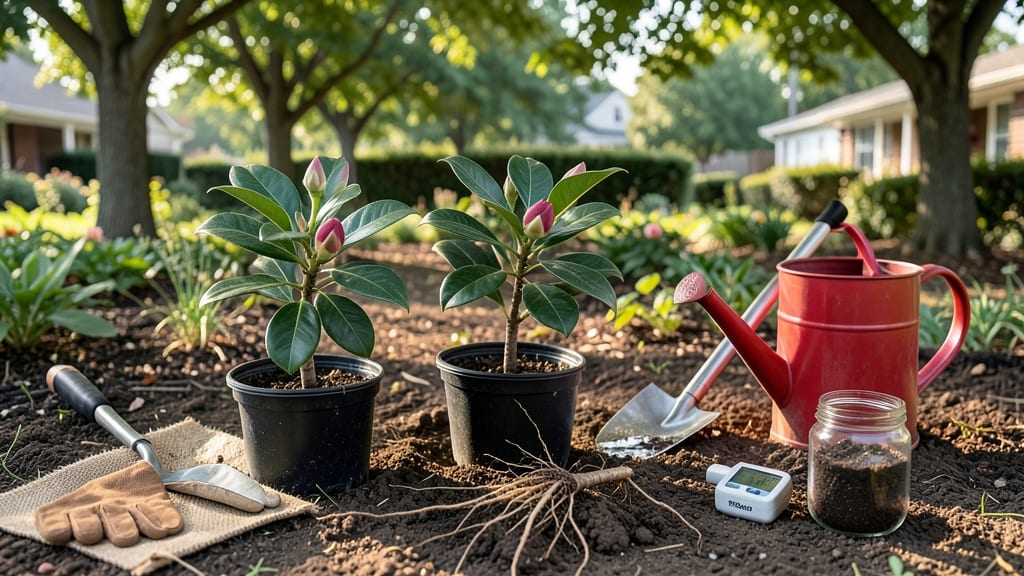
If you're a Zone 9 gardener dreaming of stunning 🌸 camellias blooming winter through spring, timing your planting is the key to success—or failure. Planting these beauties at the wrong time means struggling with summer heat stress or weak root growth before winter sets in.
This is why the late fall window—between November and February—is your golden opportunity. When you plant during these cooler months, your camellias get the perfect head start, establishing strong roots before the heat of summer arrives.
Plus, Zone 9’s mild winters mean fewer frost worries, so you can focus on giving your plants the care they need to thrive.
But here’s the catch: not all falls are created equal. Coastal areas may have slightly different microclimates than inland spots, and soil prep can make or break your camellia’s first year.
I’ll walk you through the exact steps to choose the right moment, prepare your soil, and protect your new plants so they grow into lush, blooming shrubs year after year.
Ready to set your camellias up for success? Let’s dive into the best strategies for planting them in Zone 9—so you can enjoy those gorgeous 🌸 blooms for seasons to come.
Optimal fall planting window for camellias in Zone 9
Planting camellias in Zone 9 during the right fall window ensures they establish roots before summer’s heat stress. Unlike colder zones, Zone 9’s mild winters mean you can plant later—but timing still matters.
The ideal window spans 6-8 weeks, starting in mid-October and ending by mid-December, when soil temps drop below 70°F but stay above 50°F.
This period balances cooler air and consistent rainfall, giving roots time to grow without summer’s drying winds or winter’s occasional frost. Coastal areas may extend planting into early January, while inland regions should finish by mid-December to avoid heat spikes.
Always check your local USDA Zone 9b/10a microclimate for precision.
🌱 Zone 9 Camellia Planting Timeline
| Stage | Action | Soil Temp | Rainfall |
|---|---|---|---|
| Mid-October | Prepare soil; plant bare-root camellias | 65-70°F | Moderate |
| November | Water deeply; mulch heavily (3-4 inches) | 55-65°F | Higher |
| December | Protect from light frost; reduce watering | 50-60°F | Variable |
| January | Monitor for bud formation; fertilize lightly | 50-55°F | Low |
Pro Tip: Use a soil thermometer to confirm temps before planting. Aim for 55-65°F for best root growth.
For container-grown camellias, the window is slightly wider—plant from October through February—since pots retain moisture longer. However, avoid planting in summer months (June-August), as the 100°F+ heat can shock roots and cause transplant shock.
If you miss fall, your next best chance is late winter (February), but expect slower initial growth.
Adjust for your local microclimate: Coastal Zone 9 areas (like San Diego) can plant into early January thanks to ocean breezes, while inland valleys (like Phoenix) should finish by mid-December to avoid sudden warmth.
Always check your last frost date—even Zone 9 can see light frosts in December.
Mulching is non-negotiable in Zone 9. Apply 3-4 inches of organic mulch (like wood chips or pine straw) immediately after planting to retain moisture and regulate soil temperature.
This is especially critical in dry inland areas, where summer drought can stress young roots. Replenish mulch in spring to protect against heat spikes.
If you’re planting bare-root camellias, soak the roots in water for 1-2 hours before planting to rehydrate them. For potted camellias, avoid letting the soil dry out completely before transplanting.
Both types benefit from a mycorrhizal fungus treatment, which boosts root establishment in Zone 9’s sandy or clay-heavy soils.
Watch for heat stress signs after planting, like wilting leaves or yellowing edges, which can occur if planted too late. Provide afternoon shade with a lightweight shade cloth (30-50%) during the first 2-3 weeks to ease the transition.
This is particularly important for tropical varieties like Camellia japonica, which are less heat-tolerant.
Remember: Fall-planted camellias in Zone 9 will bloom earlier the following year because they’ve established roots during the cooler months. This gives them a head start on winter-spring blooming, which is their natural cycle.
With the right timing, your camellias will reward you with vibrant flowers from December through April.
For coastal gardeners, take advantage of ocean mist by planting in November—the humidity helps roots acclimate. Inland gardeners should prioritize December planting to avoid January heat waves, which can stall growth. Either way, your camellias will thrive with this precision timing.
Optimal fall planting window for camellias in Zone 9
Zone 9’s mild climate gives you a 6-8 week window to plant camellias, but timing matters more than you might think. The ideal period runs from mid-November through February, when soil temperatures stay between 60°F and 70°F.
This range promotes root growth without stressing young plants during summer’s heat. Coastal areas may extend this window slightly later due to cooler microclimates.
If you plant too early (before November), your camellias may experience heat stress as summer approaches. Too late (after February), and they won’t establish roots before the heat arrives.
The key is to aim for 6-8 weeks before your area’s last frost date—though Zone 9 rarely sees frost, this still helps gauge soil conditions.
Here’s how to check if your soil is ready: Stick your finger 2-3 inches deep. If it feels cool but not cold, it’s time to plant. Pair this with consistent rainfall (or your ability to water deeply) to keep roots moist during establishment.
Mulching with 3-4 inches of organic matter helps retain moisture and regulate soil temperature.
| Month | Soil Temp (°F) | Rainfall Needs | Mulch Thickness |
|---|---|---|---|
| November | 65-70°F | Moderate (supplement if dry) | 3 inches |
| December | 60-65°F | Low (natural moisture) | 4 inches |
| January | 58-63°F | Minimal (avoid soggy soil) | 3-4 inches |
| February | 62-68°F | Moderate (pre-summer prep) | 3 inches |
For coastal Zone 9 areas, you can push planting into early March if your soil stays cool. Inland regions should stick to November-February to avoid early summer heat. Always test your soil’s pH (5.0-6.5) before planting—camellias thrive in slightly acidic conditions. Amend with peat moss or sulfur if needed.
Pro tip: If you’re planting bare-root camellias, soak their roots in water for 1-2 hours before planting to rehydrate them. This jumpstarts root growth in Zone 9’s cooler fall soils.
Pair this with a slow-release fertilizer (10-10-10) at planting time to give your camellias a nutrient boost without overwhelming them.
Once planted, monitor your camellias closely for the first 30 days. Consistent moisture is critical—aim for 1-2 inches of water per week, delivered deeply rather than superficially. This ensures roots grow downward, anchoring your plant for years of 🌸 blooms.