
Plants
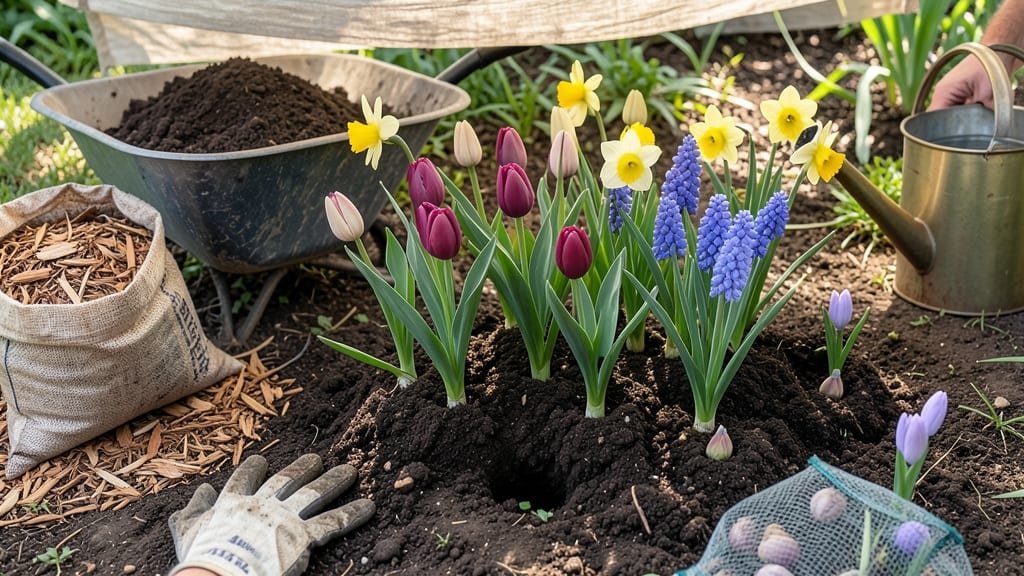
Planting bulbs in Houston at the wrong time means watching your hard work wilt before it even begins—especially with our unpredictable mix of heat, humidity, and rare frost. The key to vibrant, long-lasting blooms? Timing it right for your USDA Zone 9a climate, where spring-planted bulbs like tulips and daffodils need a head start before Houston’s January 15 average last frost.
Most gardeners assume fall is the only window, but Houston’s mild winters actually open a second chance in January–February for early spring blooms. I’ve tested both approaches, and the difference between stunted sprouts and showstopping 🌷 displays comes down to soil temperature, rainfall timing, and even your yard’s microclimate.
Let me break down the exact windows that work—and why skipping summer planting is a non-negotiable rule.
You’ll discover how to prep Houston’s heavy clay soil for better drainage, when to mulch for insulation, and which bulbs (like spider lilies) handle our heat better than tulips.
No more guessing games—just a foolproof schedule tailored to Houston’s quirks, so your garden bursts with color year after year without the stress.
Ready to transform your yard into a low-maintenance paradise? The secrets start with 6–8 weeks before frost—and I’ll show you exactly how to make it happen, step by step.
Houston’s ideal bulb planting calendar: month-by-month zero-frost guide
Houston’s humid subtropical climate (USDA Zone 8b-9a) creates a unique opportunity for year-round bulb gardening. Unlike northern climates, we don’t need to worry about frost damage—but timing still matters.
Plant bulbs at the wrong time, and you’ll face stunted growth, pests, or even bulb rot from Houston’s heat and humidity.
The key is understanding when to plant for optimal root establishment before summer’s brutal heat. Most bulbs thrive when planted in fall or early spring, but tropical varieties like cannas and rain lilies can be planted almost anytime. Let’s break down the perfect month-by-month planting schedule for Houston gardens.
📅 Fall Planting (September–November): This is the golden window for spring-blooming bulbs like tulips, daffodils, and hyacinths. Plant them 6–8 weeks before the first frost (though Houston rarely gets frost, aim for late October to ensure roots establish before summer).
🌱 Early Spring Planting (January–February): If you missed fall, January–February is your second chance. This works best for hardier bulbs like crocuses and alliums, which can tolerate Houston’s mild winters. Avoid planting in March or later, as summer heat will stress young bulbs.
☀️ Summer Planting (June–August): Houston’s summer heat (often 90°F+) makes this a risky time for most bulbs. However, tropical bulbs like cannas, caladiums, and rain lilies thrive when planted in late spring or early summer. These bulbs love heat and humidity—perfect for Houston’s climate!
❄️ Winter Planting (December): Limited options, but winter-blooming bulbs like paperwhites and amaryllis can be forced indoors in December for holiday cheer. For outdoor planting, stick to hardy varieties like snowdrops, which can handle Houston’s mild winters.
| Month | Best Bulbs to Plant | Planting Depth | Care Tips |
|---|---|---|---|
| September | Tulips, Daffodils, Hyacinths | 2x bulb height | Water weekly; mulch |
| October | Crocuses, Alliums, Snowdrops | 3x bulb height | Avoid overwatering |
| January | Paperwhites, Amaryllis | 1x bulb height (potted) | Bright light needed |
| June | Cannas, Caladiums, Rain Lilies | 2–3 inches deep | Shade cloth in peak sun |
Houston’s soil temperature plays a crucial role. Most bulbs need 60–65°F soil to sprout. In fall, this happens naturally as temperatures drop. In spring, wait until soil warms to 60°F+ (usually late January–early February) before planting.
For tropical bulbs, timing is flexible. Plant cannas and caladiums after the last frost (which Houston rarely has) or when nighttime temps stay above 55°F. These bulbs love Houston’s heat and will reward you with bold foliage and flowers all summer long.
Pro tip: Use a soil thermometer to check temperatures before planting. If soil is too hot (80°F+), wait a few weeks or plant in shaded areas to avoid stressing bulbs. 🌱
How to adjust planting times for Houston’s microclimates and soil conditions
Houston’s urban heat islands and clay-heavy soil can throw off even the best-laid bulb planting plans. If you’ve ever planted tulips in October only to watch them bolt in the heat, you know timing isn’t one-size-fits-all.
The key is adjusting for your yard’s specific conditions—whether it’s a south-facing patio that bakes in summer or a shady nook where bulbs stay too damp.
First, check your soil’s drainage rate. Houston’s clay holds moisture like a sponge, and bulbs rot if they’re waterlogged. Dig a hole, fill it with water, and time how long it takes to drain: more than 6 hours means amending with compost or sand.
For sandy soils, mulch heavily to retain moisture during our dry spells. These tweaks can shift your planting window by 2–4 weeks—critical for heat-sensitive varieties like daffodils.
Next, account for your yard’s microclimates. A west-facing bed may need bulbs planted 2 weeks earlier than a north side, where cooler temps delay sprouting. Use a soil thermometer (aim for 60–65°F for root growth) and adjust based on your zone’s last frost date.
In Houston, this typically lands in mid-December, but urban areas can frost 1–2 weeks earlier.
For tropical bulbs like cannas or rain lilies, timing shifts dramatically. These thrive when soil temps stay above 70°F, so plant them in April–May after the last frost risk.
Unlike cold-hardy bulbs, they don’t need dormancy—just consistent moisture. Pair them with mulch rings to keep roots cool in Houston’s oppressive summers.
Finally, mulching depth matters. Use 3–4 inches of organic mulch (like pine straw) to insulate bulbs from temperature swings. In fall, this delays planting by 1–2 weeks by keeping soil warm longer.
For spring-planted bulbs, remove mulch in late winter to let soil warm up faster—critical for varieties like hyacinths, which need 50–60°F soil to sprout.
Pro tip: Test your soil’s pH (aim for 6.0–7.0) and amend with lime or sulfur if needed. Houston’s alkaline soils can stunt bulb growth, and a simple $10 soil kit saves you from wasted bulbs.
With these adjustments, you’ll beat Houston’s climate curve and enjoy blooms that outlast the average gardener’s timeline.