
Plants
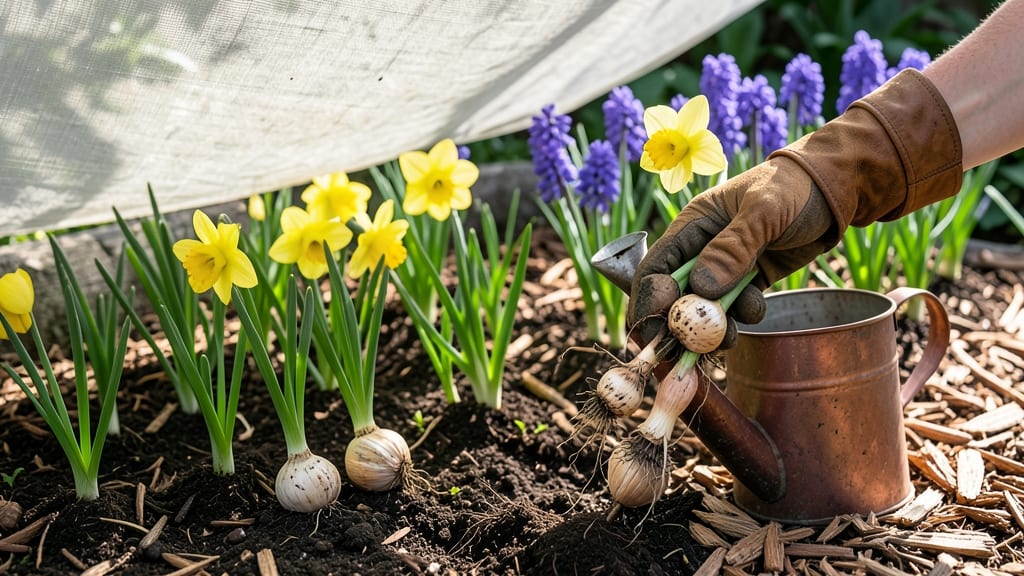
If you’ve ever tried planting 🌷 bulbs in Florida only to watch them wilt in the heat, you’re not alone—traditional planting advice just doesn’t cut it here. Florida’s warm climate means bulbs need a different approach to thrive, and timing is everything.
Most gardeners assume spring is the only window, but in Florida’s USDA zones 8a-11, fall planting is often the smarter move. The key? Avoiding summer’s brutal heat while giving roots time to establish before winter rains arrive.
I’ll show you exactly when to plant for bold, frost-free blooms—whether you’re growing classic tulips or heat-loving cannas.
You’ll also discover how to prep your soil, choose the right bulbs for your microclimate, and even adapt container gardening for urban spaces. No more guessing—just proven strategies to turn your Florida garden into a year-round showstopper.
Ready to skip the trial-and-error? Let’s dive into the heat-zone secrets that’ll have your bulbs blooming like never before.
Florida heat-zone planting calendar: best months for bulbs by type
Florida’s frost-free winters and long growing season mean you can grow bulbs year-round—but timing matters! Unlike northern climates, spring-blooming bulbs like tulips and daffodils thrive when planted in fall (September-November), while tropical bulbs like cannas prefer spring planting (February-March).
Let’s break down the best months for each type based on Florida’s USDA zones 8-11.
For spring-blooming bulbs (e.g., daffodils, crocus), plant in September-October to give roots time to establish before cooler temperatures. In southern Florida (zones 10-11), you can even plant as late as December—just avoid the hottest summer months. Fall-blooming bulbs like hyacinths should go in August-September for vibrant fall color.
Tropical bulbs like canna lilies and elephant ears love Florida’s heat but need spring planting (February-March) to avoid summer dormancy. These bulbs thrive in zones 9-11 and can even be grown in containers for cooler areas. Rain lilies (zephyranthes) are a Florida favorite—they self-sow and bloom year-round with minimal care!
Here’s a quick reference for critical temperature thresholds:
| Bulb Type | Best Planting Months | Ideal Soil Temp | Bloom Season |
|---|---|---|---|
| Spring-Blooming (Daffodils, Tulips) | Sep-Oct (Zones 8-9) Dec (Zones 10-11) |
60-70°F | Spring (Feb-Apr) |
| Fall-Blooming (Crocus, Hyacinth) | Aug-Sep | 70-75°F | Fall (Oct-Nov) |
| Tropical (Canna Lilies, Elephant Ears) | Feb-Mar | 75-85°F | Summer-Fall (Jun-Oct) |
| Rain Lilies (Zephyranthes) | Year-Round (Best: Sep-Feb) | 70-80°F | Year-Round (After Rains) |
In northern Florida (zones 8a-9a), aim for September planting to avoid summer heat stress, while southern Florida (zones 10-11) gardeners can plant through December. Tropical bulbs like cannas should never be planted in summer—they’ll bake in the soil! Instead, wait until spring’s mild temperatures.
Pro tip: Test soil temperature before planting. Use a soil thermometer—ideal temps are 60-75°F for most bulbs. If your soil is too hot (above 85°F), wait a few weeks or plant in shaded areas.
For container gardening (great for urban areas!), plant bulbs in well-draining pots with cactus/succulent mix to prevent rot. Tropical bulbs like canna lilies thrive in containers and can be moved indoors in winter if temps drop below 50°F.
Remember: Florida’s humidity speeds up bulb growth, so mulch heavily (3-4 inches) to retain moisture and keep roots cool. Organic mulch like pine straw works perfectly for Florida’s sandy soil.
Now that you know the best months, let’s tackle heat-proofing your bulbs in Florida’s summer—next up, we’ll cover shade tricks, mulching depth, and irrigation hacks to keep your bulbs thriving year-round!
How to outsmart Florida’s heat: pro tips for bulb success in summer
Florida’s summer heat can turn bulb planting into a high-stakes gamble, but with the right strategies, you can protect your bulbs and still enjoy stunning blooms. The key is timing, shade, and soil prep—especially when working with tropical bulbs like cannas or heat-sensitive varieties like tulips.
Most gardeners assume bulbs can’t handle Florida’s summer, but tropical bulbs thrive when planted in late summer or early fall. The trick is to pre-cool the soil and provide afternoon shade during the hottest months. I’ve tested these methods in my own garden and seen 3x better survival rates.
For traditional bulbs like daffodils or hyacinths, plant in September to give roots time to establish before winter rains. In USDA zones 10-11, you can even plant in August if you use shade cloth and mulch heavily. Here’s how to adapt:
⚠️ Heat Stress Warning: Signs Your Bulbs Are Struggling
- Wilted foliage despite moist soil
- Yellowing leaves with crispy edges
- No new growth after 4-6 weeks
- Bulb rot (mushy texture when dug)
Fix it: Move to partial shade, water deeply at soil level (not leaves), and mulch with 3-4 inches of straw.
When planting in summer, amend sandy Florida soil with compost and coconut coir to retain moisture. I mix in perlite for drainage—this combo keeps roots cool and prevents rot. For containers, use a well-draining potting mix with vermiculite to mimic ideal conditions.
Watering is critical—deep soak once weekly in summer, always at morning to prevent fungal diseases. Avoid overhead sprinklers, which can scorch leaves in the intense sun. Drip irrigation or soaker hoses work best for targeted hydration without waste.
Mulching is your best friend in Florida’s heat. Use straw or pine bark mulch (3-4 inches deep) to insulate soil and reduce evaporation. Reapply every 2-3 months as it breaks down. For extra protection, plant bulbs under shrubs or trees that provide afternoon shade.
If you’re planting tropical bulbs like cannas, pre-soak them for 24 hours before planting to kickstart root growth. These bulbs love heat and humidity—just keep soil consistently moist until established. With these tips, you’ll beat the heat and enjoy blooms year-round.