
Plants
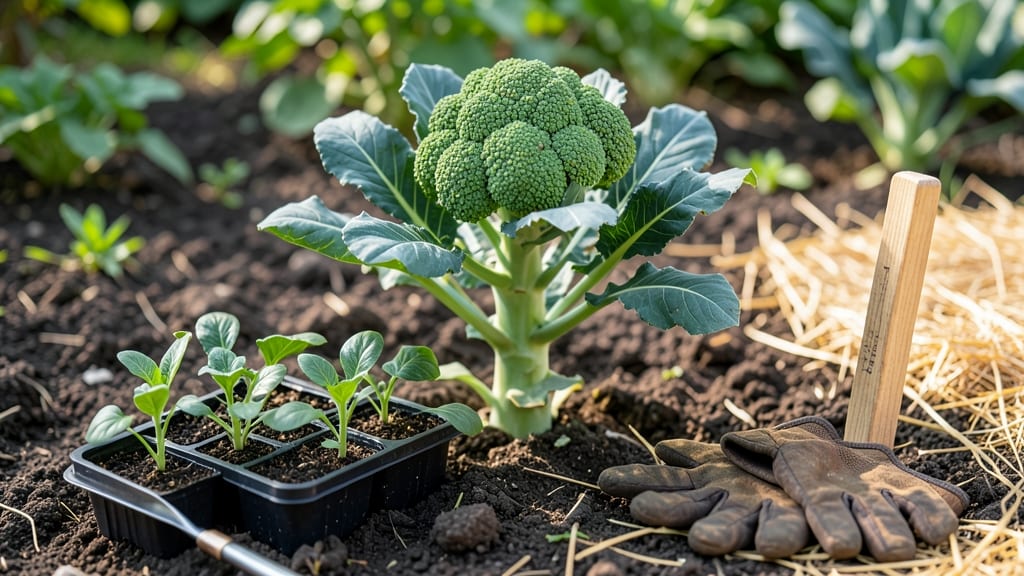
If you’ve ever planted 🥦 broccoli in Central Texas only to watch it bolt into bitter flowers before you could harvest, you’re not alone. The key to avoiding this common pitfall lies in understanding the perfect planting windows for your local climate—where timing can make or break your harvest.
Central Texas’s USDA Zone 8a brings unique challenges, with scorching summers that force broccoli to rush its life cycle. But by planting at the right time—late August to early September for fall or February to early March for spring—you can outsmart the heat and enjoy a bountiful harvest.
In this guide, I’ll walk you through the science behind Central Texas’s frost dates, soil prep, and spacing tips to keep your broccoli thriving. Whether you’re a seasoned gardener or a first-timer, these strategies will help you avoid bolting and maximize your yield.
Ready to transform your garden into a broccoli powerhouse? Let’s dive into the exact schedule and techniques that work in Central Texas’s tough conditions.
Broccoli planting schedule for Central Texas heat zones (avoid bolting!)
Central Texas gardeners face a unique challenge with broccoli—its delicate nature clashes with our 90°F+ summers. The key to success? Planting during cool-season windows when soil temperatures stay below 75°F. Miss this window, and you’ll trigger premature bolting (flowering) before you get a single head.
For USDA Zones 8a-9a, the sweet spot is late summer to early fall and early spring. These periods align with Central Texas’s 210 frost-free days, giving broccoli enough time to mature before summer heat strikes.
Let’s break down the exact timing and soil prep to maximize your harvest.
🌱
| Planting Window | Ideal Soil Temp (°F) | Last Frost Deadline | Harvest Window | Key Notes |
|---|---|---|---|---|
| Late August - Early September | 60-70°F | October 15 (first frost risk) | November - December | Best for fall harvest; avoid late plantings after September 15. |
| February - Early March | 55-65°F | March 15 (last frost risk) | April - May | Spring planting; use shade cloth if temps rise above 80°F. |
| October (Succession Planting) | 50-60°F | November 1 (light frost risk) | December - January | Extend harvest with cold-hardy varieties like ‘De Cicco’. |
Your fall planting (late August to early September) is the most reliable strategy. Start seeds indoors 4-6 weeks before your target transplant date, or sow directly into well-draining soil enriched with compost. Aim for soil temperatures between 60-70°F—any warmer, and you risk bolting.
For spring plantings, February to early March is critical.
Transplant seedlings after the average last frost date (January 10), but be ready to protect them with floating row covers if a late freeze hits. March 15 is your final deadline—plant after this, and summer heat will likely trigger bolting before harvest.
🌡️
Central Texas’s long, hot summers make succession planting a game-changer. Instead of one big planting, try two small batches: one in late August and another in early October. This spreads out your harvest and reduces the risk of losing everything to heat stress.
For example, a late August planting will yield in November, while an October planting can produce in December—just before holiday feasts!
Pro tip: Use a soil thermometer to monitor temperatures. Broccoli roots thrive at 60-70°F; anything above 75°F signals it’s time to adjust your planting strategy. If your soil is too warm, delay planting or opt for shade-tolerant varieties like ‘Waltham 29’, which handles heat slightly better than others.
✂️
Spacing is another bolt-prevention tactic. Crowded plants compete for nutrients and air circulation, stressing them into early flowering. Give each broccoli plant 18-24 inches of space in rows spaced 24-36 inches apart.
This also makes it easier to spot pests like cabbage worms early, giving you time to intervene before damage occurs.
Finally, don’t overlook mulching. Apply a 2-3 inch layer of straw or wood chips around plants to keep soil cool and retain moisture. In Central Texas’s dry, hot climate, mulch can mean the difference between a thriving crop and one that bolts prematurely.
Pair this with drip irrigation to deliver water directly to roots, avoiding the stress of overhead watering.
Broccoli planting schedule for Central Texas heat zones (avoid bolting!)
Central Texas gardeners face a unique challenge with broccoli—its heat sensitivity makes timing critical. The key is planting when soil temperatures stay below 75°F and avoiding the brutal summer months. For Zone 8a/8b, this means focusing on fall and early spring windows to prevent bolting.
Broccoli thrives in cooler weather, so your best planting windows are late August to early September for fall crops and February to early March for spring. These timings align with Central Texas’s frost-free periods and give plants enough time to mature before summer heat sets in.
| Planting Window | Ideal Soil Temp | Days to Harvest | Key Consideration |
|---|---|---|---|
| Late August - Early September | 60-70°F | 70-90 days | Fall harvest before frost |
| February - Early March | 55-65°F | 60-75 days | Avoid spring heat spikes |
| Mid-October (succession) | 60-68°F | 65-80 days | Extended fall harvest |
For fall planting, aim to harvest before December 15 (first frost date). Start seeds indoors 4-6 weeks before transplanting or sow directly in well-draining soil enriched with compost. Space plants 18-24 inches apart to prevent overcrowding, which stresses plants and triggers bolting.
Spring planting requires extra caution—heat stress after March can cause bolting. Choose heat-tolerant varieties like ‘Waltham 29’ or ‘Packman’ and provide afternoon shade if temperatures exceed 80°F. Mulch with straw to keep roots cool and retain moisture.
Remember: Soil temperature matters more than air temperature. Use a soil thermometer to confirm conditions before planting. Ideal soil temps for germination are 55-75°F, but avoid planting when temps exceed 80°F for more than a few hours daily.
Pro tip: Plant broccoli near companion plants like bush beans or dill to deter pests and improve growth. These pairings create a microclimate that helps maintain cooler root zones, reducing bolting risks in Central Texas’s unpredictable climate.