
Plants
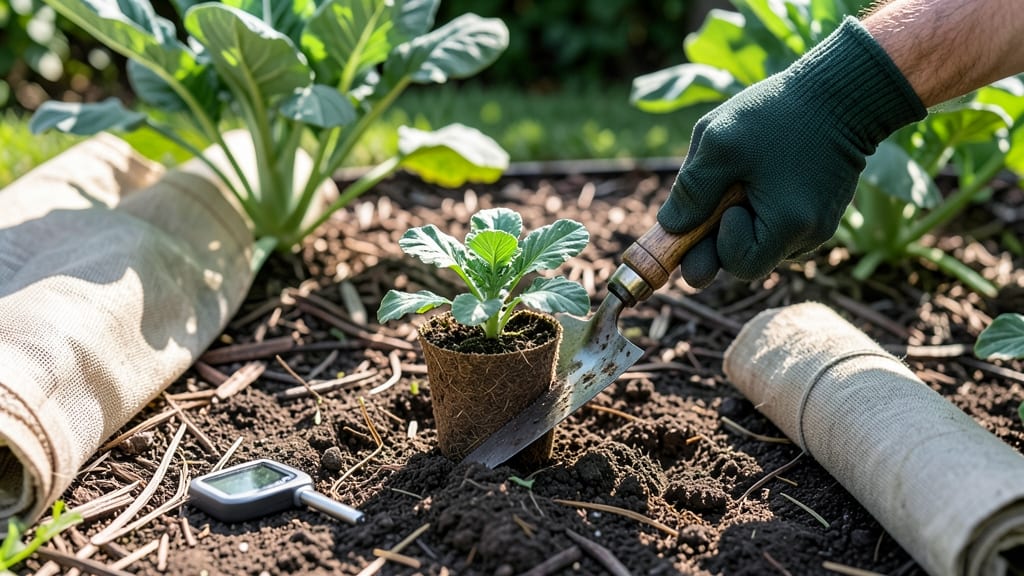
Timing your broccoli 🥦 planting in Arizona isn’t just about following a calendar—it’s about outsmarting the desert’s extreme heat and unpredictable frost pockets. Skip the wrong window, and you’ll end up with bitter, bolted plants instead of the tender crowns you crave.
The key? Planting in fall or early spring when temperatures hover between 60-75°F, giving your broccoli the cool conditions it thrives in.
Most gardeners in USDA Zone 9b swear by October-November for their fall crop, but high-desert areas like Flagstaff have different rules than Phoenix. I’ll break down exactly when to start seeds indoors versus direct-sowing outdoors, so you can avoid the 3 common mistakes that turn Arizona gardens into broccoli graveyards.
Ready to grow like a local?
What if you’re eager to harvest by April? Spring planting works too—but only if you time it right. We’ll cover how to stretch your growing season with shade tricks and heat-resistant varieties that won’t turn into wood.
No more guessing games: just zero-bolt harvests and heads so flavorful, your neighbors will ask for cuttings.
Whether you’re a first-timer or a seasoned gardener, these heat-zone hacks will transform your broccoli from a gamble into a guaranteed success. Let’s get those seeds in the ground the smart way—before the next heatwave hits.
Best planting times for broccoli in Arizona’s climate zones
Arizona’s diverse microclimates mean your broccoli planting window depends on whether you're in the Low Desert (Phoenix, Tucson), High Desert (Flagstaff, Prescott), or Mountain Regions (Sedona, Jerome).
In these zones, fall and winter are your golden opportunities—summer heat will send your broccoli bolting faster than a rabbit in a garden gate. Let’s break down the perfect timing for each region to ensure tender, flavorful harvests instead of bitter disappointment.
In the Low Desert (Zones 9b-11), where temperatures rarely dip below freezing, your ideal planting window stretches from mid-September to November. This timing lets seedlings establish roots before winter’s mild chill sets in.
For a spring crop, aim for late January to early March, but be prepared to provide afternoon shade as temperatures climb.
In contrast, the High Desert (Zones 6b-8a) has cooler nights and occasional frost, so you can start as early as mid-August for a fall harvest and again in March for spring.
Mountain regions like Sedona and Jerome (Zones 6a-7a) offer the longest growing season, with two full harvest windows: late July to September for fall and April to June for spring. These areas can even handle direct sowing in early spring without bolting, thanks to cooler temperatures.
However, always check your last frost date—even high deserts can surprise you with a 28°F dip in winter.
🌱 Broccoli Planting Timeline by Arizona Zone
| Zone | Fall Planting Window | Spring Planting Window | Harvest Timeframe | Key Tip |
|---|---|---|---|---|
| Low Desert (Phoenix/Tucson) | Mid-Sept - Nov | Late Jan - Early Mar | Dec - Apr (fall) / Apr - June (spring) | Use shade cloth in spring |
| High Desert (Flagstaff/Prescott) | Mid-Aug - Sept | March - Early Apr | Oct - Dec (fall) / May - July (spring) | Protect from late frosts |
| Mountain Regions (Sedona/Jerome) | Late July - Sept | April - Early May | Sept - Nov (fall) / June - Aug (spring) | Longest growing season |
For direct sowing, Arizona gardeners often prefer fall planting because seedlings have time to mature before summer’s heat arrives. However, if you’re starting indoors, begin 6-8 weeks before your target outdoor date—this gives transplants a head start in cooler conditions.
Use seed-starting trays with a grow light to mimic natural daylight, and harden off seedlings for 7-10 days before transplanting.
One critical mistake I see often is planting broccoli too early in spring. By April, daytime temperatures in the Low Desert can already exceed 90°F, causing bolting within 3-4 weeks. To avoid this, always monitor your soil temperature—broccoli thrives when soils stay between 60-75°F.
Use a soil thermometer to check before planting; if it’s above 75°F, wait or provide afternoon shade.
In high-altitude areas, like Flagstaff, you can push the envelope by planting early spring crops in cold frames or under row covers. These protective measures add 5-10°F of warmth, extending your growing season by 3-4 weeks. Just
If you’re succession planting for continuous harvests, stagger your fall sowings every 2-3 weeks from September to November. This ensures you’ll have broccoli ready to pick every 2-3 weeks through winter and into early spring. For spring plantings, repeat the process in February and March, but be ready to provide shade as temperatures rise. With this strategy, you’ll enjoy fresh broccoli for months instead of a single, disappointing harvest.
Best planting times for broccoli in Arizona’s climate zones
Arizona’s diverse climate zones—from the scorching Low Desert to the cooler High Desert and chilly Mountain Regions—create unique windows for planting broccoli. Unlike temperate climates, Arizona’s fall and winter seasons are your best bets to avoid the bitter bolting that happens when broccoli roasts in summer heat.
Let’s break down the perfect timing for each zone to maximize your harvest.
In the Low Desert (Phoenix, Tucson), where temperatures rarely drop below 50°F, plant broccoli seeds 8-10 weeks before the first frost—typically in late September to early November.
For the High Desert (Flagstaff, Prescott), where frosts are more common, aim for mid-August to early October for a fall crop, or February to March for a spring harvest.
Mountain regions like Sedona or the White Mountains can even squeeze in a summer crop if you use shade cloth and extra water.
Pro Tip: Always check your local USDA Zone 9b frost dates, as microclimates can shift planting windows by 2-4 weeks. For example, Yuma’s desert climate allows for year-round broccoli with shade, while Flagstaff’s shorter growing season demands earlier starts.
| Climate Zone | Ideal Planting Window | Harvest Time | Key Tips |
|---|---|---|---|
| Low Desert (Phoenix/Tucson) | Late Sept–Early Nov (fall) or Feb–March (spring) | Dec–April (fall) or April–June (spring) | Use shade cloth in summer; mulch heavily. |
| High Desert (Flagstaff/Prescott) | Mid-Aug–Early Oct (fall) or Feb–March (spring) | Oct–Dec (fall) or May–July (spring) | Frost-tolerant varieties like ‘Waltham 29’ work best. |
| Mountain Regions (Sedona/White Mtns) | July–Aug (summer) or Sept–Oct (fall) | Sept–Nov (summer) or Nov–Jan (fall) | Cool nights extend growing season; use row covers. |
If you’re starting seeds indoors, begin 6-8 weeks before your target outdoor planting date. For example, Phoenix gardeners should sow seeds indoors in early August for a fall transplant, while Flagstaff growers can start seeds in late June for an August outdoor move.
Seedlings need cool soil (50-70°F) to thrive, so avoid planting in soil warmer than 80°F—it’ll shock the roots.
For direct sowing, wait until soil temperatures drop below 75°F at night. Test this with a soil thermometer—broccoli roots won’t develop properly in hot soil. In the Low Desert, this usually means waiting until October, while High Desert gardeners can start in September.
Always space seeds 18-24 inches apart to prevent disease and give heads room to grow.
Remember: Arizona’s unpredictability means flexibility is key. If an early frost threatens, use row covers or move pots indoors. With the right timing, you’ll go from seed to harvest in just 60-80 days—and enjoy broccoli that’s sweet, tender, and bolt-free.