
Companion Plants
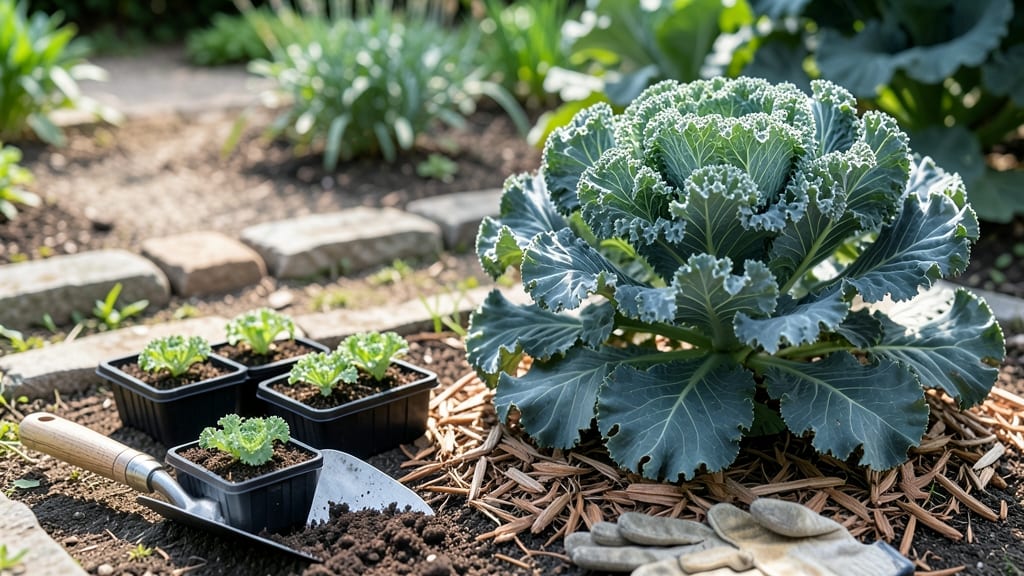
Timing is everything when it comes to growing brassicas 🥬 in Pennsylvania—plant too early, and you risk bolting; too late, and your harvest shrinks.
The key to a thriving garden lies in understanding when to plant brassicas in PA, where frost dates can shift dramatically from one region to another.
Most gardeners in zones 5b-7a know spring and fall are the prime windows, but the exact dates matter. In my experience, starting seeds indoors by March 15 gives you a head start, while direct sowing in the garden should begin by April 15—just before the last frost.
Fall planting? Aim for August 1 to ensure mature crops before winter sets in.
What I’ve learned from years of trial and error is that Pennsylvania’s microclimates demand flexibility. The Southwest might have warmer springs, while the Northeast plays it safer with later starts. The difference between a bountiful harvest and a bitter disappointment often comes down to these regional adjustments.
Ready to avoid the common pitfalls? I’ll walk you through the exact planting schedule, soil prep tricks, and variety choices that work best for PA’s unpredictable weather. Let’s get those brassicas thriving—without the stress.
PA brassica planting calendar: frost dates by region
Pennsylvania’s diverse climate—from the Poconos’ cooler highlands to the Piedmont’s warmer valleys—means brassicas thrive in different windows. The key is aligning your planting with USDA zones 5b-7a and local frost dates.
In most of PA, the last frost date falls around April 15, but mountainous areas can delay this by 2-3 weeks.
For spring planting, start seeds indoors 4-6 weeks before your last frost date. In Zone 6 (central PA), this means mid-March for early varieties. Transplant seedlings outdoors 2-3 weeks before the last frost, ideally when soil temps hit 45°F consistently.
In Zone 5 (northeast PA), wait until late April to avoid frost damage.
Fall planting is equally critical. Brassicas like kale and cabbage actually sweeten with frost, but they need time to mature. Aim to plant 8-10 weeks before your first frost (typically mid-October).
In Zone 7 (southwest PA), this translates to early August for late varieties like Winterbor kale.
Here’s how PA’s regions break down for direct seeding vs. transplanting:
| Region | USDA Zone | Spring Planting Window | Fall Planting Window | Key Varieties |
|---|---|---|---|---|
| Northeast (Erie, Scranton) | 5b-6a | Indoors: March 1-15 Outdoors: April 20-May 10 |
Indoors: July 15-August 1 Outdoors: August 15-Sept 15 |
Early Jewel broccoli, Winterbor kale, Golden Acre cabbage |
| Central (Harrisburg, State College) | 6a-6b | Indoors: March 15-April 1 Outdoors: April 1-May 15 |
Indoors: July 1-August 10 Outdoors: August 1-Sept 20 |
De Cicco broccoli, Red Russian kale, Savoy cabbage |
| Southwest (Pittsburgh, Johnstown) | 6b-7a | Indoors: March 20-April 10 Outdoors: April 10-May 20 |
Indoors: July 15-August 15 Outdoors: August 10-October 1 |
Calabrese broccoli, Lacinato kale, Greenbow cabbage |
Pro tip: Use Penn State Extension’s frost date maps (linked in resources) to fine-tune your schedule. For example, Pittsburgh’s Zone 7a can handle late-summer brassicas like tornado broccoli until September 30, while State College’s Zone 6b should wrap up by September 15.
For direct seeding (like radish companions), wait until soil temps are 50°F+ and all frost risk has passed. In PA, this is usually late April to early May in most zones.
Direct-sown brassicas grow faster in cooler weather, so spring is ideal—just avoid July-August heat, which causes bolting.
In high-elevation areas (e.g., Pocono Mountains), extend your fall planting by 2 weeks. The cooler temps delay bolting, so you can push kale and Brussels sprouts until September 20 in Zone 5b. Use row covers to protect young plants from late-spring frosts, which are common in these regions.
Remember: Brassicas hate heat. If your June temps hit 80°F+, they’ll bolt within weeks. That’s why fall planting is your best bet for summer gardeners. Start with heat-tolerant varieties like Tendergreen broccoli if you must plant in late spring.
🌱
How to avoid bolting in brassicas: temperature tricks for PA gardeners
Bolting is the nightmare of every brassica grower in Pennsylvania—those bitter, seed-stalk-filled plants ruin harvests faster than a sudden frost. The good news? Temperature control is your secret weapon. Brassicas like broccoli and kale bolt when soil temps hit 80°F+, but PA’s heat spikes can sneak up fast.
I’ve learned that shade cloth and variety selection make all the difference.
First, check your soil temperature with a soil thermometer. If it’s creeping toward 75°F, it’s time to act. For direct-sown brassicas, use 30-50% shade cloth to keep soil temps 70°F or below.
I’ve had great success with Agribon fabric in my raised beds—it’s lightweight and lets enough light through for growth while blocking heat.
Another trick? Succession planting in short bursts. Instead of sowing all your seeds at once, stagger them every 2 weeks from April to June. This ensures a steady supply of young plants that won’t overheat.
For example, I plant broccoli in early April, then again in late May, and finally in early July for a fall crop.
🌱 Variety choice is just as critical. Heat-tolerant varieties like ‘De Cicco’ broccoli or ‘Winterbor’ kale handle PA’s summers better than standard types. I’ve grown ‘Waltham 29’ cabbage for years—it’s slow to bolt and thrives in cooler temps, making it ideal for our USDA zones 5b-7a.
Here’s a pro tip: Mulch heavily with straw or grass clippings to keep soil cool. I use a 3-inch layer around my brassicas, which can drop soil temps by 10°F+. Pair this with drip irrigation to avoid wetting leaves—fungus loves hot, damp foliage.
Finally, watch your transplant timing. If you’re buying starts, avoid those sold in late June or July—they’re often stressed from heat. Instead, grow your own from seed or buy from local nurseries in May or early June when temps are still moderate.
💡 Key takeaway: Bolting isn’t inevitable in PA. Combine shade cloth, succession planting, heat-tolerant varieties, and cool soil tricks to keep your brassicas happy—and your harvests sweet.