
Plants
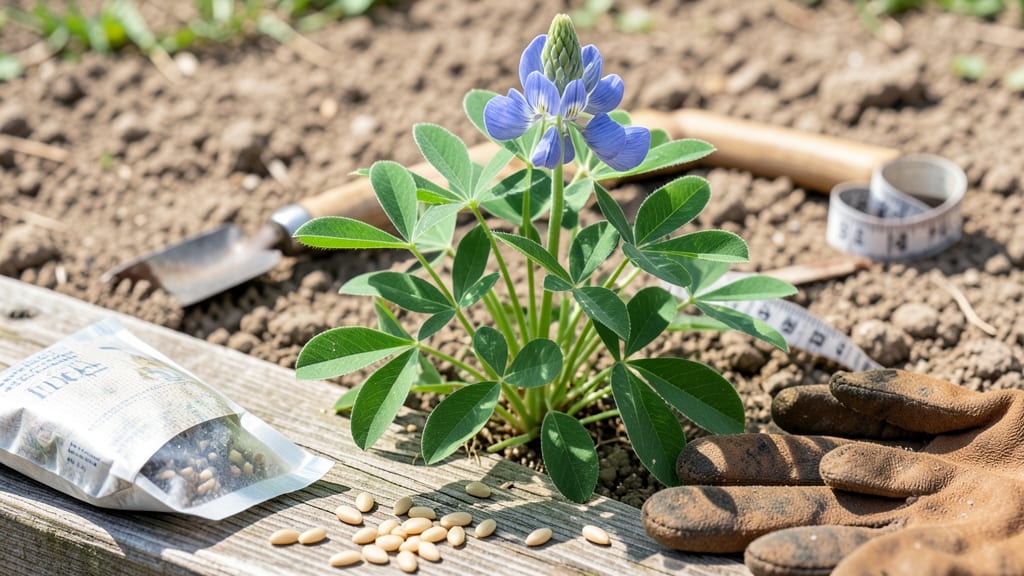
If you’ve ever dreamed of waking up to a breathtaking carpet of 💜 bluebonnets in your Central Texas yard, when to plant bluebonnet seeds in central Texas is the secret weapon you can’t afford to ignore.
Planting these iconic wildflowers too early risks frost damage, while waiting too late might leave you staring at empty soil by spring. The exact window for success—backed by Texas A&M AgriLife research—starts as early as late September and stretches into November, but there’s more to it than just dates.
Central Texas’s 8a climate throws a few curveballs, like microclimates where Austin’s hills stay cooler than San Antonio’s plains. That’s why knowing your last frost date (usually around mid-January) and adjusting for soil temperatures between 50-60°F makes all the difference.
Skip this step, and you might end up with patchy blooms—or worse, no blooms at all.
I’ve spent years perfecting my own bluebonnet patches, and what I’m about to share isn’t just theory—it’s field-tested advice for gardeners who want that showstopping spring display. From scarifying seeds to spacing them just right, we’ll cover the critical details that turn good intentions into a vibrant reality.
Let’s get those seeds in the ground the right way.
Ready to transform your landscape into a bluebonnet paradise? The clock is ticking—literally. Whether you’re a first-time planter or a seasoned pro, these insights will help you avoid the most common mistakes and set your garden up for success. Let’s dive in.
Best weeks before last frost to plant bluebonnet seeds in Central Texas
Timing your bluebonnet seeds is critical for success in Central Texas. The ideal window is 6-8 weeks before your average last frost date, which typically falls between mid-January and mid-February in most areas like Austin, Waco, and San Antonio.
For example, if your last frost is January 15th, aim to plant between late November and early December.
Bluebonnets thrive when soil temperatures drop to 50-60°F—cooler than spring planting conditions. This cold stratification mimics their natural growth cycle in Central Texas’s winter rains.
Planting too early (before September) risks premature germination or seedling damage from summer heat, while waiting too late (after December) may delay spring blooms.
| Region | Last Frost Avg. | Planting Window | Soil Temp Goal |
|---|---|---|---|
| Austin | Jan 15 | Late Oct - Nov 15 | 50-60°F |
| Waco | Jan 10 | Late Oct - Dec 1 | 50-60°F |
| San Antonio | Jan 20 | Late Sep - Nov 10 | 50-60°F |
To verify your local last frost date, check the Texas A&M AgriLife Extension or use the National Weather Service climate database. For example, Hill Country areas often have slightly earlier frosts than urban centers like San Antonio.
Adjust your planting by 1-2 weeks earlier if you're in higher elevations (e.g., Fredericksburg).
Microclimates matter! South-facing slopes warm up faster and may support earlier planting, while north-facing areas or low spots can delay germination. Test your soil with a thermometer to confirm it’s below 60°F before planting. If temperatures creep above 70°F, delay until cooler nights return.
Pro tip: Scatter seeds directly on prepared soil without covering—they need light to germinate. Lightly rake the surface to ensure seed-to-soil contact but avoid burying them deeper than 1/4 inch. This mimics natural conditions where seeds sprout after winter rains rather than spring showers.
Bluebonnets are drought-tolerant perennials, but establishing them in fall gives roots time to develop before Central Texas’s hot, dry summers.
If you miss the fall window, you can plant in early spring (March), but expect fewer blooms that first year as plants focus on root growth rather than flowering.
Watch for false starts: seeds may sprout in fall only to die in a hard freeze. To prevent this, use lightweight mulch (like straw) to insulate young seedlings. Remove mulch in early spring once temperatures stabilize above 50°F to encourage blooming.
Remember: patience is key. Bluebonnets often take 2-3 years to reach their full vibrant blue potential, but the wait is worth it for Central Texas’s iconic spring displays.
Plan ahead by marking your calendar for late October to November—this is your best shot at a sea of blue next spring!
💜
Best weeks before last frost to plant bluebonnet seeds in Central Texas
Timing your bluebonnet seeds correctly is the secret to those vibrant blue blooms that define Central Texas landscapes. The ideal window is 6-8 weeks before your average last frost date, which typically falls around January 15 in most of the region.
For Austin, Waco, and San Antonio, this translates to planting between late September and November.
Bluebonnets thrive when soil temperatures hover between 50-60°F, signaling the perfect balance for germination. Planting too early risks frost damage to tender seedlings, while late planting may delay blooms until late spring.
Always verify your local last frost date using the Texas A&M AgriLife Extension or National Weather Service for precision.
| Region | Last Frost Date | Planting Window | Soil Temp |
|---|---|---|---|
| Austin | Jan 15 | Late Sept - Nov | 50-60°F |
| Waco | Jan 10 | Mid-Sept - Nov | 50-60°F |
| San Antonio | Jan 20 | Late Sept - Mid-Nov | 50-60°F |
⚠️ Note: Adjust for microclimates—higher elevations may need earlier planting.
Central Texas’s USDA Zone 8a climate means bluebonnets naturally dormant in winter, so fall planting ensures they establish roots before cold weather. If you miss the fall window, you can try spring planting in February, but expect fewer blooms that season.
Always choose native bluebonnet seeds (like Lupinus texensis) for best adaptation.
For urban gardeners in cities like Austin, consider container planting if your yard has heavy clay soil. Bluebonnets prefer well-draining conditions, and containers help prevent waterlogging. Just ensure pots have drainage holes and use a lightweight potting mix with added perlite.
Pro tip: Mark your planting calendar with these key dates—October 15 is the sweet spot for most of Central Texas. This timing gives seeds time to germinate before winter rains arrive, reducing erosion risks. Always test soil moisture before watering to avoid over-saturation.
Watch for early spring sprouts as your reward—those first blue-green shoots in March signal successful planting. With the right timing, you’ll enjoy vibrant bluebonnets from March through May, turning your landscape into a postcard-perfect Texas scene. 💜