
Plants
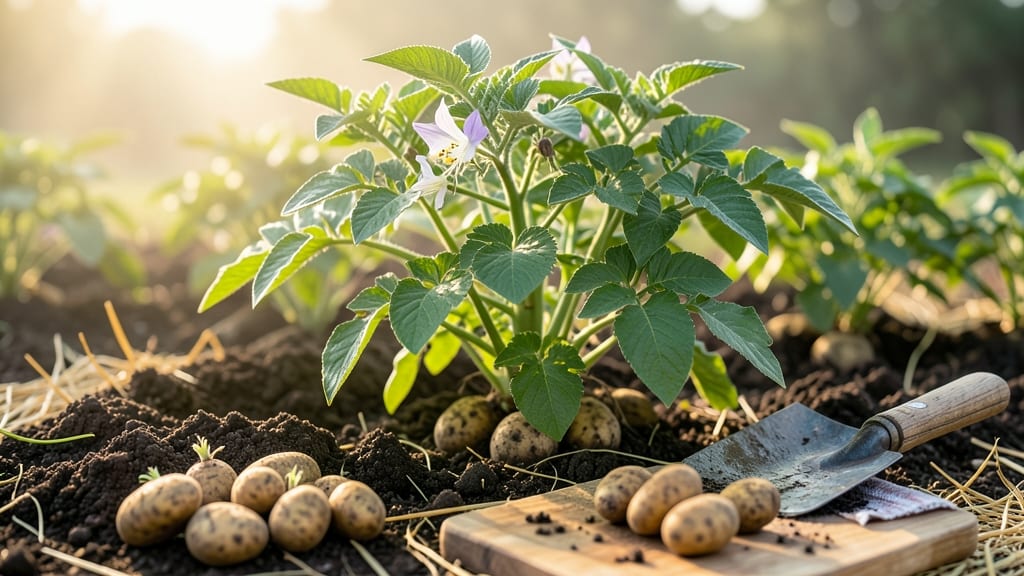
Planting potatoes in Zone 6 at the wrong time can turn your fast harvest dreams into a soggy mess—too early, and frost zaps your tubers; too late, and you’re left scrambling for space in crowded gardens.
The secret lies in those 2-4 weeks before last frost, a window that balances soil warmth and growing season length.
I’ve learned the hard way that rushing or delaying planting can mean the difference between a bountiful harvest and a patchy yield. Zone 6’s unpredictable springs demand precision, especially when you’re eyeing those 70-120-day varieties that need every day of warmth to mature.
Let’s break down the exact timing, soil prep, and variety tricks to ensure your 🥔 plants thrive from seed to spud.
Whether you’re a first-timer or a seasoned gardener, nailing the planting schedule is the foundation of success. We’ll cover how to adjust for late frosts, the best cold-hardy varieties for early starts, and even how to extend your growing season if Mother Nature throws a curveball. Ready to dig in?
By the end, you’ll know not just when to plant, but why those weeks matter—and how to tweak your approach for the most reliable harvest in Zone 6. No more guesswork, just fast, healthy potatoes waiting for your fork.
Exact weeks before last frost to plant potatoes in Zone 6 for optimal growth
In Zone 6, potatoes thrive when planted 2-4 weeks before your last frost date. This window—typically mid-March to early April—gives tubers time to sprout before soil warms.
For example, if your last frost is April 15, aim for planting between March 25 and April 5 for early varieties.
Potatoes need 40-50°F soil temperatures to sprout, but roots grow best in 55-65°F. Waiting until soil reaches 50°F (usually 2-3 weeks after last frost) prevents rot while ensuring steady growth. Use a soil thermometer to confirm readiness—this is my non-negotiable step!
Your last frost date varies by Zone 6 subregion. Check local USDA Zone 6a/6b maps: 6a (colder) may need 2-3 weeks earlier than 6b. For instance, Chicago (6a) plants by March 15, while Raleigh (6b) waits until April 1.
Early varieties like Yukon Gold (70-day harvest) can tolerate cooler soils, while late varieties (Kennebec, 120 days) need warmer conditions. Plant early potatoes 2-3 weeks before the standard window and late potatoes 1-2 weeks after for staggered harvests.
🌱 Zone 6 Potato Planting Timeline
| Planting Window | Soil Temp | Variety Fit | Action |
|---|---|---|---|
| 2-4 weeks before last frost | 40-50°F (4-7°C) | Early (70-90 days) | Plant seed potatoes 4" deep |
| 1-2 weeks after last frost | 55-65°F (13-18°C) | Mid/late (90-120 days) | Add compost; mulch |
| Late April (Zone 6b only) | 60°F+ (16°C+) | Heat-loving (e.g., Sweet Potatoes) | Use black plastic mulch |
For Zone 6 gardeners, I recommend planting early potatoes in containers if your soil stays cold. Containers warm faster and let you start 2 weeks earlier than in-ground planting. Fill them with well-draining mix (60% compost, 40% potting soil) to prevent rot.
If your spring is unpredictable, use row covers to protect young plants from late frosts. These lightweight fabrics raise soil temps by 5-8°F and can extend your planting window by 10-14 days. Remove covers when plants reach 6 inches tall to avoid overheating.
Pro tip: Plant a few potatoes 2 weeks early as a "test batch." If they sprout but turn black, your soil is too cold—wait another week. If they thrive, you’ve found your Zone 6 sweet spot for early planting.
Remember, potatoes need 70-120 days to mature. Planting too late risks small harvests before frost, while planting too early may lead to bolting (flowering) if days lengthen prematurely. Balance is key!
For Zone 6’s shorter growing season, prioritize early-maturing varieties (e.g., Red Norland) if you’re unsure about timing. These yield 2-3 weeks faster than standard potatoes, giving you a harvest even with late starts.
Exact weeks before last frost to plant potatoes in Zone 6 for optimal growth
In Zone 6, the ideal planting window for potatoes is 2-4 weeks before your last frost date, typically landing in early to mid-April. This timing ensures your seed potatoes sprout when soil temperatures hit 45°F (7°C), the minimum for germination.
For most of Zone 6, this means planting between March 15 and April 15, but your exact date depends on your local microclimate.
To pinpoint your last frost date, check your USDA Zone 6a or 6b frost maps—these show average frost dates, but I always add a 2-week buffer for safety. For example, if your last frost is April 15, aim to plant by April 1.
This window also accounts for early varieties (70-day harvest) vs. late varieties (120-day harvest), ensuring all types have enough growing time.
Zone 6’s unpredictable springs can throw off even the best-laid plans. If your soil stays cold past April 15, don’t panic—just wait until the ground reaches 50°F (10°C) at least 1 inch deep.
Use a soil thermometer to check; I’ve seen gardens in northern Zone 6 wait until early May for safe planting. For southern Zone 6, you might even squeeze in a second planting in late May for a fall harvest.
Pro tip: Plant early varieties like Red Norland first—they tolerate cooler soils and give you a jumpstart. If you’re unsure about your last frost date, err on the side of planting earlier.
Potatoes can handle light frosts (down to 28°F (-2°C)), but soggy, cold soil will delay sprouting. Always choose a well-draining spot to avoid waterlogged tubers, which turn mushy and rot.
Remember, the 4-inch-deep planting depth isn’t just about hiding the seed potatoes—it’s about insulating them from temperature swings. In Zone 6, where nights can still dip into the 30s°F (1-4°C) even in April, this extra depth protects tender sprouts.
Pair this with a 3-foot row spacing to give plants room to sprawl, and you’re set for a high-yielding crop.
For a foolproof approach, mark your last frost date on your calendar and count backward. If you’re in Zone 6a (colder), lean toward the earlier end of the window; if you’re in Zone 6b (warmer), you’ve got a little more wiggle room.
Either way, your potatoes will thank you with plump, disease-resistant tubers ready for harvest by summer’s end. 🌱